

Operation Process and Working Principle of Aluminum Dross Powder Pneumatic Conveying Equipment
HeadPowder, a leading manufacturer based in Shandong, China, specializes in the design and production of advanced pneumatic conveying systems tailored for handling aluminum dross powder. As a company dedicated to providing high-quality solutions for industrial material handling, HeadPowder's aluminum dross powder pneumatic conveying equipment is engineered to meet the demanding requirements of aluminum processing facilities. The following sections will detail the operational process and working principles of such equipment, highlighting the efficiency and reliability that define HeadPowder's products.
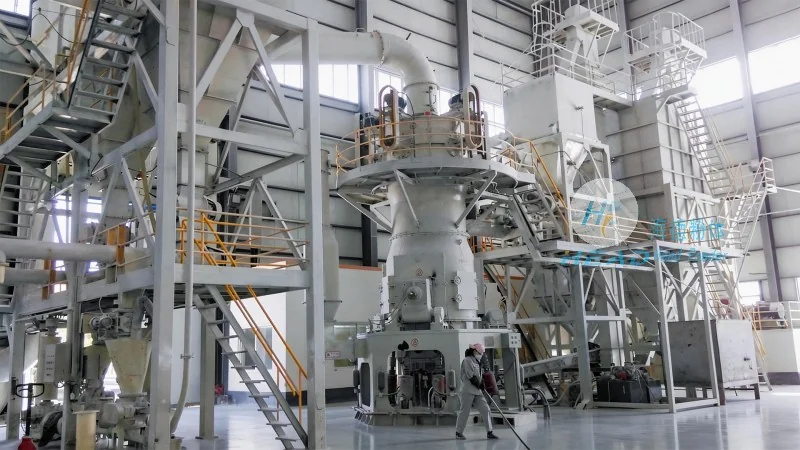
Key Components of the Pneumatic Conveying System
The aluminum dross powder pneumatic conveying equipment typically consists of several core components that work in synergy to achieve efficient material transport. These components include a hopper for material storage, a rotary valve or feeder to control the flow of aluminum dross, a conveying line (usually made of stainless steel to resist corrosion from the dross), a pressure vessel or receiver to collect the conveyed material, and a dust collector or filter to ensure air quality compliance. Each component plays a vital role in maintaining the system's efficiency and safety.
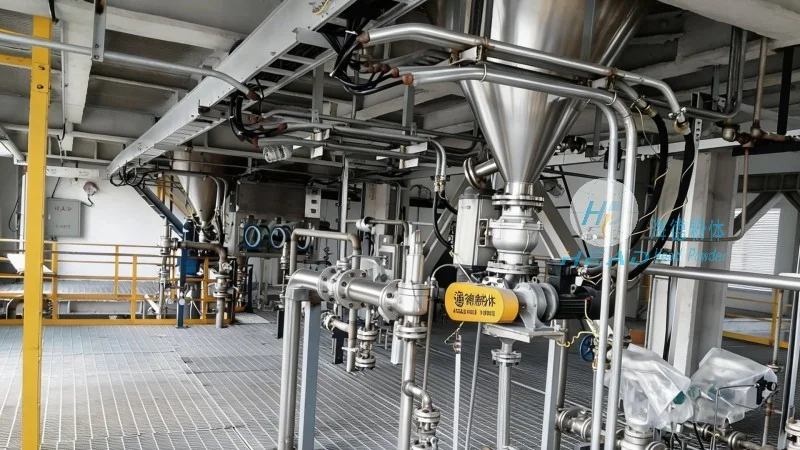
Operation Process of the Pneumatic Conveying Equipment
The operation of the aluminum dross powder pneumatic conveying equipment follows a systematic process. Initially, aluminum dross is fed into the hopper from the source, such as a storage silo or a processing unit. The rotary valve or feeder then regulates the flow of the dross into the conveying line, ensuring a consistent and controlled feed rate. Simultaneously, a high-pressure air source, often a blower or a compressor, generates the necessary airflow to move the material through the system. The air and dross mixture travels through the conveying line, with the pressure vessel or receiver at the end of the line collecting the dross while allowing the air to be filtered and recycled or released. This continuous cycle ensures the efficient transport of aluminum dross from the initial point to the destination point, such as a storage area or a processing unit for further treatment.
Working Principle of the Pneumatic Conveying System
The working principle of the aluminum dross powder pneumatic conveying equipment is based on the fundamental concept of pneumatic transport, where material is conveyed using a gas (air) as the conveying medium. The system operates under positive pressure, meaning the air pressure inside the conveying line is higher than the ambient air pressure. This pressure differential creates a force that propels the aluminum dross particles through the line. The key to efficient operation lies in maintaining the correct air-to-material ratio, which ensures that the dross particles are adequately suspended and transported without causing blockages or excessive wear on the system components. The stainless steel construction of the conveying line is particularly important as it resists corrosion from the acidic and abrasive nature of aluminum dross, ensuring long-term durability and reliability.
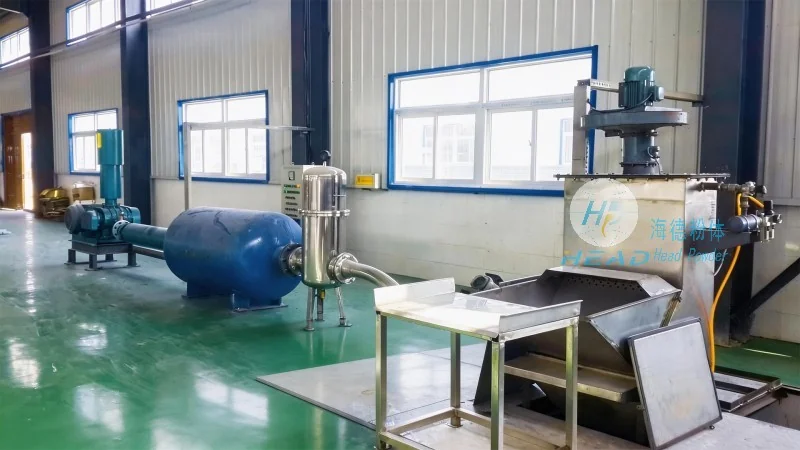
Advantages of Using Pneumatic Conveying for Aluminum Dross
Employing pneumatic conveying systems for aluminum dross offers several advantages over traditional methods like belt conveyors or bucket elevators. Firstly, it provides a closed system, which minimizes dust emissions and improves workplace safety by containing the material within the system. Secondly, it allows for flexible and space-saving installation, as the conveying line can be routed horizontally, vertically, or at various angles to suit the layout of the industrial facility. Thirdly, the system can handle varying flow rates and material characteristics, making it adaptable to different production needs. Additionally, the stainless steel construction ensures that the equipment can withstand the harsh conditions associated with aluminum dross, reducing maintenance costs and extending the equipment's service life.