

The Operation Process and Working Principle of Cement Fly Ash and Mineral Powder Pneumatic Conveying
Cement fly ash and mineral powder are vital components in the construction and cement industries, and their efficient transportation is essential for maintaining production efficiency and product quality. Pneumatic conveying systems offer a reliable and effective method for handling these fine materials, ensuring safe and controlled movement from storage to processing units. This article delves into the operation process and working principle of such systems, with a focus on the expertise of Shandong HeadPowder Engineering Co., Ltd.
Introduction to Pneumatic Conveying Systems for Cement Fly Ash and Mineral Powder
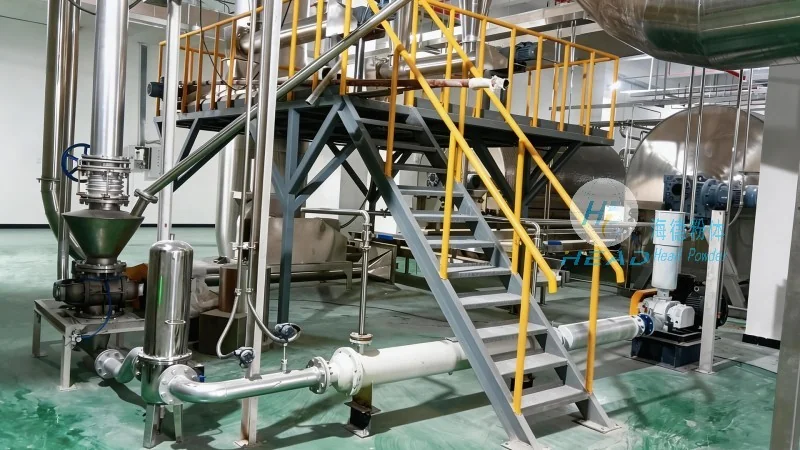
Pneumatic conveying systems utilize air to transport bulk materials like cement fly ash and mineral powders. These systems are widely adopted in industrial settings due to their ability to handle dusty, fine materials without the need for mechanical components that might cause wear or contamination. The core of a pneumatic conveying system consists of several key components, including a storage hopper, feeder, air compressor, pipeline, receiver, and control panel, all working in coordination to ensure smooth material flow.
About Shandong HeadPowder Engineering Co., Ltd.
HeadPowder, a prominent engineering company headquartered in Shandong, China, specializes in the design, manufacturing, and installation of pneumatic conveying systems tailored for cement fly ash and mineral powder applications. With extensive industry experience, HeadPowder has built a reputation as a trusted partner for businesses seeking efficient material handling solutions. The company’s operations are based in Shandong, China, and its expertise spans the entire lifecycle of pneumatic conveying systems, from initial consultation and system design to long-term maintenance and support.
The Operation Process of Pneumatic Conveying for Cement Fly Ash and Mineral Powder
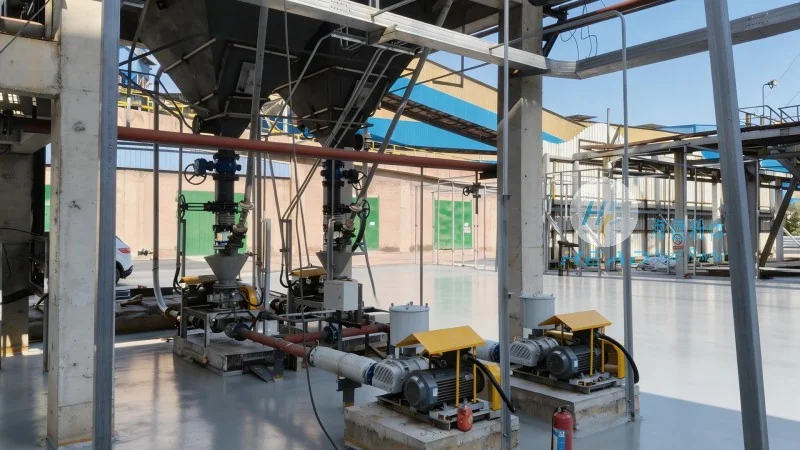
The operation process of a pneumatic conveying system for cement fly ash and mineral powder typically involves a series of sequential steps. Initially, the material is drawn from a storage hopper into a feeder, which regulates the flow rate to match the system's requirements. The feeder then transfers the material into a pipeline where it is carried by a high-velocity air stream generated by an air compressor. The air flow suspends the material particles, allowing them to travel through the pipeline to the receiver, where the material is deposited for further processing or storage. The system's control panel continuously monitors and adjusts the air pressure and flow rate to maintain optimal operation, ensuring consistent and reliable material delivery.
The Working Principle of Pneumatic Conveying Systems
The working principle of pneumatic conveying systems is based on the interaction between air and the material particles. In a dilute-phase system, the air velocity is high enough to keep the material particles suspended, enabling them to travel through the pipeline with minimal friction. This method is ideal for transporting fine powders over long distances. Conversely, dense-phase systems employ lower air velocities to create a slurry-like flow, which reduces particle degradation and improves system efficiency. The selection between dilute and dense-phase systems depends on the material's characteristics, such as particle size, density, and moisture content, as well as the required conveying distance and system capacity.
Key Components and Their Functions in the System
Several critical components contribute to the effective operation of a pneumatic conveying system for cement fly ash and mineral powder. The hopper serves as the primary storage vessel, providing a consistent supply of material to the feeder. The feeder, often a rotary valve or screw feeder, controls the material flow rate, preventing overloading or underflow. The air compressor generates the necessary air pressure to create the conveying stream, with the compressor type (rotary or reciprocating) chosen based on the system's specific requirements. The pipeline, typically constructed from stainless steel or other corrosion-resistant materials, transports the material and air mixture. The receiver collects the material at the end of the pipeline, and an integrated dust collection system captures any airborne particles to maintain air quality. Finally, the control panel manages the system's operation, allowing operators to adjust parameters and monitor performance in real-time.
Advantages of Pneumatic Conveying for Cement Fly Ash and Mineral Powder
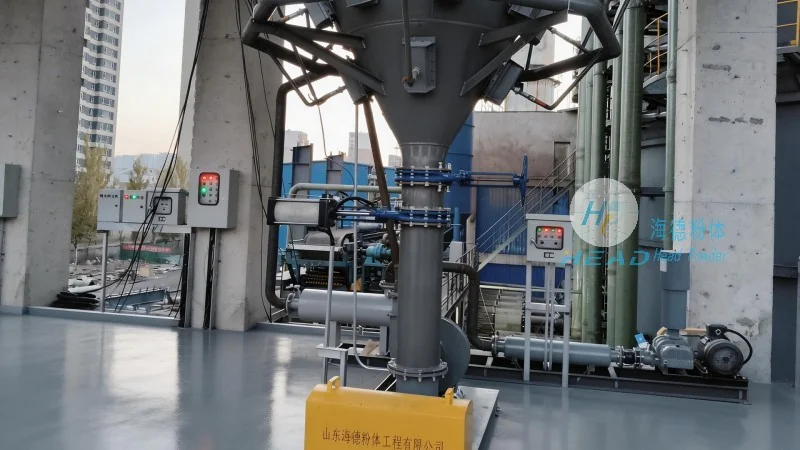
Pneumatic conveying systems offer several advantages when handling cement fly ash and mineral powder. Firstly, they provide a dust-free and enclosed environment, reducing the risk of material contamination and enhancing workplace safety. Secondly, these systems are highly efficient, capable of transporting materials over long distances with minimal energy consumption compared to traditional methods like belt conveyors. Thirdly, pneumatic conveying systems are flexible and can be easily integrated into existing production lines, allowing for modifications and expansions as needed. Additionally, the system's enclosed design helps prevent material loss and environmental pollution, aligning with modern industrial standards and regulations.
Applications and Industries Served
The pneumatic conveying systems designed by HeadPowder are utilized in various industries that rely on cement fly ash and mineral powder. In the cement industry, these systems are essential for transporting raw materials from storage to the kiln, as well as for handling fly ash and mineral additives used in cement production. In the construction sector, they are used for delivering cement and mineral powders to job sites, ensuring a steady supply of materials for concrete and mortar production. Other applications include the chemical and pharmaceutical industries, where fine powders need to be transported without contamination or degradation. HeadPowder's systems are customized to meet the specific needs of each industry, ensuring optimal performance, reliability, and compliance with industry standards.