

Operation Process and Working Principle of Pneumatic Conveying for Polyvinyl Butyral Materials
Polyvinyl butyral (PVB) is a widely used polymer in various industrial applications, including automotive safety glass, optical coatings, and adhesives. Pneumatic conveying systems offer an efficient method for handling PVB materials, ensuring safe and reliable material transport. This article explores the operation process and working principles of PVB material pneumatic conveying, highlighting the key components, operational steps, and benefits of such systems.
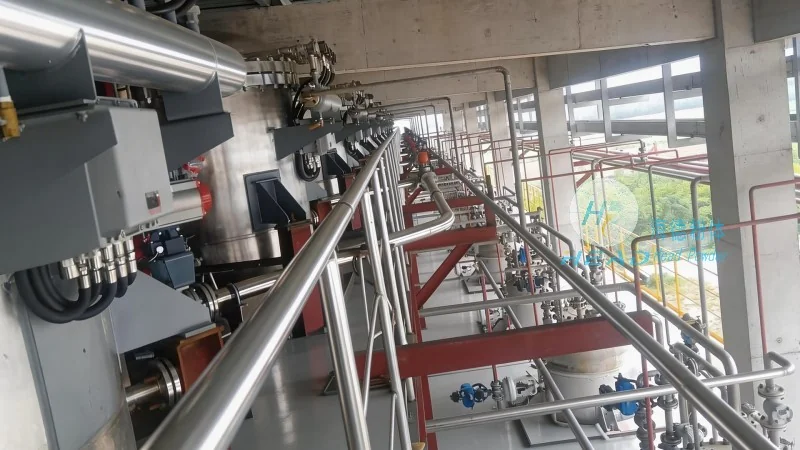
Key Components and Working Principle
Pneumatic conveying systems for PVB materials typically consist of several critical components that work in tandem to facilitate material transport. The main components include a hopper or feed hopper for material storage, a conveyor line (often with flexible hoses or rigid pipes), a blower or air compressor to generate the conveying air, and a receiver or discharge hopper for material collection. The working principle relies on the use of air pressure to move PVB particles through the conveyor line. When the blower operates, it creates a low-pressure zone in the conveyor line, which draws PVB material from the hopper into the system. The air flow then carries the PVB particles through the line to the receiver, where the material is deposited. The system may also include filters to remove dust and moisture from the air, ensuring the purity of the conveyed material.
Operational Process and Flow Control
The operational process of PVB pneumatic conveying involves several steps to ensure smooth and controlled material transport. First, the PVB material is loaded into the feed hopper. The hopper is equipped with a feeding mechanism, such as a rotary valve or a screw feeder, which controls the rate of material discharge into the conveyor line. The blower is then activated, generating the necessary air pressure to start the conveying process. As the material is fed into the line, the air flow carries the PVB particles forward. The flow rate and air pressure are carefully monitored to maintain consistent material transport and prevent blockages or excessive pressure buildup. The system may also include pressure sensors and flow meters to provide real-time feedback on the conveying conditions.
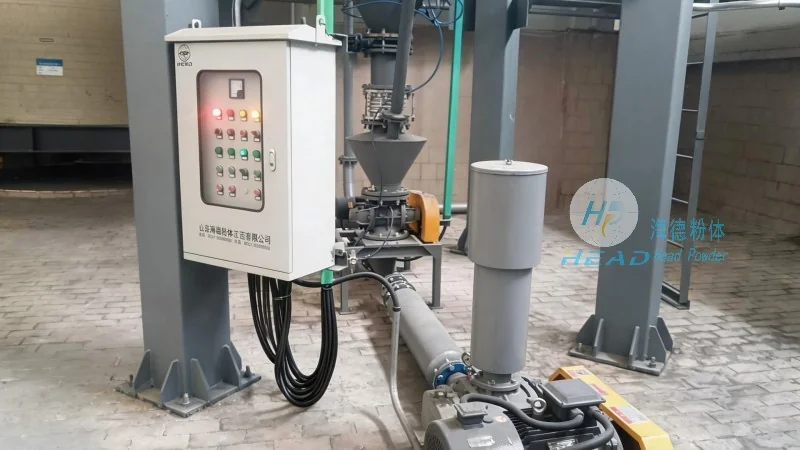
Advantages of Pneumatic Conveying for PVB Materials
Pneumatic conveying offers several advantages when handling PVB materials. One of the primary benefits is the ability to transport PVB in a closed system, which minimizes dust exposure and improves workplace safety. This is particularly important for PVB, which can generate fine particles that may be hazardous if inhaled. Additionally, pneumatic conveying systems can handle PVB materials with high moisture content or sticky properties, as the air flow helps to break up agglomerates and maintain material flow. The system also allows for flexible layout options, as the conveyor lines can be installed in various configurations to suit different plant layouts. Furthermore, pneumatic conveying reduces material handling time and labor costs compared to traditional methods like manual loading or bucket elevators.
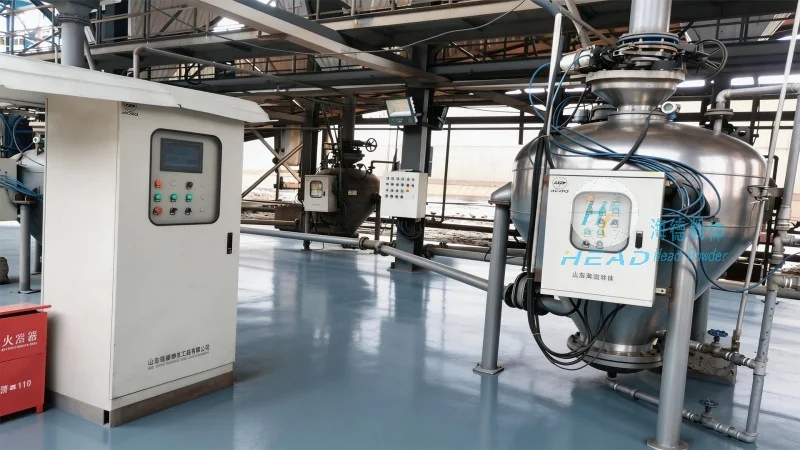
Application Scenarios and Industry Use Cases
PVB pneumatic conveying systems are widely used in various industries where PVB materials are processed. In the automotive industry, these systems are used to transport PVB pellets or powders from storage to production lines for safety glass manufacturing. In the optical coatings industry, PVB materials are conveyed to coating machines for applying protective layers on lenses and other optical components. The chemical industry also utilizes PVB pneumatic conveying for handling PVB resins used in adhesive formulations. Additionally, in the construction industry, PVB-based adhesives are conveyed to mixing and application equipment. The versatility of pneumatic conveying makes it suitable for a wide range of PVB applications, from small-scale laboratory use to large-scale industrial production.
Company Profile and Technical Expertise
Shandong HeadPowder Engineering Co., Ltd. is a leading provider of pneumatic conveying solutions for PVB materials. With headquarters in Shandong, China, the company specializes in designing, manufacturing, and installing customized PVB pneumatic conveying systems tailored to specific customer needs. The company’s technical team has extensive experience in material handling and process engineering, ensuring that each system is optimized for efficiency and reliability. HeadPowder Engineering employs advanced design software and rigorous testing protocols to ensure that their systems meet industry standards and customer requirements. The company’s commitment to quality and innovation has made it a trusted partner for many PVB manufacturers and processors.