

Comparison of Common PP Conveying Methods: Advantages and Disadvantages
When it comes to handling Polypropylene (PP) materials in industrial settings, selecting the right conveying method is crucial for efficiency, cost-effectiveness, and operational safety. The choice of PP conveying system directly impacts production line performance, material integrity, and overall maintenance requirements. This article provides a detailed comparison of common PP conveying methods, highlighting their advantages and disadvantages to help industrial operators make informed decisions.
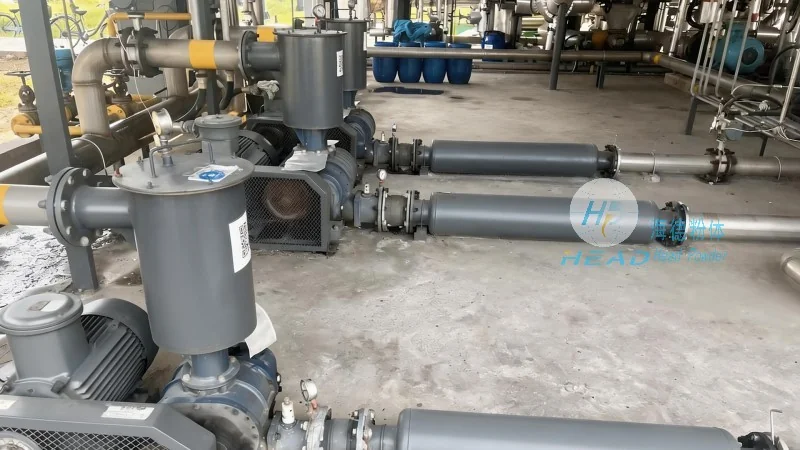
Overview of PP Conveying Methods
Polypropylene, a widely used thermoplastic polymer, is known for its lightweight, durability, and resistance to chemical corrosion. However, its handling characteristics, such as low friction and tendency to cling, make traditional conveying methods challenging. Common PP conveying systems include screw conveyors, belt conveyors, pneumatic conveyors, and bucket elevators. Each method has unique features that suit different applications and operational conditions.
Screw Conveyors for PP Material Handling
Screw conveyors, also known as auger conveyors, are one of the most common methods for transporting bulk materials, including PP pellets or powders. These systems consist of a rotating helical screw inside a trough or tube, which moves material from one point to another through gravity and mechanical force. The design of screw conveyors allows for vertical or horizontal transport, making them versatile for various industrial setups.
Advantages of screw conveyors for PP include their simplicity, low maintenance, and ability to handle a wide range of particle sizes. They are particularly effective for transporting free-flowing PP materials without the need for additional equipment. The enclosed design of screw conveyors also helps prevent material spillage and contamination, which is critical for maintaining product quality.
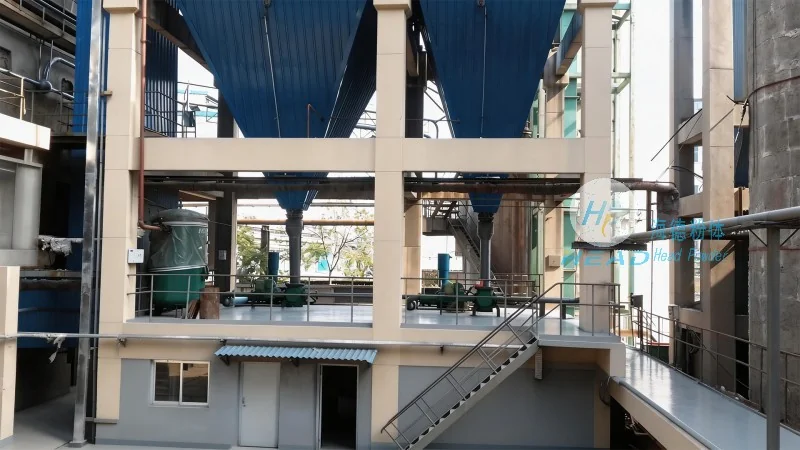
However, screw conveyors have limitations when handling sticky or cohesive PP materials. The rotating screw may cause material to stick to the trough walls, leading to reduced efficiency and potential blockages. Additionally, the high friction between the screw and material can generate heat, which may affect the physical properties of PP, especially if the material is sensitive to temperature changes.
Belt Conveyors for High-Volume PP Transport
Belt conveyors are widely used in industries requiring high-volume, continuous material transport. These systems use a continuous belt looped over rollers or pulleys to move PP materials over long distances. Belt conveyors are particularly suitable for horizontal or slightly inclined transport, making them ideal for bulk handling in manufacturing plants.
One of the key advantages of belt conveyors for PP is their ability to handle large quantities of material at high speeds. The smooth belt surface reduces friction, minimizing material degradation and ensuring consistent transport. Belt conveyors are also relatively easy to install and maintain, with replaceable belts and minimal moving parts. This makes them cost-effective for long-term use in PP processing facilities.
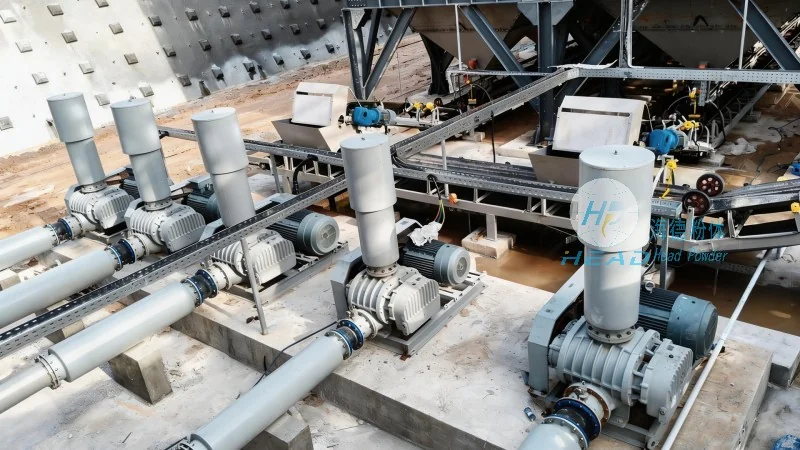
Nevertheless, belt conveyors have drawbacks when dealing with fine or powdery PP particles. The risk of material spillage and air entrainment is higher compared to enclosed systems like screw conveyors. Additionally, the belt may require regular cleaning to prevent PP buildup, which can affect performance and increase maintenance costs. For applications involving abrasive or sticky PP, the belt may wear out faster, leading to higher replacement expenses.
Pneumatic Conveying Systems for Flexible PP Handling
Pneumatic conveying systems use air or other gases to transport PP materials through a network of pipes or ducts. These systems are ideal for handling fine powders, pellets, or granules, as they can move material without direct contact, reducing friction and material degradation. Pneumatic conveyors are particularly useful for applications requiring flexibility, such as moving PP between different processing stages or to remote locations.
The primary advantage of pneumatic conveying for PP is its ability to handle materials with high moisture content or those that are sensitive to temperature changes. The enclosed system prevents contamination and maintains material integrity, which is essential for quality control in PP production. Pneumatic conveyors also offer flexibility in terms of layout, as they can be installed in various configurations to suit the plant's design.
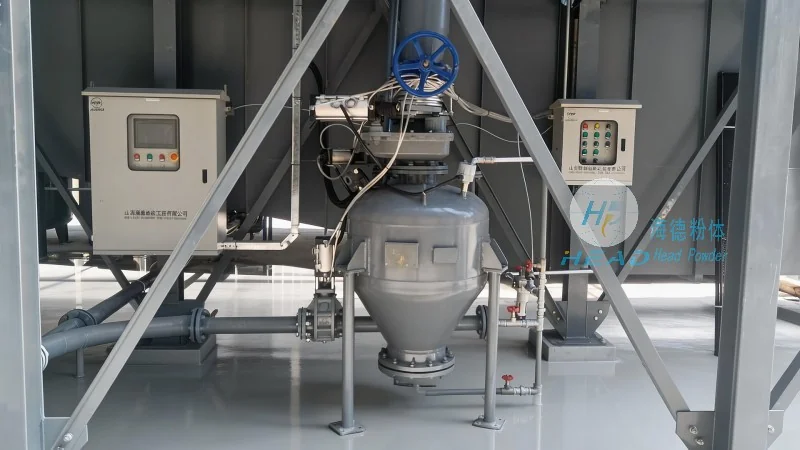
However, pneumatic conveying has significant disadvantages, especially for high-volume PP transport. The system requires high air pressure and energy consumption, leading to increased operational costs. Additionally, the risk of material blockages and system downtime is higher compared to mechanical conveyors. Fine PP powders may also cause clogging in the ducts, requiring regular cleaning and maintenance. The cost of air compressors and filtration systems adds to the overall expenses, making pneumatic conveying less economical for large-scale PP handling.
Bucket Elevators for Vertical PP Transport
Bucket elevators are specialized conveyors designed for vertical transport of bulk materials, including PP pellets or powders. These systems use a continuous chain with attached buckets that move material upward through a vertical or inclined shaft. Bucket elevators are particularly effective for applications requiring vertical movement, such as transporting PP from a storage hopper to a processing machine.
Advantages of bucket elevators for PP include their high capacity and ability to handle vertical transport efficiently. The enclosed design prevents material spillage and contamination, ensuring consistent quality. Bucket elevators are also relatively compact, making them suitable for plants with limited vertical space. The system is easy to control and maintain, with replaceable buckets and minimal moving parts.