

Comparison of Common Dry Material Conveying Methods: Advantages and Disadvantages
When selecting a suitable conveying system for dry materials, understanding the various methods available is crucial. This article provides a detailed comparison of common dry material conveying methods, highlighting their advantages and disadvantages, to help you make an informed decision for your industrial application. HeadPowder, a leading provider of dry material handling solutions, offers a range of conveying systems tailored to meet diverse industrial needs.
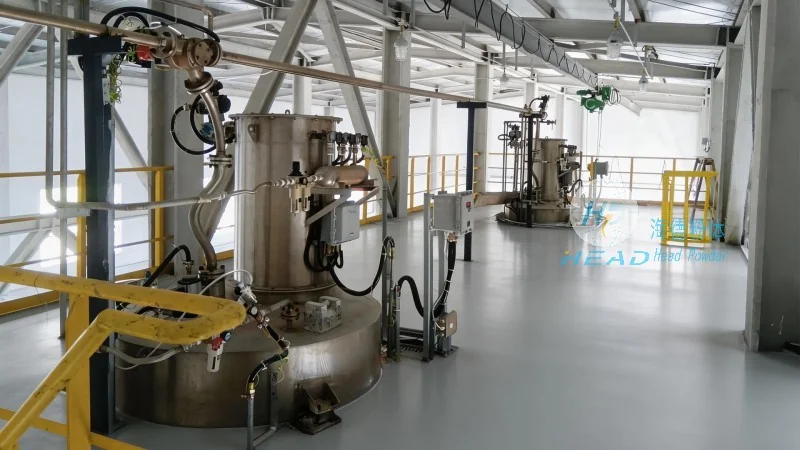
Overview of Dry Material Conveying Systems
Dry material conveying is essential in many industries, including food processing, pharmaceuticals, chemicals, and bulk material handling. The choice of conveying method depends on factors such as material characteristics, required capacity, distance, and environmental considerations. Common methods include pneumatic conveying, belt conveyors, screw conveyors, and bucket elevators. Each method has its own set of advantages and limitations that must be evaluated based on specific operational needs.
Pneumatic Conveying Systems
Pneumatic conveying uses air or other gases to transport dry materials. This method is highly versatile and can handle a wide range of materials, from fine powders to bulk solids. The primary advantages of pneumatic conveying include the ability to transport materials over long distances, the flexibility to change routes, and the option for enclosed systems that prevent dust contamination. However, it also has significant drawbacks. Pneumatic systems require high air pressure, leading to higher energy consumption and maintenance costs. They are also less efficient for heavy or abrasive materials, as the air flow can cause wear on components. Additionally, the system design must account for material density and flow characteristics, which can complicate installation and operation.
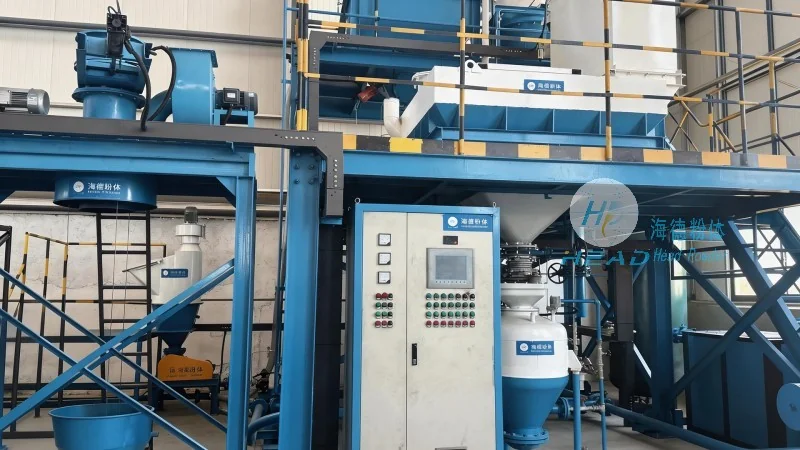
Belt Conveyors
Belt conveyors are one of the most widely used dry material handling solutions. They consist of a continuous belt that moves over rollers or pulleys, transporting materials from one point to another. The main advantage of belt conveyors is their high capacity and ability to handle large volumes of material efficiently. They are also relatively low-cost to install and maintain, making them an attractive option for many applications. Belt conveyors are suitable for both horizontal and inclined transport, and they can be customized with different belt materials to accommodate various material types. However, belt conveyors have limitations. They are not ideal for fine powders, as they can cause dust accumulation and material spillage. The system also requires regular maintenance to prevent belt wear and slippage, and they may not be suitable for materials that are too heavy or abrasive, as the belt can be damaged over time.
Screw Conveyors
Screw conveyors, also known as auger conveyors, use a rotating screw to move dry materials through a tube or trough. This method is particularly effective for handling granular or powdery materials that are free-flowing. The primary advantage of screw conveyors is their simplicity and reliability. They are compact, require minimal space, and can be easily integrated into existing systems. Screw conveyors are also self-contained, as they do not rely on external forces like air or gravity. However, they have several disadvantages. The screw and trough can be prone to wear, especially with abrasive materials, leading to higher maintenance costs. The system is not suitable for materials that are too heavy or sticky, as they may cause blockages or reduce efficiency. Additionally, screw conveyors have limitations in terms of distance and capacity, as the material can degrade or become compacted over long distances.
Bucket Elevators
Bucket elevators are vertical or inclined conveyors that use a series of buckets attached to a chain or belt to transport dry materials. This method is ideal for vertical or steeply inclined transport, making it suitable for applications where elevation changes are required. The main advantage of bucket elevators is their high efficiency and ability to handle large volumes of material vertically. They are also relatively low-cost and easy to install, especially for vertical transport needs. Bucket elevators can handle a wide range of materials, from fine powders to bulk solids, and they are enclosed systems that prevent dust contamination. However, bucket elevators have significant drawbacks. They are not suitable for materials that are too heavy or abrasive, as the buckets and chains can be damaged by wear. The system also requires regular maintenance to prevent chain or bucket failure, and they may not be suitable for materials that are too fine or lightweight, as they can cause the buckets to empty prematurely.
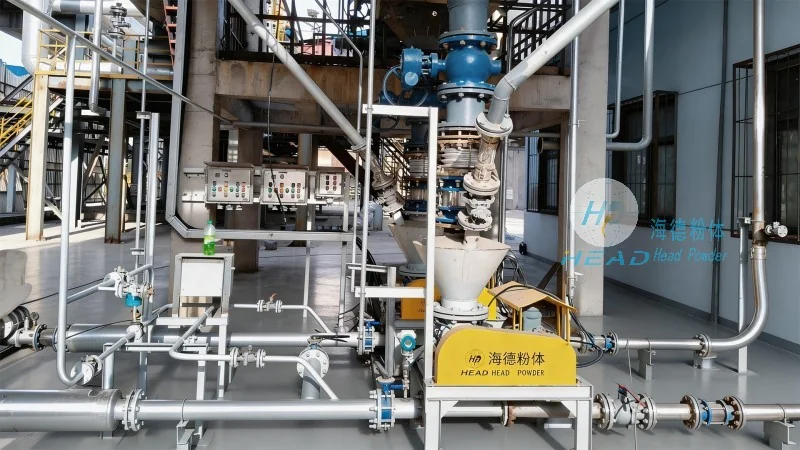
Choosing the Right Conveying Method
When selecting a dry material conveying method, it is essential to consider several factors. First, the material characteristics, such as particle size, density, and flowability, must be evaluated. Fine powders may require pneumatic or belt conveyors, while bulk solids may be better suited for screw or bucket elevators. Second, the required capacity and distance of transport must be determined. For long distances, pneumatic or belt conveyors may be more efficient, while for vertical transport, bucket elevators are preferred. Third, the environmental and safety considerations must be addressed. Enclosed systems like pneumatic or bucket elevators are ideal for preventing dust contamination and ensuring worker safety. Finally, the cost and maintenance requirements must be considered. While some methods may have lower initial costs, they may have higher long-term maintenance expenses.
Conclusion
Choosing the right dry material conveying method is a critical decision that impacts operational efficiency, cost, and safety. By understanding the advantages and disadvantages of each method, you can select the most suitable system for your specific needs. Whether you opt for pneumatic conveying, belt conveyors, screw conveyors, or bucket elevators, it is essential to consider the material characteristics, transport requirements, and environmental factors. With the right system in place, you can ensure efficient and reliable dry material handling in your industrial application. HeadPowder, based in Shandong, China, is committed to providing high-quality conveying solutions that meet the unique needs of our clients.