

Operation Process and Working Principle of Intelligent Material Pneumatic Conveying Lines
Intelligent material pneumatic conveying lines represent a sophisticated solution for the efficient and reliable transportation of bulk materials in industrial settings. Developed by Shandong HeadPowder Engineering Co., Ltd., a leading manufacturer based in China, these systems integrate advanced technology to optimize material handling processes. The operation process and working principle of such lines are crucial for understanding their functionality and benefits in various industrial applications.
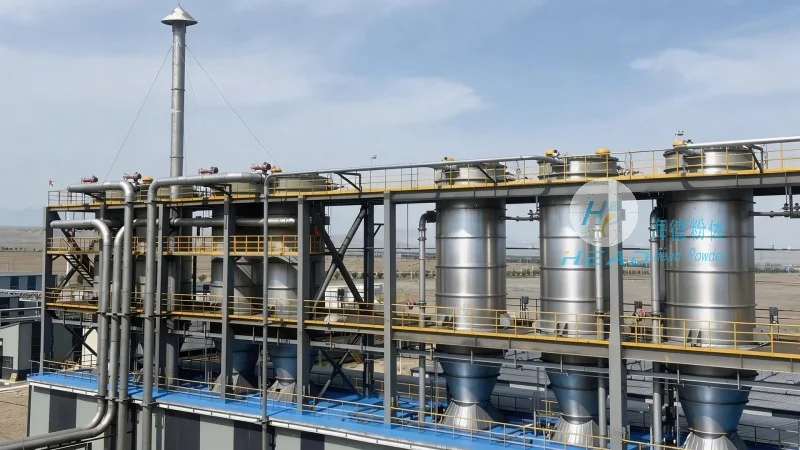
Key Components and Their Roles
The intelligent material pneumatic conveying line typically consists of several core components that work in concert to achieve seamless material transport. These include the material hopper, which serves as the initial storage and feeding unit; the air compressor or blower, responsible for generating the necessary airflow to move materials; the conveying pipeline, which provides the path for material and air flow; and the control system, which manages the entire operation for precision and efficiency. Each component is designed to ensure optimal performance and minimal downtime, contributing to the overall reliability of the system.
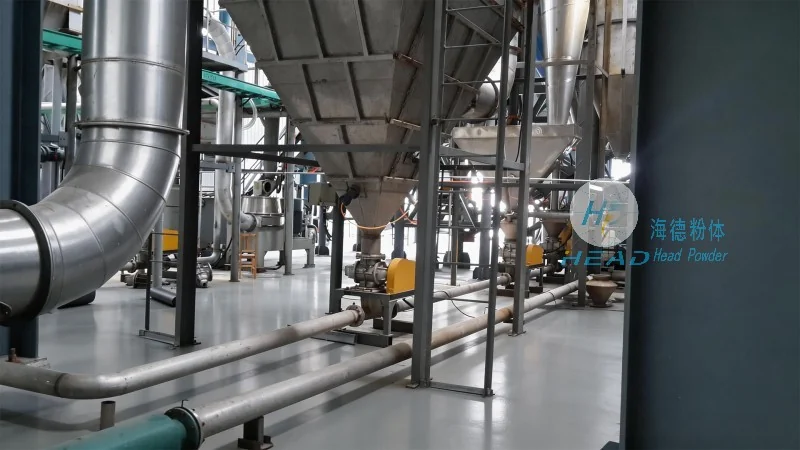
Operation Process: Step-by-Step Overview
The operation of an intelligent material pneumatic conveying line follows a systematic sequence of steps to ensure consistent material movement. Initially, bulk materials are loaded into the material hopper. The control system then activates the air compressor, which generates a controlled airflow through the conveying pipeline. As the air flows, it lifts and propels the material particles from the hopper into the pipeline. The material travels through the pipeline under the force of the airflow, reaching the discharge point where it is collected. The system continuously monitors and adjusts the airflow and material feed rate to maintain stable operation and prevent issues such as blockages or uneven flow. This step-by-step process ensures that materials are transported safely and efficiently, minimizing the risk of spillage or material loss.
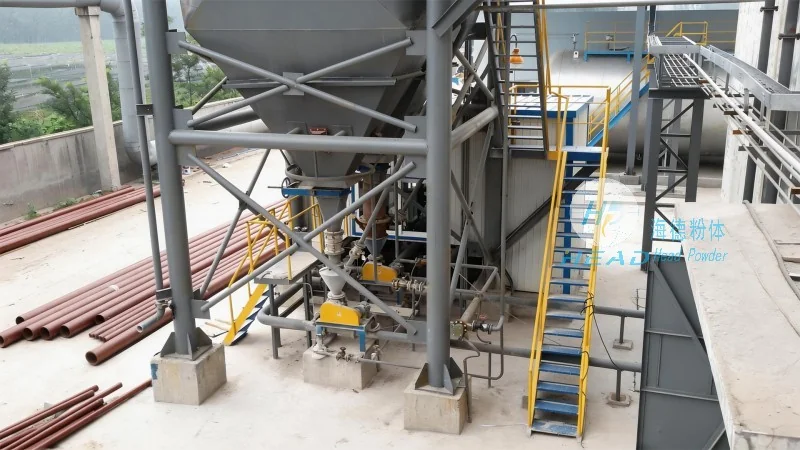
Working Principle: The Science Behind Pneumatic Conveying
The working principle of intelligent material pneumatic conveying lines is based on the fundamental concept of fluidization and pneumatic transport. The air compressor creates a pressure differential between the hopper and the discharge point, generating a flow of air that entrains the material particles. This process, known as pneumatic conveying, uses the kinetic energy of the air to move the material through the pipeline. The control system plays a critical role in maintaining the pressure differential and adjusting the airflow rate to match the material characteristics and pipeline length. Different conveying modes, such as dilute phase and dense phase, can be employed depending on the material properties and application requirements. Dilute phase conveying uses higher air velocities to transport materials in a suspended state, while dense phase conveying uses lower velocities to move materials in a more compacted form, reducing the risk of material degradation or blockages.
Advantages of Intelligent Material Pneumatic Conveying Lines
Intelligent material pneumatic conveying lines offer numerous advantages over traditional material handling methods. These systems provide a dust-free and hygienic environment, which is particularly important for transporting food, pharmaceutical, and other sensitive materials. The enclosed pipeline design prevents material contamination and environmental pollution, ensuring compliance with industry standards. Additionally, these systems are highly flexible and can be easily integrated into existing production lines, allowing for seamless material transfer between processes. The intelligent control system enables real-time monitoring and adjustment, enhancing operational efficiency and reducing maintenance costs. Furthermore, the compact design of these lines saves valuable floor space, making them suitable for applications with limited installation area. Overall, the intelligent material pneumatic conveying lines from Shandong HeadPowder Engineering Co., Ltd. provide a reliable and efficient solution for modern industrial material handling needs.
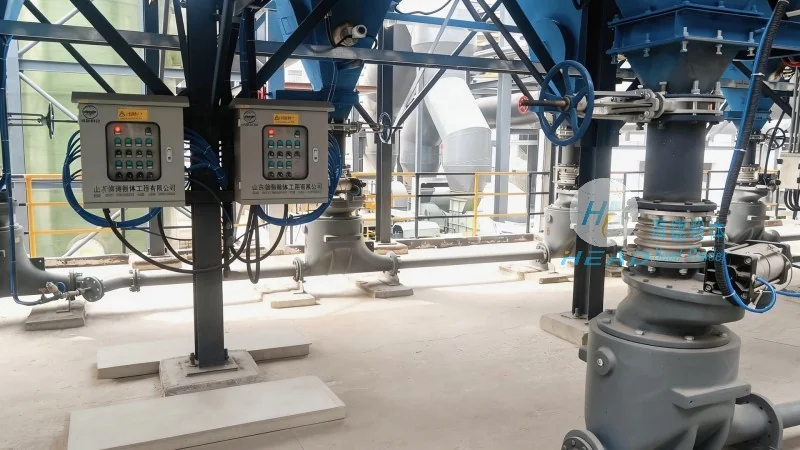
Application Examples and Industries
The intelligent material pneumatic conveying lines are widely used in various industries due to their versatility and adaptability. In the food and beverage industry, these systems are employed to transport grains, powders, and other raw materials with high hygiene standards. The pharmaceutical industry utilizes them for the handling of active pharmaceutical ingredients (APIs) and other sensitive materials, ensuring strict contamination control. The chemical industry benefits from these systems for transporting powders, granules, and other bulk chemicals, reducing the risk of dust explosions and material degradation. Additionally, in the mining and minerals sector, pneumatic conveying lines are used to transport ore and other bulk materials from processing plants to storage facilities. The construction industry also finds applications in transporting cement, sand, and other building materials, improving the efficiency of material handling on construction sites. These diverse applications highlight the broad utility and effectiveness of intelligent material pneumatic conveying lines in modern industrial operations.