

Operation Process and Working Principle of Tailings Powder Slag Material Pneumatic Conveying Line
Shandong HeadPowder Engineering Co., Ltd., a leading enterprise in the field of material handling technology, specializes in the design, manufacturing, and installation of advanced pneumatic conveying systems. The company, operating from its base in Shandong, China, has established itself as a trusted provider of solutions tailored to the unique challenges of transporting tailings powder and slag materials. This article delves into the operation process and working principle of a typical tailings powder slag material pneumatic conveying line, highlighting the key components, operational mechanisms, and the benefits of such systems in industrial applications.
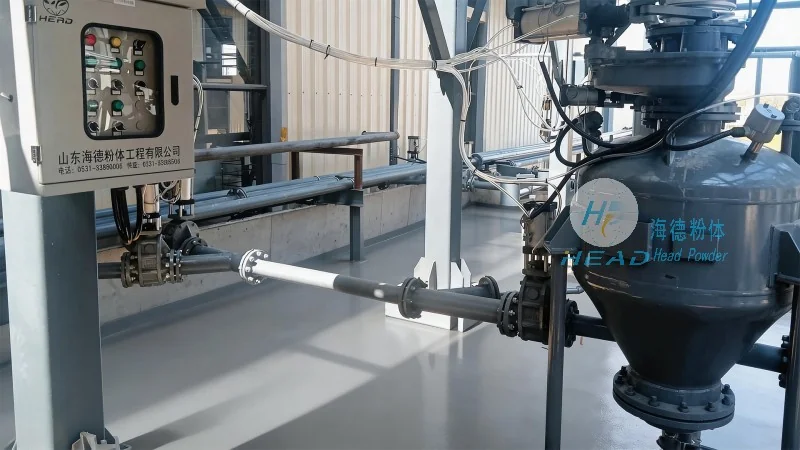
Key Components of the Pneumatic Conveying Line
The pneumatic conveying line for tailings powder and slag materials typically consists of several critical components that work in tandem to ensure efficient material transport. These components include the material hopper, feeder, air compressor, conveying pipeline, dust collector, and control system. Each component plays a vital role in the overall functionality of the system.
The material hopper is designed to store the tailings powder or slag, providing a consistent feed source. It is equipped with a feeder, such as a rotary valve or a screw feeder, which regulates the flow of material into the conveying pipeline. The air compressor generates the necessary air pressure to move the material through the pipeline. The conveying pipeline, usually made of stainless steel or other corrosion-resistant materials, ensures the material is transported from the hopper to the discharge point. The dust collector is integrated to capture and filter any airborne particles, maintaining a clean and safe working environment. The control system monitors and regulates the operation of all components, ensuring optimal performance and safety.
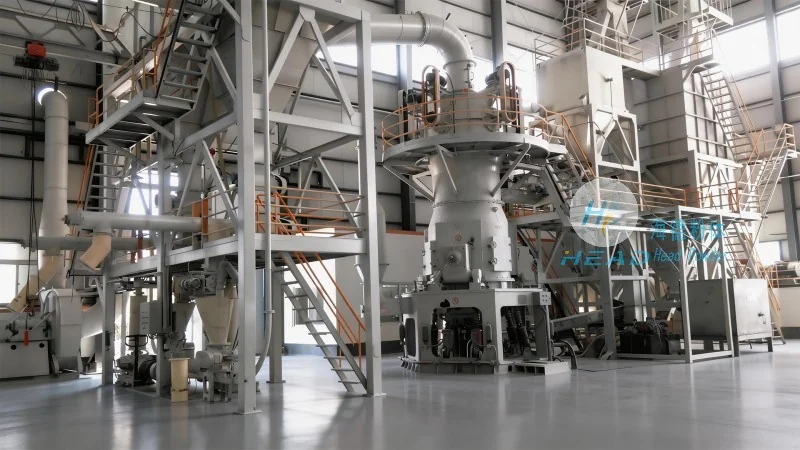
Operation Process of the Pneumatic Conveying Line
The operation of the tailings powder slag material pneumatic conveying line follows a systematic process. Initially, the material is loaded into the hopper. The feeder then controls the discharge rate, ensuring a steady flow of material into the pipeline. The air compressor starts, generating compressed air that is introduced into the pipeline. As the air flows, it lifts and transports the material particles through the pipeline. The material is carried by the air stream until it reaches the discharge point, where it is collected and utilized. The dust collector continuously operates to capture any particles that may escape, preventing contamination and ensuring compliance with environmental regulations.
During operation, the control system continuously monitors parameters such as air pressure, material flow rate, and system temperature. Any deviations from the set points are automatically adjusted to maintain optimal performance. This closed-loop control ensures that the system operates efficiently and safely, minimizing downtime and maximizing material throughput.
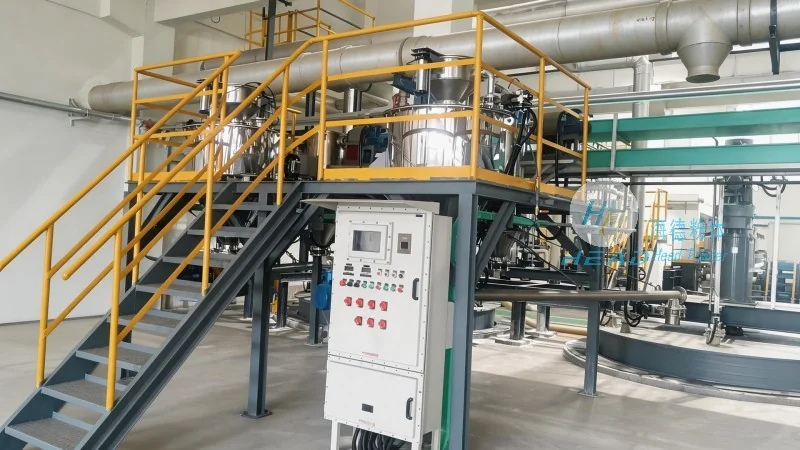
Working Principle of the Pneumatic Conveying System
The working principle of the pneumatic conveying line is based on the principle of fluidization and suspension of solid particles in a gas stream. When compressed air is introduced into the conveying pipeline, it creates a low-pressure zone that draws the material particles into the air stream. The air velocity is maintained at a level sufficient to keep the particles suspended, preventing them from settling or clogging the pipeline. The material is then transported to the discharge point, where the air is separated from the material and returned to the compressor for reuse.
There are two main types of pneumatic conveying systems: dilute-phase and dense-phase. Dilute-phase systems operate at higher air velocities, with material particles suspended in the air stream, resulting in higher throughput but potentially higher energy consumption. Dense-phase systems operate at lower air velocities, with material particles forming a slurry-like mixture with the air, resulting in lower energy consumption but lower throughput. The choice between these systems depends on the specific characteristics of the material and the application requirements.
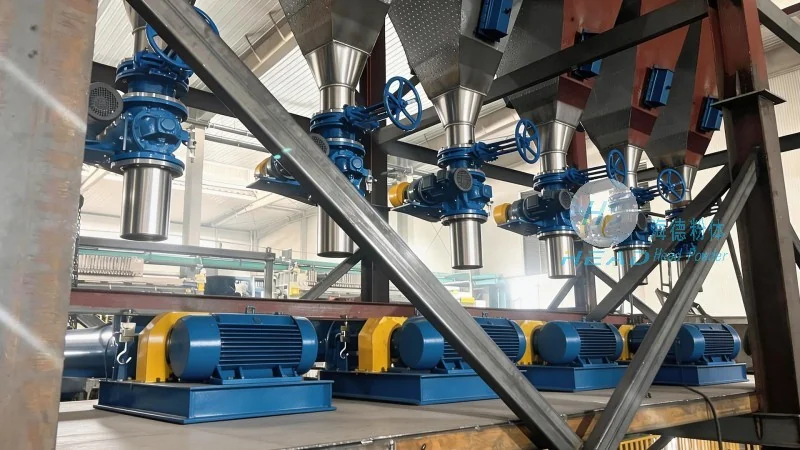
Benefits and Applications of the Pneumatic Conveying Line
The use of a pneumatic conveying line for tailings powder and slag materials offers several advantages over traditional methods such as belt conveyors or bucket elevators. These systems are highly flexible, allowing for the transport of materials over long distances and through complex layouts. They are also capable of handling materials with varying particle sizes and moisture content, which is often the case with tailings and slag. The enclosed system prevents dust emissions, reducing environmental impact and improving workplace safety. Additionally, the system is relatively compact and can be installed in limited spaces, making it suitable for industrial facilities with space constraints.
Shandong HeadPowder Engineering Co., Ltd. has successfully implemented numerous pneumatic conveying systems for various industrial applications, including mining, power generation, and waste management. The company's expertise in material handling technology ensures that each system is customized to meet the specific needs of the client, ensuring optimal performance and reliability. With a focus on innovation and quality, HeadPowder continues to provide cutting-edge solutions for the efficient and safe transport of tailings powder and slag materials.