

Operation Process and Working Principle of a Pneumatic Conveyor for Coke and Limestone Powder Materi
HeadPowder, a renowned manufacturer based in Shandong, China, specializes in providing high-quality pneumatic conveyors tailored for handling materials like coke and limestone powder. This article delves into the operation process and working principle of a typical pneumatic conveyor designed for such applications, highlighting its efficiency and reliability in material handling tasks.
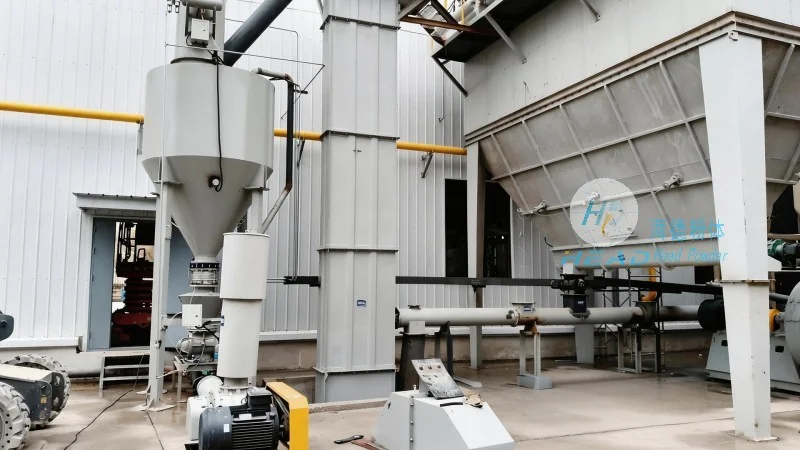
About HeadPowder: Leading Pneumatic Conveyor Solutions
Shandong HeadPowder Engineering Co., Ltd., commonly known as HeadPowder, is a leading enterprise in the field of pneumatic conveying technology. With a strong commitment to innovation and quality, the company has established itself as a trusted provider of material handling solutions. HeadPowder's expertise lies in designing and manufacturing conveyors that meet the specific demands of industries dealing with bulk materials, ensuring optimal performance and durability.
Pneumatic Conveyor for Coke and Limestone Powder Materials: An Efficient Material Handling Solution
The pneumatic conveyor for coke and limestone powder materials is a sophisticated system engineered to transport dry bulk materials through an air-driven mechanism. This equipment is particularly suitable for applications where traditional mechanical conveyors may face challenges due to material properties, such as dustiness, abrasiveness, or the need for enclosed transport to prevent contamination. The system combines advanced engineering with robust construction to deliver reliable and efficient material transport solutions.
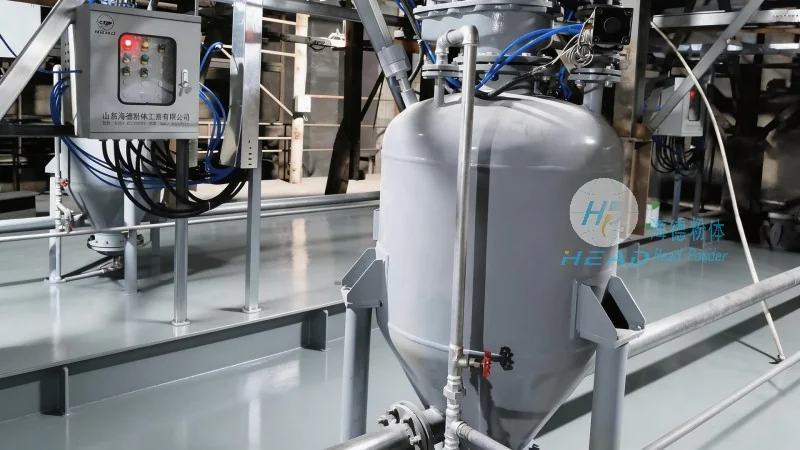
Operation Process of the Pneumatic Conveyor
The operation of the pneumatic conveyor for coke and limestone powder materials involves several key steps, each designed to ensure smooth and continuous material flow. The process begins with the feeding of the material into the hopper or feeder unit. The material is then introduced into the conveying line under controlled conditions, where it is carried by a stream of air generated by a blower or compressor. The air flow, typically under positive pressure, propels the material particles through the pipeline to the discharge point. The system is equipped with sensors and control mechanisms to monitor the flow rate, pressure, and material level, ensuring stable operation and preventing blockages or overloading.
Working Principle of the Pneumatic Conveyor
The working principle of the pneumatic conveyor relies on the fundamental concept of fluidization and air movement. The system uses a high-pressure air stream to create a "fluidized" environment within the conveying line, where the material particles are suspended and transported along with the air. This method, known as pneumatic conveying, eliminates the need for mechanical components like belts or chains that may be prone to wear and maintenance issues. The blower or compressor provides the necessary air pressure, while the pipeline network guides the material from the inlet to the outlet. The system may incorporate features such as cyclone separators or filters to separate the material from the air at the discharge end, ensuring clean and efficient material handling.
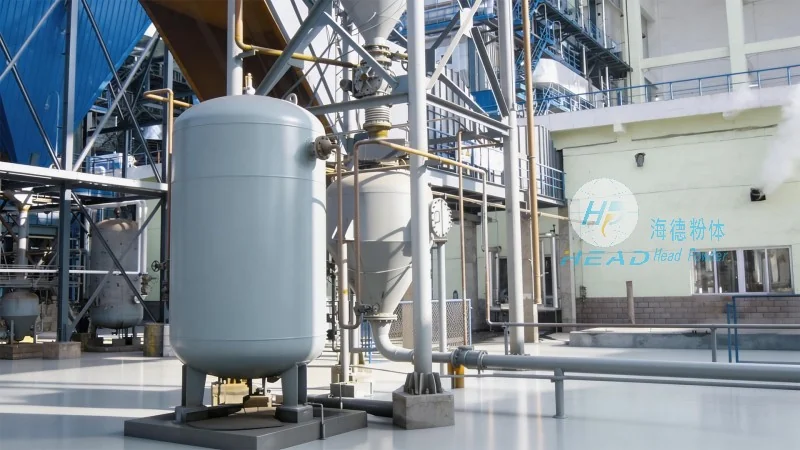
Key Components and Their Functions
The pneumatic conveyor for coke and limestone powder materials consists of several critical components, each playing a vital role in the overall operation. These include the hopper or feeder, which holds the material and controls the feed rate; the blower or compressor, which generates the air pressure for conveying; the conveying pipeline, which transports the material; the discharge unit, which delivers the material to the target location; and the control system, which monitors and regulates the operation. Additionally, the system may feature accessories like filters, cyclones, or dust collectors to maintain air quality and prevent material loss.
Advantages of Using a Pneumatic Conveyor for Coke and Limestone Powder
Employing a pneumatic conveyor for handling coke and limestone powder offers numerous advantages over traditional methods. Firstly, it provides a completely enclosed transport system, minimizing dust emissions and preventing contamination of the material. This is particularly important for materials like limestone powder, which may be used in food or pharmaceutical industries where purity is critical. Secondly, the system is highly flexible, allowing for changes in the conveying route or capacity without major modifications. Thirdly, it reduces labor costs and maintenance requirements compared to mechanical conveyors, as there are fewer moving parts and less wear and tear. Finally, the pneumatic conveyor is capable of handling a wide range of material sizes and densities, making it suitable for diverse industrial applications.
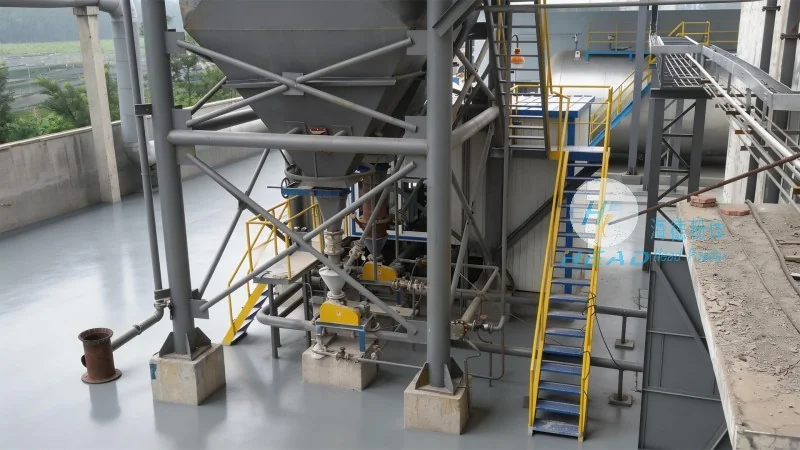
Applications and Industries
The pneumatic conveyor for coke and limestone powder materials is widely used in various industries, including the chemical, mining, and food processing sectors. In the chemical industry, it is used to transport raw materials like limestone powder for cement production or chemical reactions. In the mining industry, it helps in transporting coke and limestone from storage to processing units. In the food and pharmaceutical industries, the enclosed system ensures that the materials remain clean and free from contaminants, meeting stringent quality standards. The versatility of the system makes it an ideal choice for any application requiring efficient and reliable bulk material transport.
Conclusion
HeadPowder's pneumatic conveyor for coke and limestone powder materials represents a cutting-edge solution for efficient material handling. By leveraging advanced pneumatic technology, the system ensures reliable, dust-free, and flexible transport of bulk materials. With its robust construction and intelligent control features, this conveyor is designed to meet the demanding requirements of modern industrial operations. As a leading manufacturer based in Shandong, China, HeadPowder continues to innovate and provide high-quality solutions that enhance productivity and safety in material handling processes.