

Introduction to Dust-Free Material Feeding Pneumatic Conveying and Structural Principles
Dust-free material feeding pneumatic conveying is a sophisticated industrial technology used to transport bulk materials, such as powders, granules, and fine particles, through a pipeline system using compressed air or other gas streams. This method offers significant advantages over traditional mechanical conveying systems, including enhanced safety, reduced contamination, and improved process efficiency. The technology is widely applied in industries like pharmaceuticals, food processing, chemicals, and electronics, where maintaining a clean and controlled environment is essential for product quality and regulatory compliance.
Structural Components and Working Principles
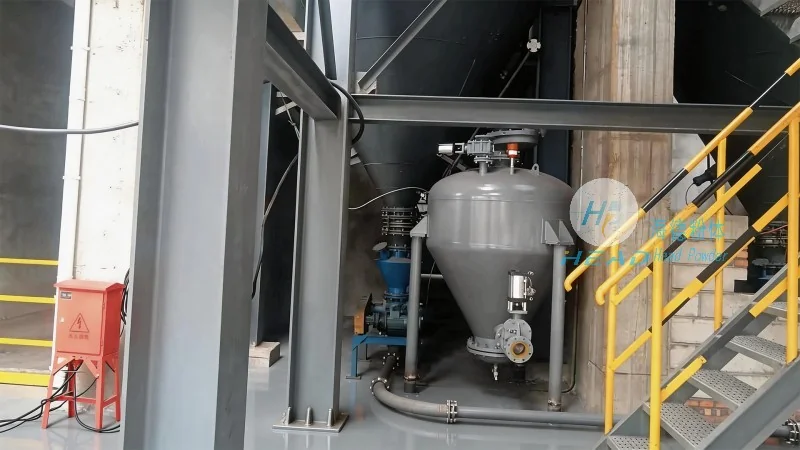
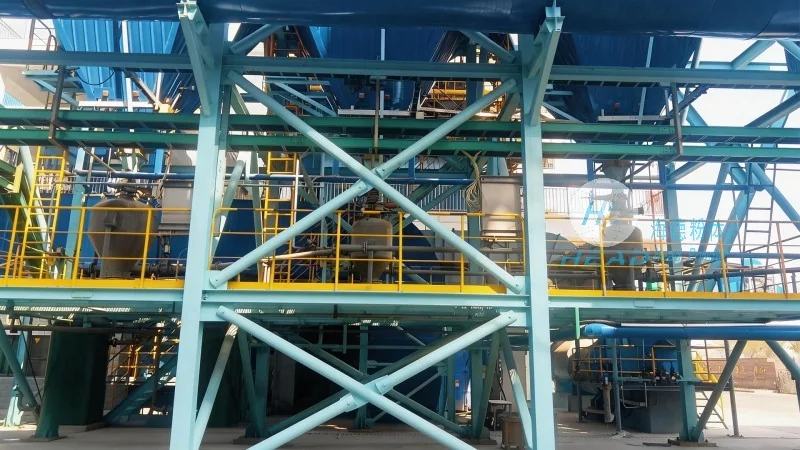
The core components of a dust-free material feeding pneumatic conveying system typically include a material hopper, a rotary airlock or feeder, a conveying pipeline, a dust collector or filter system, and a control unit. The process begins with the material being stored in the hopper. A rotary airlock or feeder controls the flow rate of the material, ensuring a consistent and controlled feed into the system. Compressed air is then introduced into the pipeline, creating a pressure differential that propels the material forward. The conveying pipeline is designed to minimize pressure loss and maintain the material's integrity throughout the transport process. A dust collector or filter system is integrated to capture any fine particles that may escape, ensuring the system operates in a clean environment. The control unit monitors and regulates the system's operation, adjusting parameters like air pressure and flow rate to optimize performance and maintain system stability.
Key Advantages of Dust-Free Material Feeding Pneumatic Conveying
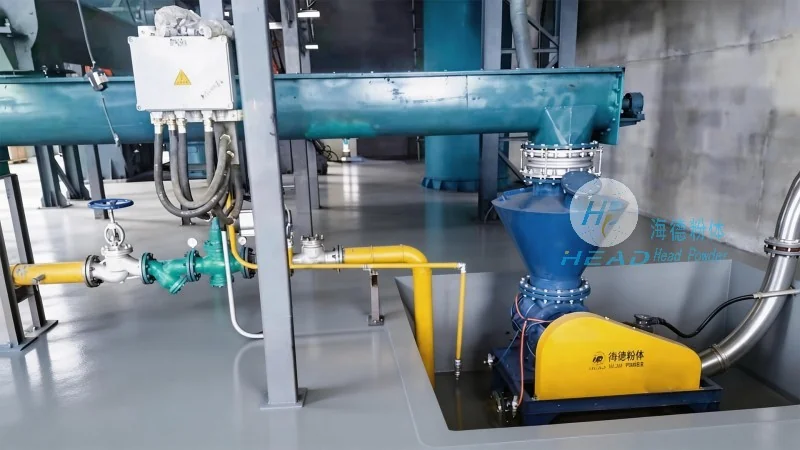
One of the primary benefits of this technology is its ability to maintain a dust-free environment, which is crucial in industries where product purity and worker safety are paramount. Unlike mechanical conveyors, which can generate significant dust and noise, pneumatic systems operate quietly and with minimal particulate release. This reduces the risk of contamination in sensitive products and minimizes the need for extensive dust control measures. Additionally, pneumatic conveying systems can handle a wide range of materials, from low-density powders to high-density granules, with flexibility in conveying distances and system configurations. The technology also offers improved process control, allowing for precise material flow rates and consistent product quality. Another advantage is the reduced maintenance requirements compared to mechanical systems, as there are fewer moving parts exposed to wear and tear, leading to lower operational costs and increased system reliability.
Application Examples and Industry Impact
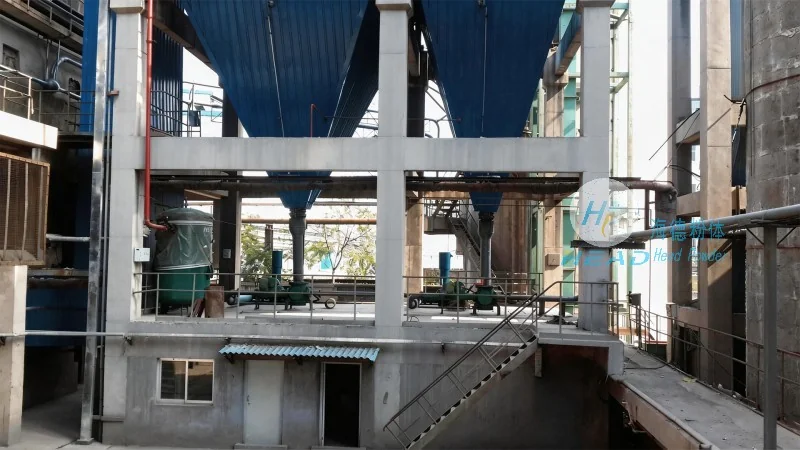
Dust-free material feeding pneumatic conveying is widely used in various industrial applications. In the pharmaceutical industry, it ensures that raw materials and finished products are handled in a sterile environment, preventing contamination and maintaining compliance with stringent regulatory standards. In food processing, the system helps maintain food safety by preventing cross-contamination and preserving product quality. The chemical industry benefits from the ability to handle hazardous materials safely, as the enclosed system minimizes exposure risks and ensures proper containment. In the electronics industry, the technology is used to transport fine powders for component manufacturing, ensuring a clean and controlled production environment. The consistent performance of pneumatic conveying systems also contributes to improved production efficiency and reduced downtime, as the system can be easily integrated into existing production lines and adapted to changing production needs.