

Introduction to and Structural Principles of Sand and Gravel Pneumatic Conveying Systems
HeadPowder, a leading engineering firm based in Shandong, China, specializes in the design, manufacturing, and implementation of advanced pneumatic conveying systems for bulk material handling. This article provides an overview of the company's expertise and the fundamental principles governing sand and gravel pneumatic conveying systems.
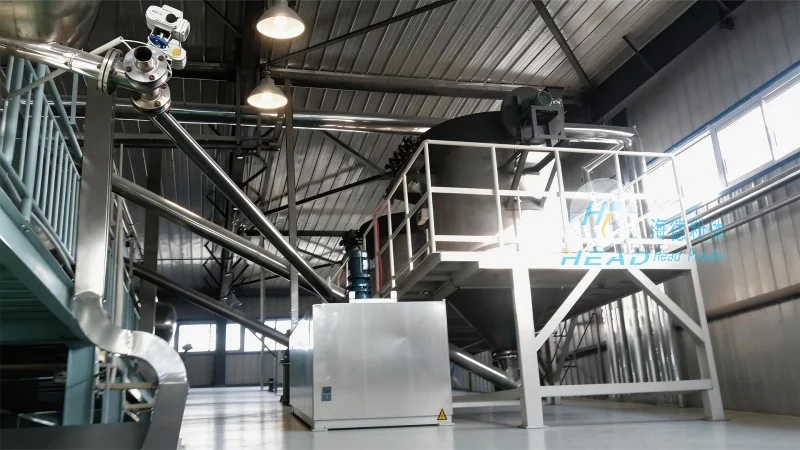
Company Profile: HeadPowder Engineering
HeadPowder Engineering Co., Ltd. is a reputable enterprise dedicated to providing high-quality solutions for material transport in various industrial sectors. With a strong presence in Shandong, China, the company leverages years of experience and technical innovation to deliver reliable pneumatic conveying systems tailored to the needs of clients in construction, mining, and other material-intensive industries. The company's commitment to excellence ensures that each system is engineered to meet stringent operational requirements and safety standards.
Pneumatic Conveying Systems: Core Components and Functionality
A pneumatic conveying system is a method of transporting bulk materials through a pipeline using air or gas as the conveying medium. For sand and gravel applications, these systems are particularly effective due to the high density and abrasive nature of the materials. The primary components of a typical sand and gravel pneumatic conveying system include the material feed hopper, the air supply unit (usually a blower or compressor), the conveying pipeline, and the discharge unit. The material is introduced into the system from the hopper, where it is then mixed with the air stream and propelled through the pipeline to the destination point. The air supply unit generates the necessary pressure and flow rate to ensure efficient material transport, while the pipeline design is optimized to minimize friction losses and prevent material degradation.
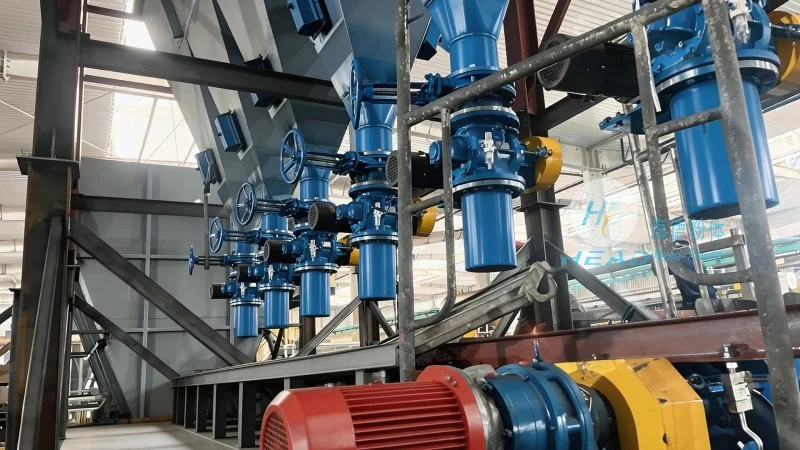
Structural Principles of Sand and Gravel Pneumatic Conveying
The structural design of a sand and gravel pneumatic conveying system is critical to its performance and longevity. Key structural principles include the selection of appropriate materials for components that come into contact with abrasive materials, such as high-strength steel or specialized alloys for the pipeline and hopper. The system's layout, including the length and diameter of the pipeline, the number of bends, and the placement of airlocks or rotary valves, is carefully planned to maintain consistent material flow and prevent blockages. Additionally, the system incorporates pressure relief valves and filters to protect equipment from overpressure and to maintain air quality. The discharge unit, often a rotary valve or a venturi, ensures that the material is released smoothly and without spillage, completing the conveying process efficiently.
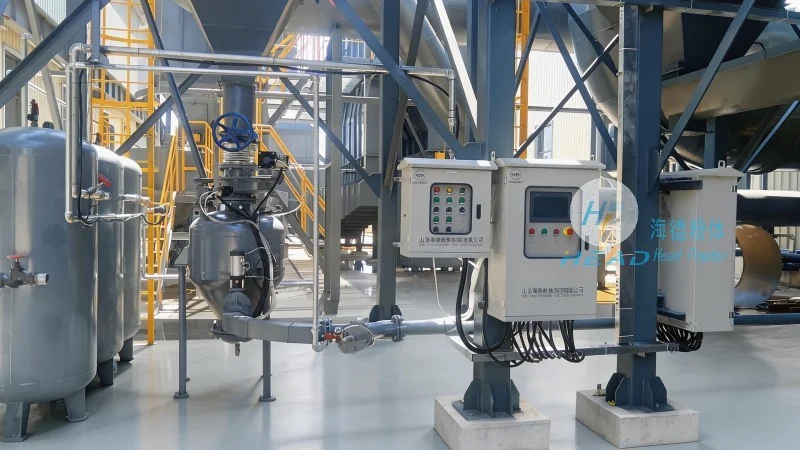
Advantages of Pneumatic Conveying for Sand and Gravel
Compared to traditional mechanical conveying methods, pneumatic systems offer several advantages for sand and gravel transport. These include the ability to handle materials with high moisture content, the flexibility to transport materials over long distances without the need for multiple transfer points, and the reduced risk of material contamination. Pneumatic conveying also minimizes the need for manual handling, enhancing workplace safety and operational efficiency. Furthermore, the system's modular design allows for easy expansion or modification as operational needs evolve, providing long-term value to the client.
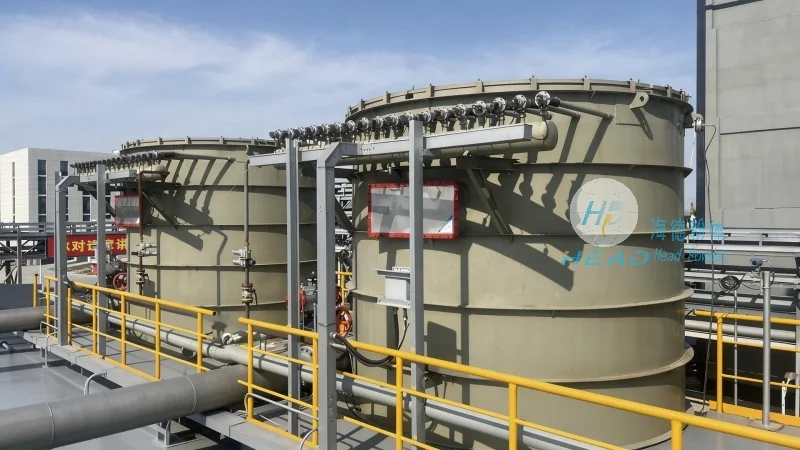
Applications and Industry Impact
Sand and gravel pneumatic conveying systems are widely used in the construction industry for transporting aggregates from stockpiles to batching plants, in mining operations for moving ore and waste materials, and in other industrial processes where bulk material handling is essential. The efficiency and reliability of these systems contribute to improved productivity and reduced operational costs in various sectors. HeadPowder's expertise in designing and implementing such systems ensures that clients receive solutions that are not only effective but also compliant with industry regulations and standards.
Conclusion
HeadPowder Engineering Co., Ltd. continues to be a trusted partner in the development of advanced pneumatic conveying systems for sand and gravel applications. By adhering to rigorous engineering principles and leveraging innovative technologies, the company provides systems that enhance operational efficiency, ensure material integrity, and support sustainable industrial practices. For businesses seeking reliable and efficient bulk material transport solutions, HeadPowder's expertise in pneumatic conveying technology offers a proven and effective approach.