

Types of Feed Conveying Methods: An Overview of the Advantages and Features of Pneumatic Feed Conveying
Feed handling and conveying are critical processes in the agricultural and animal feed industries. The choice of conveying method directly impacts operational efficiency, cost-effectiveness, and the overall quality of feed products. Traditional methods such as belt conveyors, screw conveyors, and bucket elevators have been widely used for decades. However, with the advancement of technology, pneumatic feed conveying has emerged as a preferred solution for many feed mills and processing facilities. This article explores the various feed conveying methods available and highlights the key advantages and features of pneumatic feed conveying, presented by Shandong HeadPowder Engineering Co., Ltd., a leading manufacturer based in Shandong, China.
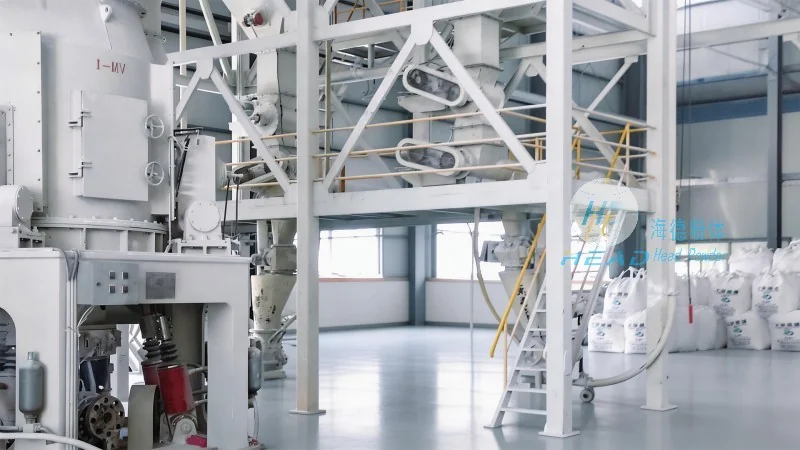
Common Feed Conveying Methods
Before delving into the specifics of pneumatic feed conveying, it is essential to understand the primary methods used for transporting feed materials. The most common approaches include:
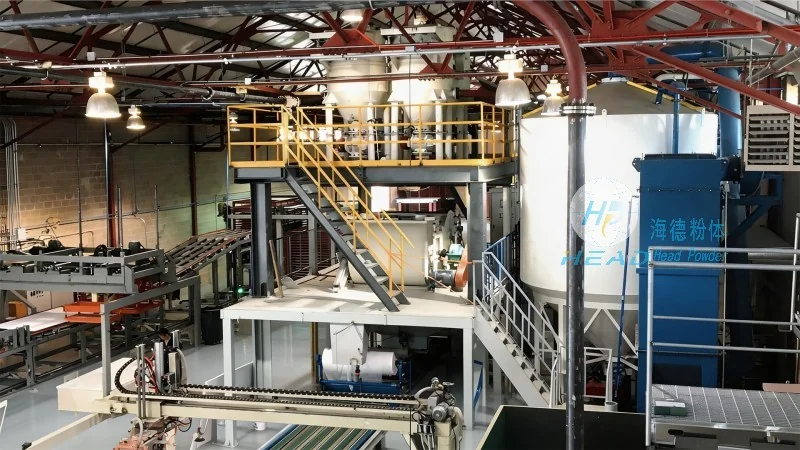
- Mechanical Conveyors: These systems utilize mechanical components like belts, screws, and buckets to move feed. Belt conveyors are suitable for horizontal or slight incline transport, while screw conveyors excel in vertical or inclined applications. Bucket elevators are ideal for vertical lifting of bulk materials.
- Hydraulic Conveying: This method uses hydraulic pressure to transport feed through pipes. It is less common due to higher maintenance requirements and limited flexibility in material handling.
- Pneumatic Conveying: As the focus of this article, pneumatic systems use air pressure to move feed particles through a pipeline. This method offers unique benefits that set it apart from traditional mechanical solutions.
The Advantages of Pneumatic Feed Conveying
Pneumatic feed conveying, also known as air conveying, leverages the power of compressed air to transport feed materials. The primary advantages of this technology include:
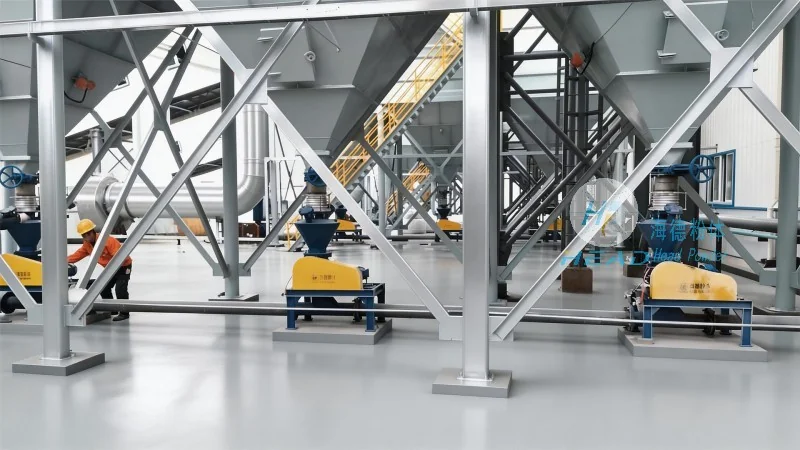
- High Efficiency and Speed: Pneumatic systems can transport feed at high velocities, significantly reducing the time required for material movement. This efficiency is particularly valuable in large-scale feed production facilities where rapid processing is essential.
- Low Maintenance and Longevity: Unlike mechanical conveyors that require regular lubrication and part replacement, pneumatic systems have fewer moving parts. This results in lower maintenance costs and longer operational lifespans, making them a cost-effective choice for long-term use.
- Flexibility and Versatility: Pneumatic conveying systems can be easily adapted to different feed types and processing requirements. They can handle a wide range of particle sizes and moisture contents, making them suitable for various feed ingredients such as grains, pellets, and powders.
- Reduced Material Damage: The gentle handling of feed particles in pneumatic systems minimizes breakage and degradation. This is crucial for maintaining the nutritional quality and market value of the feed, especially for high-value products like animal feed.
- Space Efficiency: Pneumatic systems can be installed in compact spaces, making them ideal for facilities with limited floor area. The ability to route pipelines vertically and horizontally allows for flexible layout designs without compromising performance.
Key Features of Pneumatic Feed Conveying Systems
Shandong HeadPowder Engineering Co., Ltd. specializes in designing and manufacturing advanced pneumatic feed conveying systems tailored to the specific needs of feed mills. The key features of their systems include:
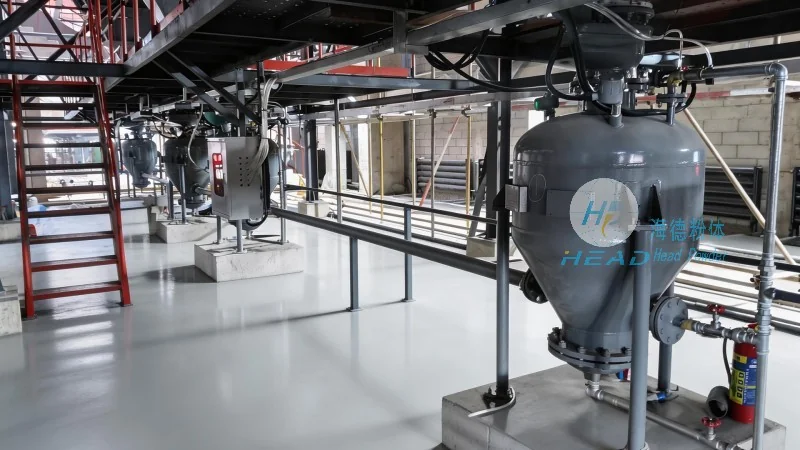
- Customizable Design: Each system is engineered to meet the unique requirements of the client, including feed type, capacity, and operational environment. This ensures optimal performance and efficiency.
- Advanced Control Systems: Modern pneumatic conveying systems incorporate sophisticated control technologies to regulate air pressure, flow rates, and material movement. This enhances operational precision and reduces the risk of system failures.
- Energy Efficiency: By optimizing air usage and minimizing energy consumption, HeadPowder's systems contribute to lower operational costs and reduced environmental impact.
- Robust Construction: The equipment is built with high-quality materials to withstand the demands of continuous feed processing. This ensures durability and reliability in demanding industrial environments.
Conclusion
Feed conveying is a critical aspect of feed production, and the choice of method directly impacts operational efficiency and product quality. While traditional mechanical conveyors remain relevant, pneumatic feed conveying offers significant advantages in terms of efficiency, flexibility, and material handling. Shandong HeadPowder Engineering Co., Ltd. provides innovative and reliable pneumatic feed conveying solutions that cater to the evolving needs of the feed industry. By leveraging advanced technology and custom design, their systems help feed mills achieve higher productivity, lower costs, and improved product quality.