

[YTITLE]Yeast Powder Conveying Methods: An Overview of the Advantages and Features of Pneumatic Conveying
Yeast powder is a critical ingredient in numerous industries, including food, beverage, and pharmaceutical manufacturing. The efficient and safe transportation of yeast powder from storage to processing lines is vital for maintaining product quality and operational efficiency. Traditional conveying methods such as screw conveyors or belt conveyors often present challenges when handling fine, light, or hygroscopic powders like yeast. This article explores the various conveying methods available for yeast powder and highlights the advantages of pneumatic conveying as a superior solution.
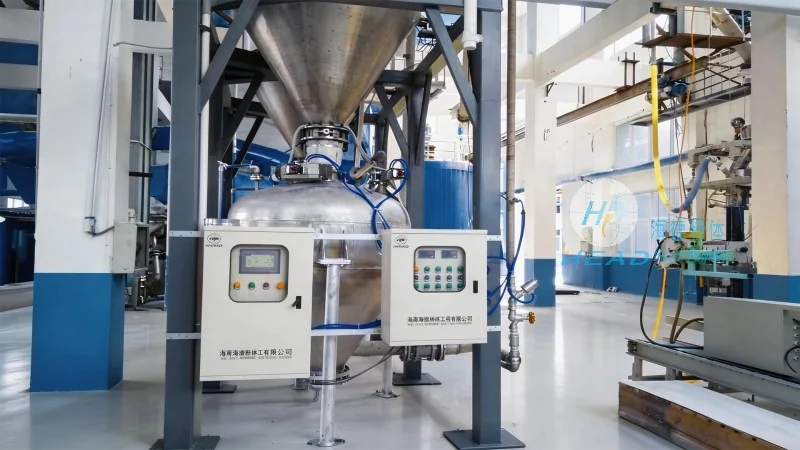
Common Conveying Methods for Yeast Powder
Screw conveyors are widely used in bulk material handling due to their simplicity and low cost. However, they are not ideal for fine powders like yeast because they can cause particle attrition and generate dust, which may compromise product purity. Belt conveyors, while effective for larger particles, struggle with the light and fine nature of yeast powder, often leading to material spillage and increased maintenance needs. These traditional methods may also introduce contamination risks, as they rely on physical contact with the material, which is undesirable in food-grade applications.
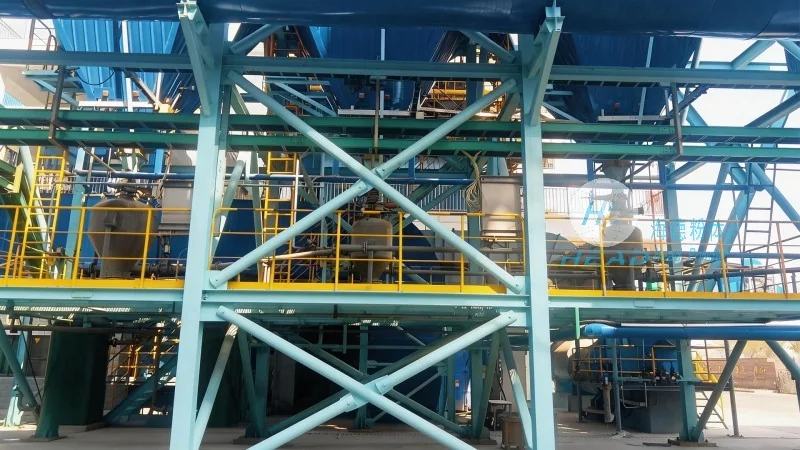
Pneumatic Conveying: A Superior Solution for Yeast Powder Handling
Pneumatic conveying, also known as air conveying, offers a non-contact, hygienic, and highly efficient method for transporting yeast powder. Unlike mechanical conveyors, pneumatic systems use air pressure to move the material through a pipeline, eliminating the need for physical contact. This feature significantly reduces the risk of contamination, making it suitable for food and pharmaceutical industries where product purity is paramount. The process involves creating a vacuum or pressure differential to draw or push the yeast powder through the system, ensuring a smooth and controlled flow. Pneumatic conveying systems can be designed in various configurations, including dilute-phase and dense-phase, each offering different advantages depending on the application requirements.
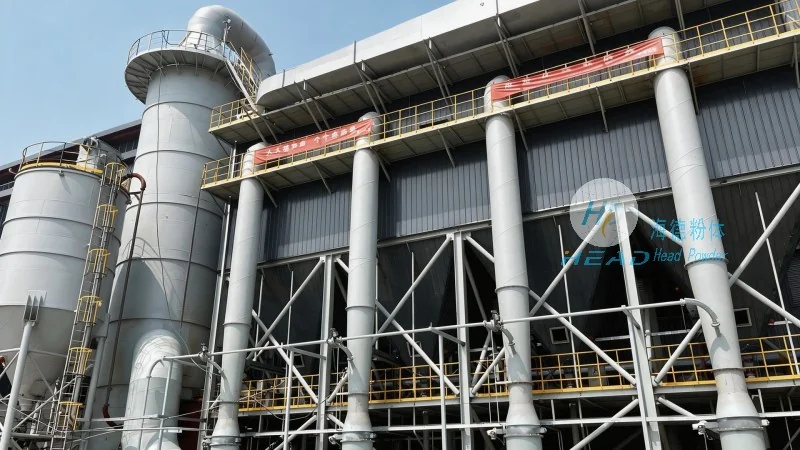
Key Advantages of Pneumatic Conveying for Yeast Powder
One of the primary advantages of pneumatic conveying for yeast powder is its ability to handle fine, light, and hygroscopic materials without causing degradation or dust generation. The non-contact nature of the system prevents particle attrition, preserving the quality and integrity of the yeast powder. Additionally, pneumatic systems are highly flexible, allowing for easy integration into existing production lines and the ability to convey materials over long distances without the need for multiple transfer points. This flexibility reduces the complexity of the conveying system and minimizes the risk of material buildup or blockages. Another key benefit is the hygienic design of modern pneumatic conveying equipment, which includes smooth surfaces, easy-to-clean components, and minimal dead zones, ensuring compliance with industry standards such as FDA and GMP. The ability to maintain a clean and controlled environment is crucial for yeast powder, as it is sensitive to moisture and contamination, which can affect its performance in fermentation processes.
How Shandong HeadPowder Engineering Co., Ltd. Enhances Pneumatic Conveying Solutions
Shandong HeadPowder Engineering Co., Ltd., a leading provider of bulk material handling solutions, specializes in designing and manufacturing advanced pneumatic conveying systems tailored to the unique needs of yeast powder applications. With years of experience in the industry, the company understands the challenges associated with handling fine, hygroscopic powders and has developed innovative solutions to address these issues. HeadPowder Engineering's pneumatic conveying systems are engineered to provide high efficiency, low maintenance, and reliable performance, ensuring consistent and safe transportation of yeast powder from storage to processing equipment. The company's expertise in material flow dynamics and system integration allows for the optimization of conveying parameters, such as air velocity and pressure, to achieve the best possible results for each application. By leveraging advanced technology and rigorous quality control, HeadPowder Engineering ensures that its pneumatic conveying solutions meet the highest standards of performance and hygiene, providing customers with a reliable and efficient means of handling yeast powder.
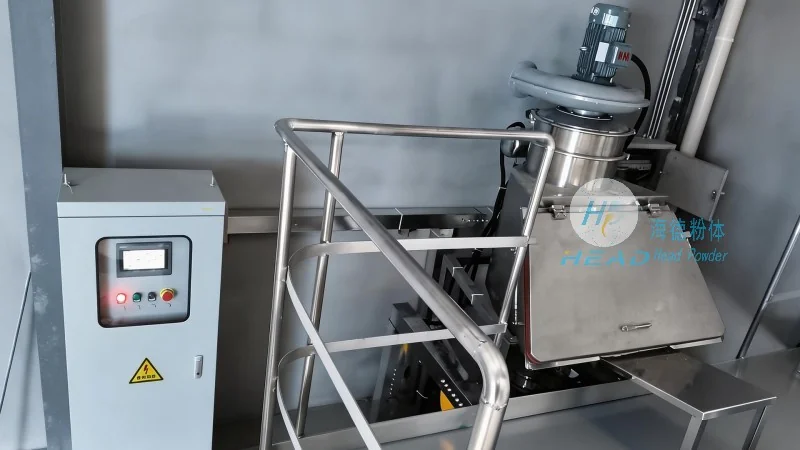
Conclusion: The Future of Yeast Powder Conveying
As the demand for high-quality yeast powder continues to grow in various industries, the importance of efficient and reliable conveying methods cannot be overstated. Pneumatic conveying, with its numerous advantages over traditional mechanical methods, has emerged as the preferred choice for handling yeast powder. By leveraging the expertise of companies like Shandong HeadPowder Engineering Co., Ltd., manufacturers can ensure that their yeast powder is transported safely, hygienically, and efficiently, maintaining product quality and operational excellence. The future of yeast powder conveying lies in the continued development of advanced pneumatic systems that can adapt to evolving industry needs, providing sustainable and effective solutions for bulk material handling.