

Common Flour Conveying Methods: An Overview of Pneumatic Flour Conveying Systems
For businesses in the flour processing industry, selecting the right conveying method is crucial for efficiency, cost-effectiveness, and product quality. Among the various options available, pneumatic flour conveying stands out as a versatile and efficient solution. This article explores common flour conveying methods, with a focus on the advantages and applications of pneumatic systems, as offered by Shandong HeadPowder Engineering Co., Ltd., a leading provider in the field.
Understanding Flour Conveying Systems
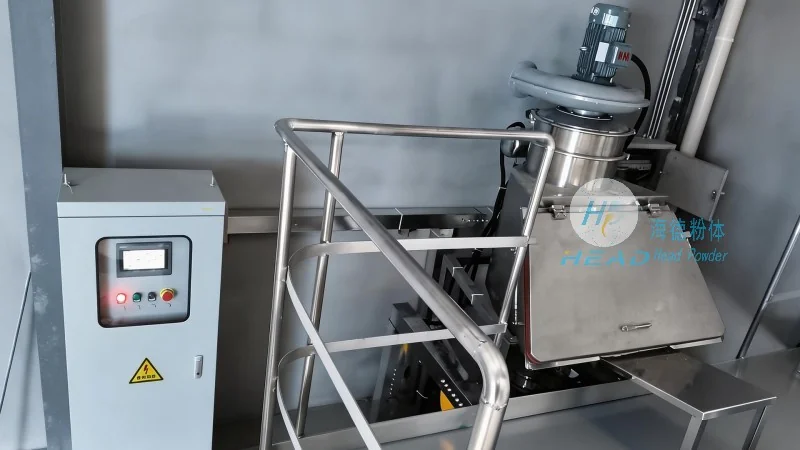
Flour conveying involves the movement of bulk materials from one location to another within a processing facility. The choice of system depends on factors such as the type of flour, production volume, space constraints, and operational requirements. Traditional methods include gravity-based systems, mechanical conveyors, and more advanced pneumatic solutions. Each method has its own set of advantages and limitations, making it essential to evaluate them based on specific operational needs.
Pneumatic Flour Conveying: A Comprehensive Overview
Pneumatic flour conveying, also known as air conveying, uses compressed air to transport flour and other fine powders through a network of pipes. This method is particularly effective for handling delicate materials like flour, as it minimizes product degradation and contamination. The system typically consists of a blower, a hopper, and a series of pipes with inlets and outlets. As flour is drawn into the system by the air flow, it is transported to the desired destination, such as silos, storage tanks, or processing equipment. One of the key benefits of pneumatic conveying is its ability to handle both horizontal and vertical movements, making it suitable for complex layouts in flour mills.
Advantages of Pneumatic Flour Conveying
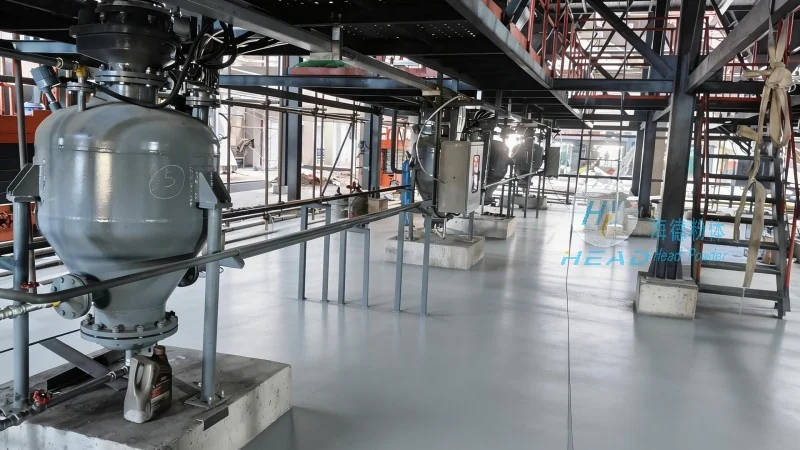
Compared to traditional mechanical conveyors, pneumatic systems offer several advantages. Firstly, they are highly efficient in terms of energy consumption, as the air flow can be precisely controlled to match the conveying requirements. This results in lower operational costs over time. Secondly, pneumatic conveying is gentle on the product, preserving its quality and preventing agglomeration or breakage. This is especially important for flour, which can easily clump together if handled roughly. Additionally, the system is compact and can be installed in tight spaces, making it ideal for facilities with limited floor area. The flexibility of pneumatic systems also allows for easy integration with existing equipment and processes, reducing the need for major infrastructure changes.
Applications in Flour Processing
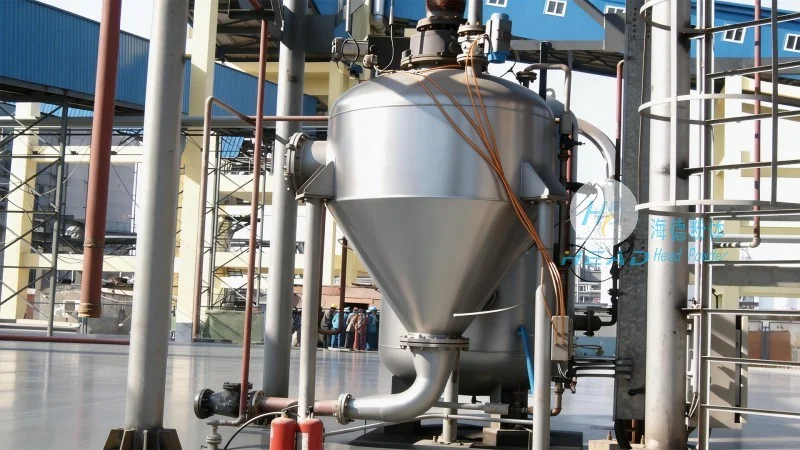
Pneumatic flour conveying is widely used in various stages of flour production. In the initial stages, it can transport raw wheat or other grains from storage to grinding equipment. During the milling process, it moves ground flour from the mill to storage silos or packaging lines. The system is also effective for transferring flour between different processing units, such as from the grinding department to the sifting and blending areas. Furthermore, pneumatic conveying can be used for cleaning and maintenance purposes, as the air flow can help remove dust and debris from the system, ensuring optimal performance and hygiene.
Choosing the Right Conveying System for Your Business
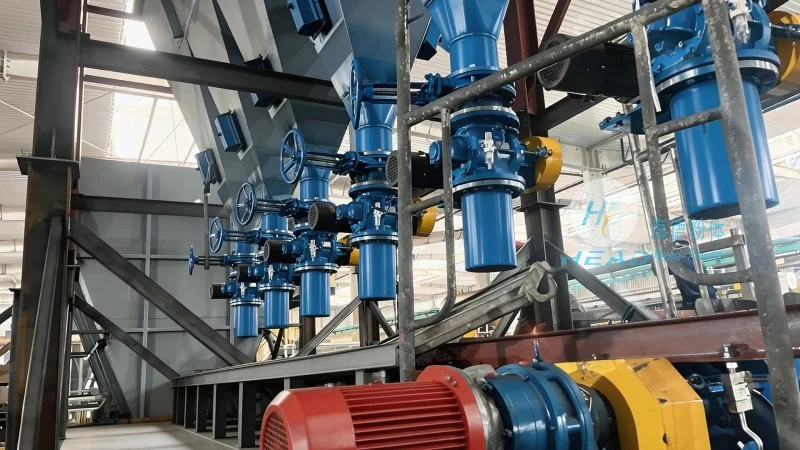
When selecting a flour conveying system, it is essential to consider the specific characteristics of your operation. For high-volume production with complex layouts, pneumatic conveying may be the most suitable option due to its efficiency and flexibility. However, for smaller operations with simpler requirements, traditional mechanical systems might be more cost-effective. It is also important to evaluate the maintenance requirements and long-term costs associated with each system. Consulting with a reputable provider like Shandong HeadPowder Engineering Co., Ltd. can help businesses make an informed decision based on their unique needs and budget constraints.
Conclusion
Flour conveying is a critical aspect of the flour processing industry, and the choice of system can significantly impact operational efficiency and product quality. Pneumatic flour conveying, with its advanced technology and numerous benefits, is a reliable solution for modern flour mills. By understanding the different conveying methods and their applications, businesses can select the most appropriate system to meet their production goals. Shandong HeadPowder Engineering Co., Ltd. offers a range of pneumatic flour conveying solutions tailored to the specific needs of flour processing facilities, ensuring optimal performance and cost-effectiveness.