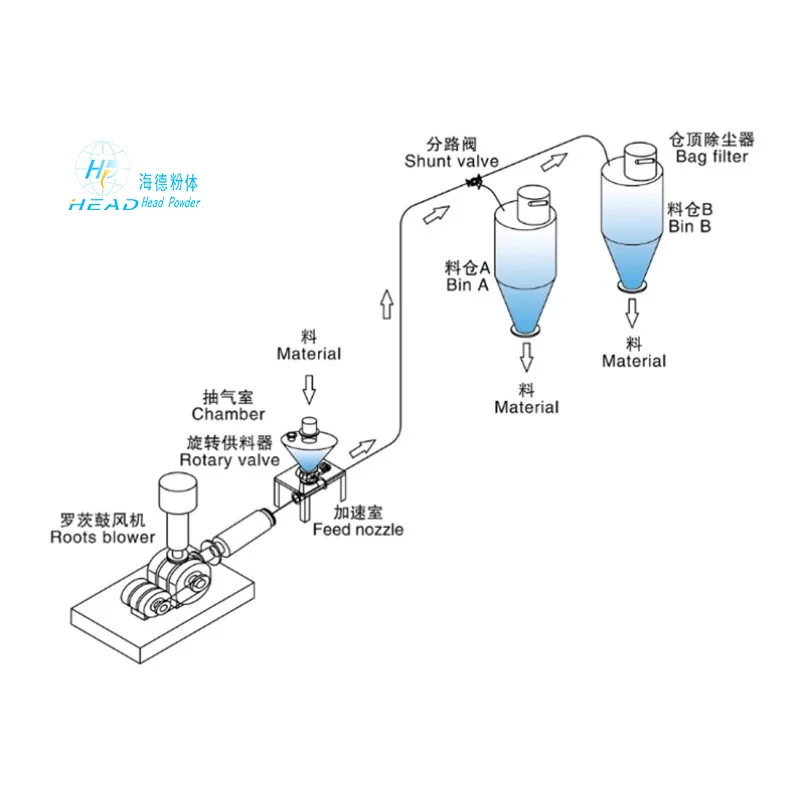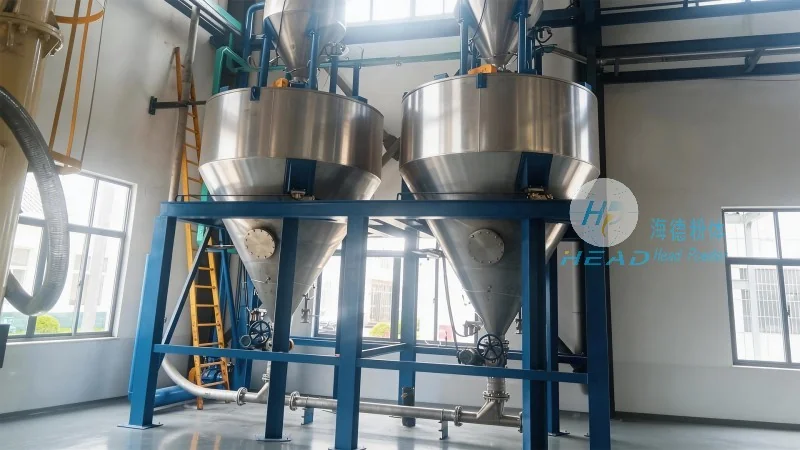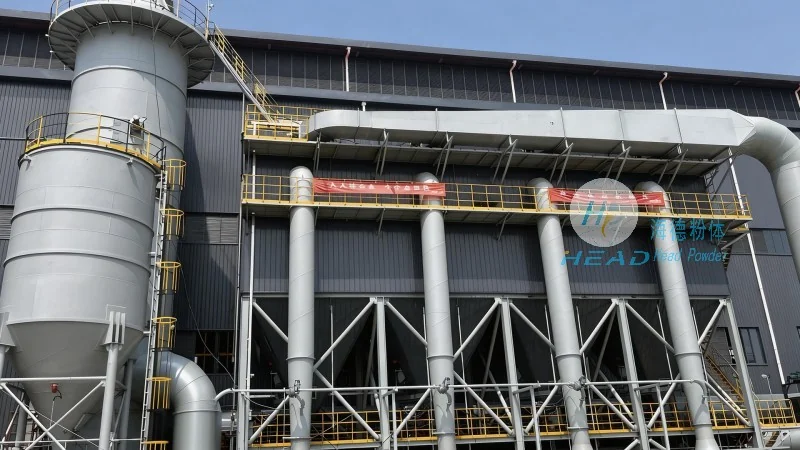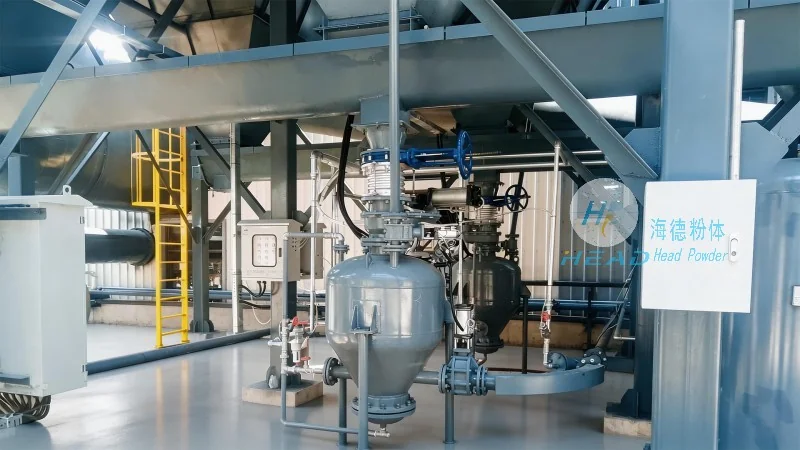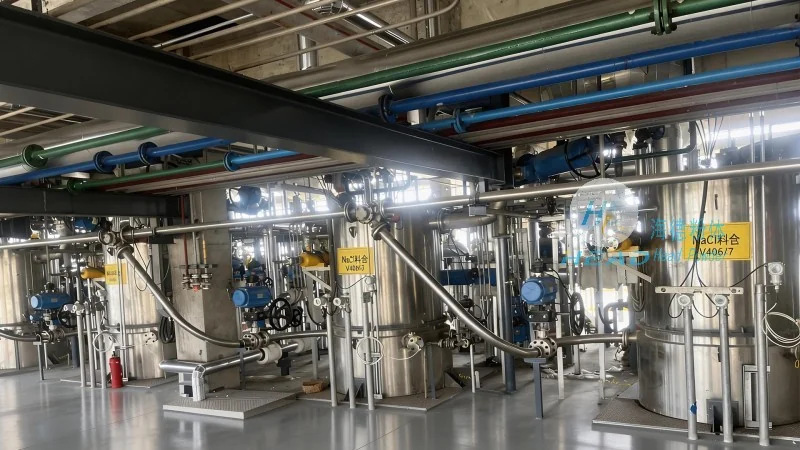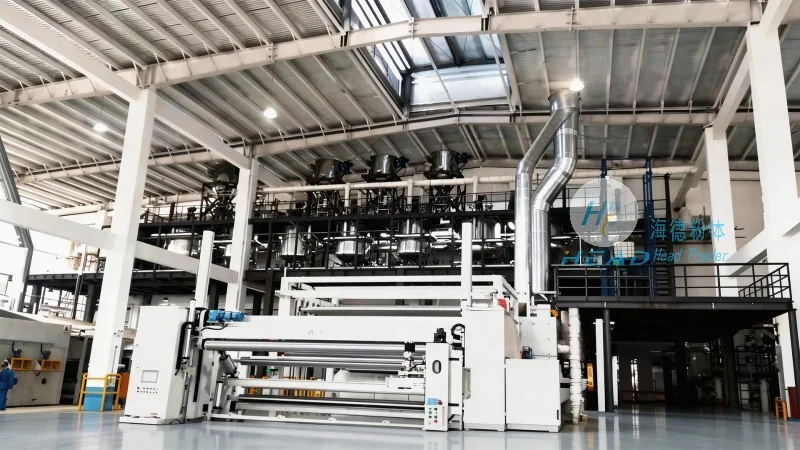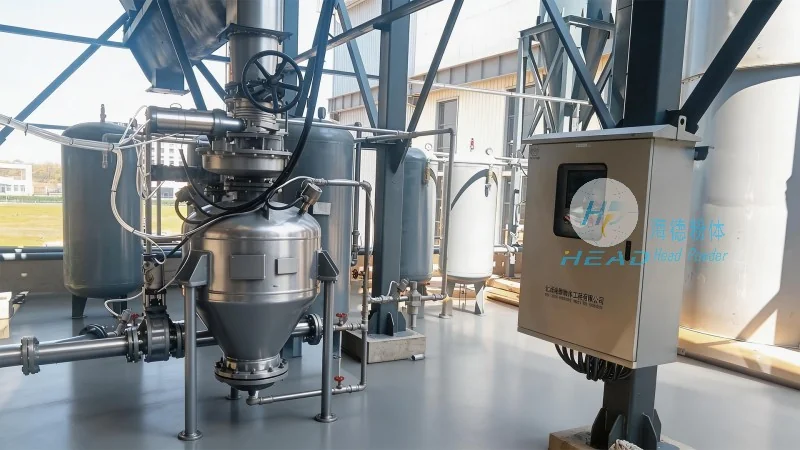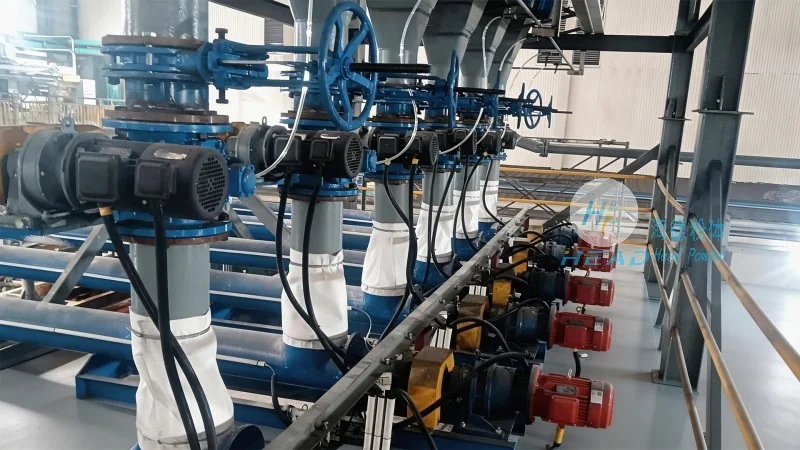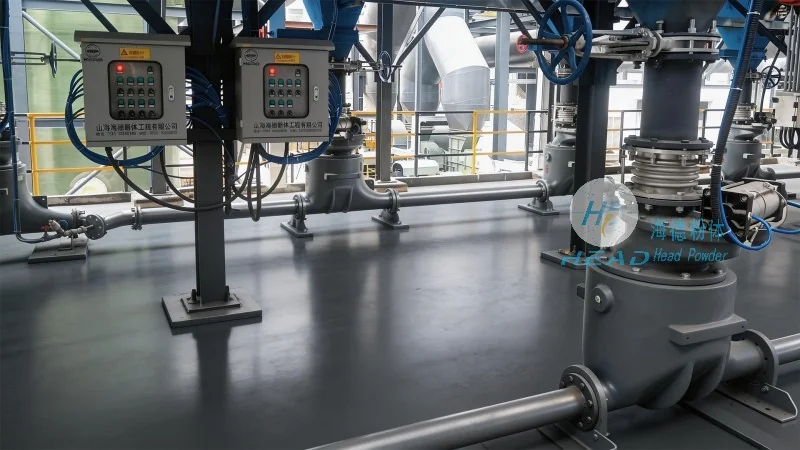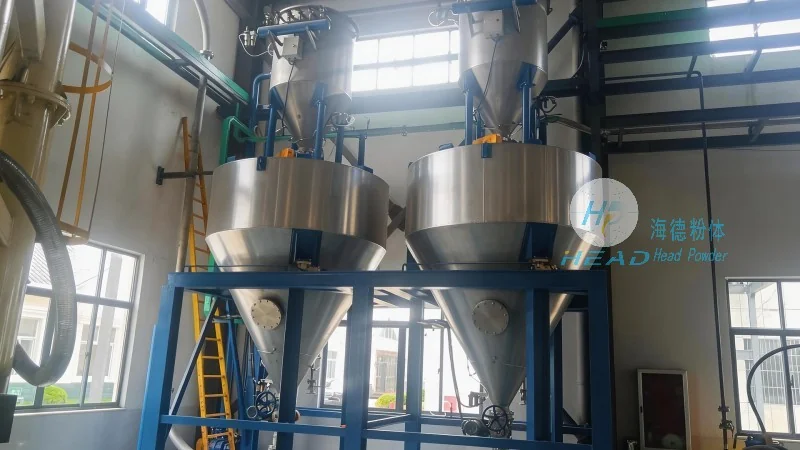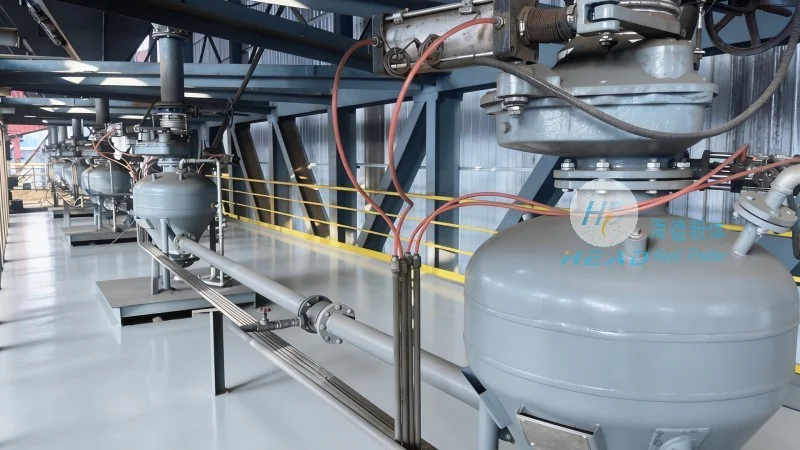
Pressure conveying pneumatic conveying, also known as dense phase pneumatic conveying or positive pressure conveying, is a highly efficient bulk material handling technology widely used in industries such as chemical, food, pharmaceutical, building materials, and mining. The system operates by using compressed air or inert gas to push materials through a closed pipeline from a feed point to a destination. Unlike vacuum conveying, pressure conveying works at higher pressure differentials, typically between 0.1 and 0.7 MPa, allowing for longer conveying distances, higher capacities, and the ability to handle fragile or abrasive materials with minimal degradation. This technology is particularly suitable for powders, granules, flakes, and pellets that require gentle handling and dust-free transportation. The core principle involves a pressure vessel (blow tank) that pressurizes the material before injecting it into the pipeline, ensuring steady flow and preventing blockages. The system is designed to optimize energy consumption, reduce maintenance needs, and provide reliable operation in harsh environments. For any industrial facility looking to upgrade its material handling processes, implementing a pressure conveying pneumatic conveying solution can significantly improve productivity and safety.
One of the standout features of pressure conveying pneumatic conveying is its ability to transport materials over long distances—often exceeding 500 meters—without significant loss of flow rate or material quality. The closed-loop design eliminates dust emission, reduces product contamination, and protects workers from hazardous airborne particles. Additionally, the system requires minimal moving parts, which translates to lower maintenance costs and longer service life compared to mechanical conveyors such as belt or screw conveyors. The conveying speed can be precisely controlled by adjusting the air pressure and flow rate, making it ideal for materials that are sensitive to impact or heat. Another advantage is the flexibility of routing: pipelines can be installed horizontally, vertically, or at any angle, adapting to existing plant layouts without major structural modifications. The pressure conveying pneumatic conveying system also supports multiple feed points and multiple discharge points, enabling complex material distribution networks. Moreover, the system can be fully automated, integrating with existing PLC and SCADA systems for real-time monitoring and control. These benefits make pressure conveying pneumatic conveying a cost-effective and sustainable choice for modern manufacturing operations.
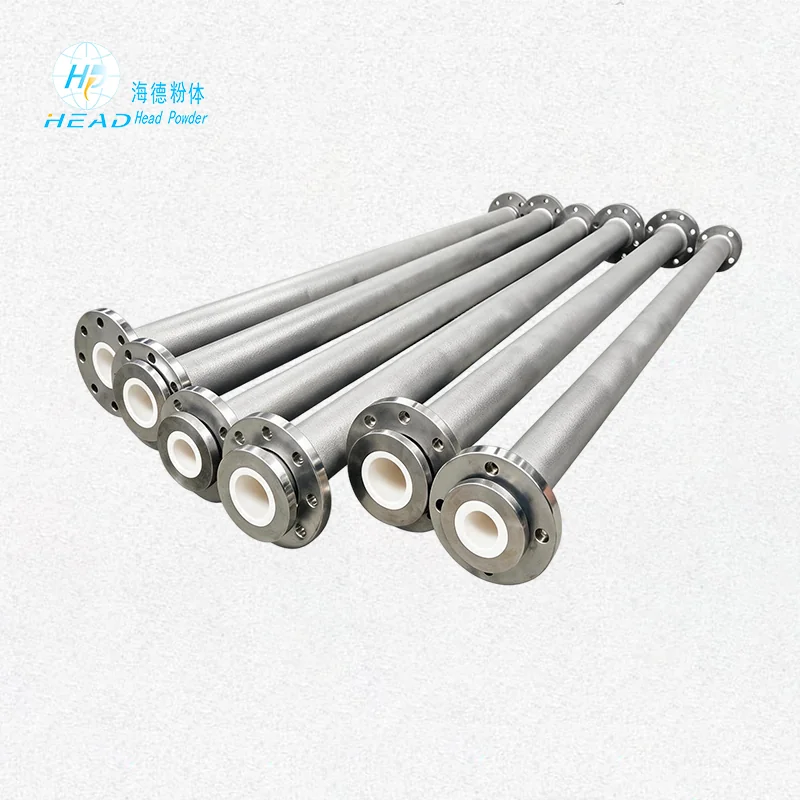
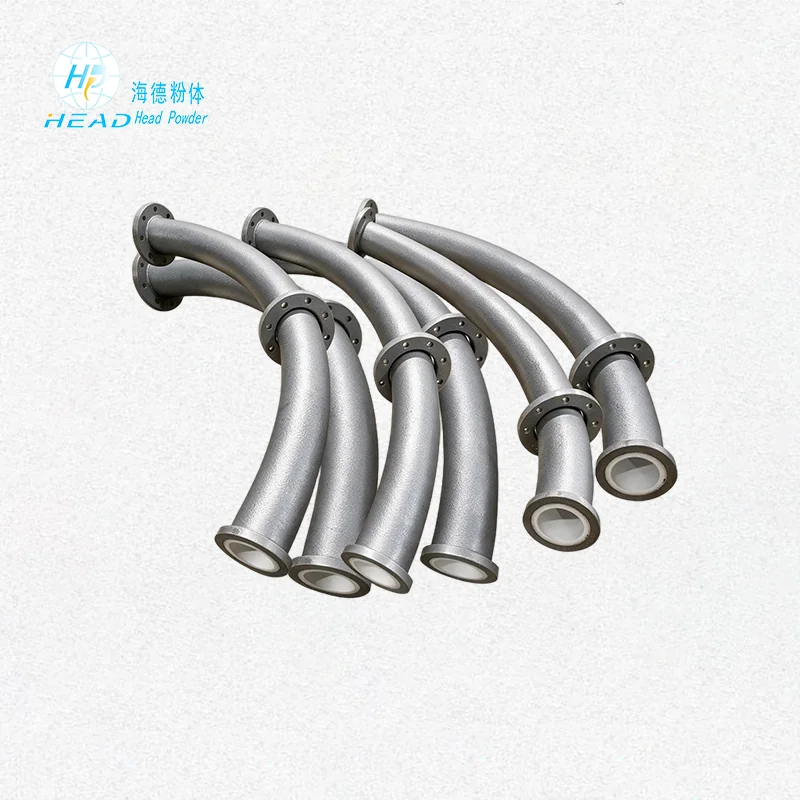
Pressure conveying pneumatic conveying systems are employed in a wide variety of sectors. In the chemical industry, they handle fine powders like silica, titanium dioxide, and carbon black; in the food industry, they transport flour, sugar, starch, and spices; in the pharmaceutical industry, they move active ingredients, excipients, and granules; and in the building materials sector, they convey cement, fly ash, lime, and gypsum. The system is also used in coal power plants for pulverized coal injection, in metal processing for shot blasting media, and in recycling facilities for plastic pellets and rubber granules. The versatility of pressure conveying pneumatic conveying arises from the ability to adjust air-to-material ratios, pipe diameters, and pressure levels to match the specific properties of each material, such as particle size, density, moisture content, and flowability. For example, sticky or cohesive materials may require aeration or vibration assistance, while abrasive materials call for wear-resistant pipe linings. Engineers can design custom solutions that meet strict hygiene standards, explosion-proof requirements, or high-temperature tolerance. By choosing a reliable pressure conveying pneumatic conveying system, businesses can achieve consistent product quality, reduce waste, and improve overall operational efficiency.
Selecting a reputable pressure conveying pneumatic conveying manufacturer is crucial to ensure the system's performance, durability, and compliance with safety regulations. A qualified manufacturer should offer comprehensive services including site assessment, system design, fabrication, installation, commissioning, and after-sales support. They should also provide detailed documentation such as piping and instrumentation diagrams, pressure vessel certifications, and performance test reports. When evaluating potential suppliers, consider their experience in your specific industry, their track record of successful installations, and the quality of their components—such as blow tanks, rotary valves, diverter valves, filters, and control panels. The price of a pressure conveying pneumatic conveying system depends on factors like conveying distance, capacity, material type, degree of automation, and pipe material. Typically, a basic system may start in the tens of thousands of dollars, while a complex, high-capacity custom solution can exceed hundreds of thousands. It is recommended to request quotes from multiple pressure conveying pneumatic conveying manufacturers and compare their offerings based on total cost of ownership, not just initial purchase price. Also, verify that the manufacturer provides clear warranty terms and readily available spare parts.
For inquiries about pressure conveying pneumatic conveying systems, including technical specifications, custom designs, or pricing details, you can reach out to the professional team at Haide Powder. The company, formally known as Shandong Haide Powder Engineering Co., Ltd., is based in Shandong, China, and has extensive experience in supplying high-quality pneumatic conveying equipment to clients worldwide. The dedicated contact person is Manager Zhang, who can be reached by phone at 15662777102. Whether you need a standard pressure conveying pneumatic conveying unit or a fully integrated material handling system, the team at Haide Powder is ready to provide expert guidance and support. Do not hesitate to call 15662777102 to discuss your project requirements and receive a tailored solution that meets your operational needs and budget. The company's commitment to innovation and customer satisfaction ensures that every pressure conveying pneumatic conveying system delivered performs reliably under demanding conditions.
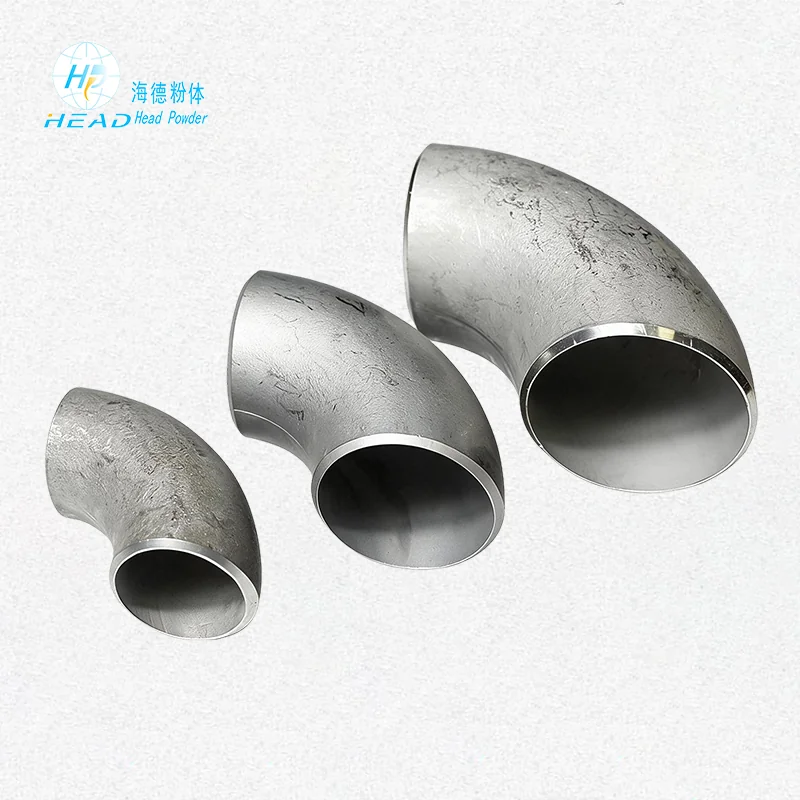
To maximize the lifespan and efficiency of a pressure conveying pneumatic conveying system, regular maintenance is essential. Key maintenance tasks include inspecting and cleaning the blow tank, checking for wear in the pipeline elbows and bends, replacing filter elements in the dust collector, and verifying the accuracy of pressure sensors and flow meters. The air compressor and dryer units should also be serviced according to the manufacturer's schedule to maintain consistent air quality and pressure. One common issue in pressure conveying pneumatic conveying is pipeline blockage, which can be prevented by controlling the material moisture content, using appropriate air velocity, and installing blow-off valves at strategic points. Additionally, periodic calibration of the control system ensures that the conveying parameters remain optimized for the current material characteristics. Many modern systems come with advanced diagnostic features that alert operators to potential problems before they cause downtime. By partnering with an experienced pressure conveying pneumatic conveying manufacturer like Haide Powder, customers can access training programs, remote monitoring services, and on-site technical support. For any maintenance concerns or performance optimization needs, contact Manager Zhang at 15662777102 for prompt assistance. Investing in proper maintenance not only extends equipment life but also reduces energy consumption and operational costs over the long term.
Shandong Headpowder Engineering Co., Ltd.
156-6277-7102(Manager Zhang)
0531-83386006
Jinan City, Shandong Province, China 
telephone
WeChatconsult
top