Shandong Headpowder Engineering Co., Ltd. specializes in powder & pellet pneumatic conveying. With industry‑university‑research strengths, we deliver sealed, dust‑free and precise conveying solutions.
Your current position:首页 >> Products >> Pneumatic Conveying Equipment
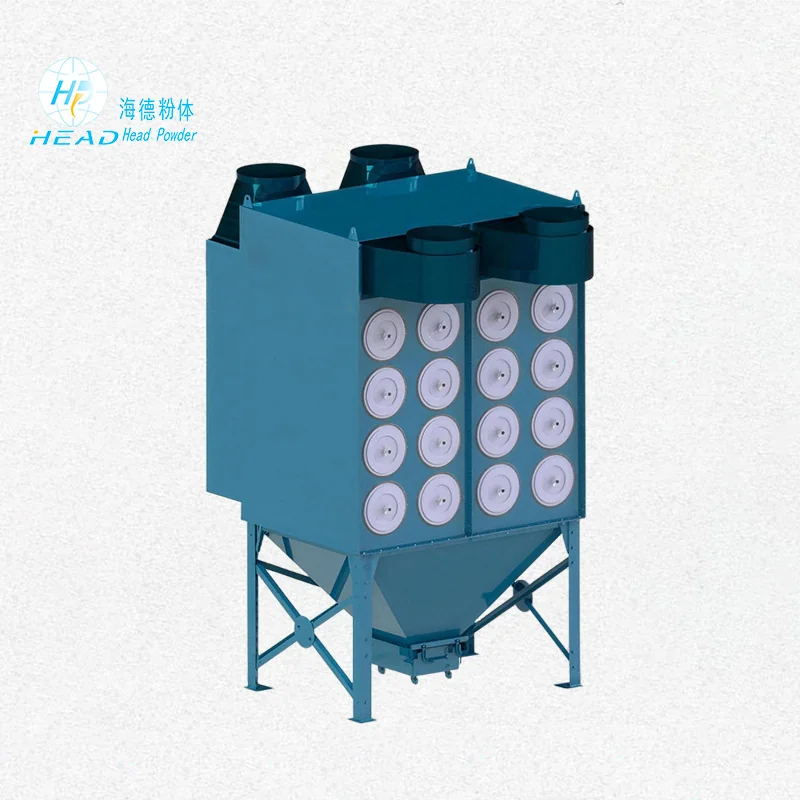
Combined dust collector
简介:
  • Combined dust collectors represent a sophisticated solution for industrial air pollution control, in
WeChat
introduce
product
case

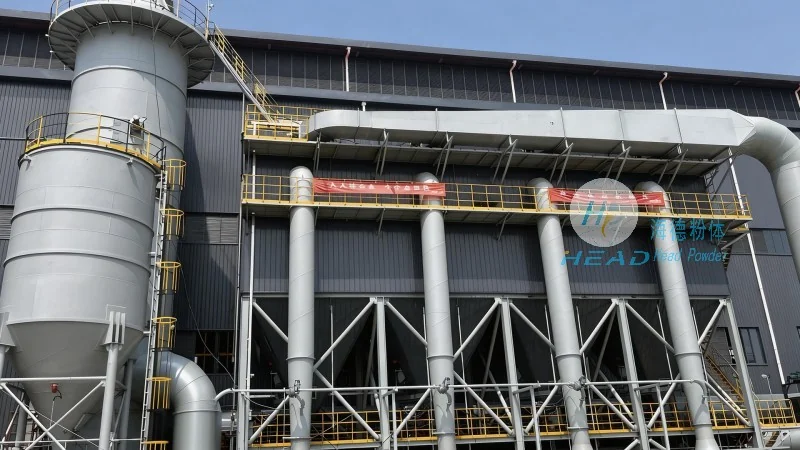
Combined dust collectors represent a sophisticated solution for industrial air pollution control, integrating multiple filtration mechanisms into a single, compact unit. These systems are engineered to handle high volumes of particulate-laden air, delivering superior separation efficiency across a wide range of particle sizes. The core principle of a combined dust collector involves the sequential application of different dust removal technologies, such as cyclone separation, bag filtration, and electrostatic precipitation, all housed within one integrated structure. This design not only saves valuable floor space but also reduces pressure drop and energy consumption compared to traditional standalone units. By combining the strengths of each technology, the combined dust collector achieves a consistently low outlet dust concentration, often meeting the most stringent environmental regulations. Industries such as cement, chemical processing, food production, and metalworking widely adopt these systems for their reliability and adaptability. The selection of an appropriate combined dust collector depends on factors like dust characteristics, gas temperature, humidity, and required filtration efficiency. Modern units feature advanced control systems that automatically adjust cleaning cycles and airflow, ensuring optimal performance and minimal maintenance intervention. For any facility seeking to upgrade its dust control infrastructure, understanding the operational benefits and technical specifications of a combined dust collector is the first step toward a cleaner, safer work environment.

Combined dust collector

What Is a Combined Dust Collector and How Does It Work?

A combined dust collector is a multi-stage air filtration device that employs two or more distinct dust collection mechanisms in series. Typically, the first stage uses inertial separation, such as a cyclone, to remove coarse particles, while the second stage utilizes a high-efficiency fabric filter or cartridge filter to capture fine dust. Some advanced configurations integrate a wet scrubber or electrostatic precipitator as a third stage for sticky or submicron particulates. The airflow enters the unit through a tangential inlet, creating a centrifugal force that throws heavier particles against the outer wall, where they slide down into a hopper. The partially cleaned air then passes through filter bags or pleated cartridges, where remaining dust is trapped on the media surface. Periodic reverse-pulse cleaning dislodges the accumulated cake, allowing it to fall into the collection bin. This combined approach ensures that the final emissions meet even the strictest permissible limits. The combined dust collector is particularly effective for applications where dust loading varies widely, as the pre-separation stage prevents overloading of the fine filter, extending its service life. Moreover, the system's compact footprint makes it ideal for retrofit projects where space is at a premium. By understanding the operational sequence, plant engineers can better optimize the system for their specific process conditions, whether it involves high-temperature gases, abrasive particles, or hygroscopic materials.

Why Choose a Reliable Dust Collector Manufacturer?

Partnering with a reputable dust collector manufacturer is crucial to ensuring long-term performance, energy efficiency, and compliance with environmental regulations. A professional manufacturer not only provides high-quality equipment but also offers comprehensive engineering support, from system design to installation and commissioning. When evaluating a dust collector manufacturer, experience in your specific industry is a key factor. For instance, a manufacturer with deep knowledge of cement kiln applications will understand the unique challenges of high-temperature, corrosive gases. Similarly, a manufacturer specializing in food-grade dust collection will design systems that meet strict hygiene standards. The best manufacturers conduct thorough dust characterization tests, including particle size distribution, moisture content, and explosibility, to recommend the most suitable combined dust collector configuration. They also provide detailed performance guarantees, such as outlet emission levels below 10 mg/Nm³, and offer after-sales services like spare parts availability, remote monitoring, and preventive maintenance programs. Choosing a local dust collector manufacturer, such as one based in China Shandong, can reduce lead times and shipping costs while ensuring prompt on-site support. Many top-tier manufacturers now incorporate IoT-enabled sensors and predictive analytics into their systems, allowing real-time tracking of filter condition, pressure drop, and fan speed. This data-driven approach helps facility managers schedule maintenance proactively, minimizing unplanned downtime. Ultimately, the right dust collector manufacturer becomes a strategic partner in your environmental compliance journey, delivering not just a product but a complete solution tailored to your operational needs.

Understanding Dust Collector Price Factors

The dust collector price varies significantly based on several key parameters, and a transparent pricing model helps buyers make informed decisions. The most influential factor is the system's airflow capacity, measured in cubic meters per hour (m³/h). Larger units require bigger fans, more filter media, and heavier structural supports, which directly increase the cost. The type of filtration media—whether standard polyester felt, PTFE membrane, or high-temperature Nomex—also affects the dust collector price. High-efficiency media with special coatings or anti-static properties command a premium but offer better performance and longer replacement intervals. The number of filter bags or cartridges, the cleaning mechanism (pulse-jet vs. reverse-air), and the material of construction (carbon steel, stainless steel, or corrosion-resistant alloys) are additional cost drivers. For a combined dust collector, the integration of multiple stages adds complexity, which may increase the initial investment compared to a single-stage unit. However, the total cost of ownership often favors the combined design because of lower energy consumption and reduced maintenance frequency. Buyers should also consider installation costs, including ductwork, foundation, and electrical connections. Some manufacturers offer modular designs that simplify on-site assembly, lowering labor expenses. When comparing quotes, ask for a detailed breakdown covering the dust collector price, shipping, taxes, and any optional features like explosion vents, rotary valves, or silencers. Remember that the cheapest option may not be the most economical in the long run if it leads to frequent downtime or high replacement part costs. A reputable manufacturer will provide a clear value proposition, highlighting how their dust collector price aligns with the expected service life and operational savings. For a precise estimate, contact a professional supplier like Haide Powder, which can customize a combined dust collector to your exact specifications and budget.

Key Features of Haide Powder Combined Dust Collectors

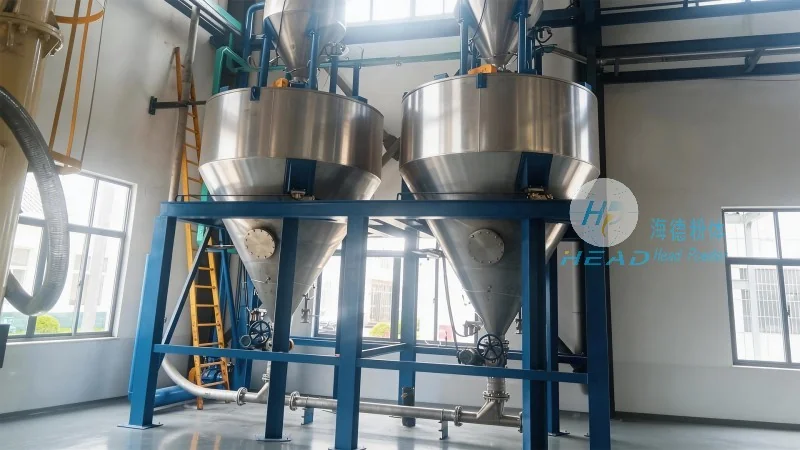
Haide Powder, also known as Shandong Haide Powder Engineering Co., Ltd., is a distinguished manufacturer of combined dust collectors based in China Shandong. The company's systems are designed with a focus on high efficiency, low energy consumption, and easy maintenance. One standout feature is the advanced pulse-jet cleaning system, which uses compressed air to dislodge dust from filter bags without interrupting the airflow. This ensures a stable pressure drop and consistent emission performance. The filter bags are made from premium materials that resist abrasion, chemical attack, and high temperatures, making them suitable for demanding applications such as coal grinding, biomass combustion, and metal smelting. The housing of the combined dust collector is fabricated from heavy-gauge steel with welded seams to prevent air leakage, and the interior surfaces are treated with anti-corrosion coatings. An integrated pre-separator, often a cyclone or settling chamber, extends the life of the fine filter by removing large particles first. The discharge system includes a rotary airlock valve or a screw conveyor for continuous dust removal, with an optional bin level indicator to alert operators when the collection hopper is full. Haide Powder also offers customized solutions, such as explosion-proof designs for combustible dust, high-temperature versions for gases up to 280°C, and waterproof modifications for outdoor installations. Every unit undergoes rigorous quality testing, including pressure testing, flow balancing, and emission measurement, before leaving the factory. With years of experience in the field, Haide Powder has earned a reputation for reliability and innovation. If you are looking for a dust collector that combines robust construction with cutting-edge technology, the Haide Powder combined dust collector is a smart investment.

Applications and Benefits of Combined Dust Collectors in Industry

Combined dust collectors are versatile machines that serve a wide array of industrial sectors. In the woodworking industry, they capture sawdust, shavings, and sanding dust, protecting workers from respiratory hazards and reducing fire risk. In the pharmaceutical sector, these systems handle fine powders that must be contained to prevent cross-contamination. The combined dust collector is also widely used in the mining and quarrying industry for crushing, screening, and conveying operations, where heavy dust loads are common. Another key application is in the chemical industry, where reactive or toxic dusts require absolute containment. The modular design of many combined dust collectors allows them to be easily integrated into existing ductwork and process lines. The benefits go beyond regulatory compliance: cleaner air leads to improved operator morale, fewer equipment breakdowns, and higher product quality. By capturing valuable dust, such as metal powders or food ingredients, some facilities can even recover and recycle materials, offsetting the initial dust collector price. Energy efficiency is another major advantage, as the combined design reduces the total fan power required compared to a series of separate units. Additionally, the reduced footprint frees up space for other production equipment. For any industrial operation seeking to enhance its environmental performance, the combined dust collector from a trusted dust collector manufacturer like Haide Powder represents a practical, cost-effective solution. To learn more about how a combined dust collector can benefit your specific process, please contact our sales manager, Mr. Zhang, at 15662777102. Our team is ready to provide detailed technical support and a customized quotation.

How to Select the Right Combined Dust Collector for Your Facility

Selecting the optimal combined dust collector involves a systematic assessment of your process parameters and operational goals. Start by determining the total airflow required, which is based on the number of dust generation points, hood types, and transport velocities. Next, analyze the dust properties: particle size distribution, density, shape, abrasiveness, and moisture content. Highly abrasive dust may require a wear-resistant cyclone liner, while sticky dust might need a non-stick membrane on the filter bags. Temperature and humidity also play a critical role; for high-temperature gases, you may need a heat exchanger or a high-temperature filter media. The combined dust collector's pre-separation stage should be sized to handle the bulk of the coarse particles, reducing the load on the fine filter. Consider the required emission limit; if your local regulations demand less than 5 mg/Nm³, you will need a high-efficiency filter with a low air-to-cloth ratio. Also evaluate the available space for the unit, including clearances for maintenance and dust removal. Ductwork layout should minimize bends and long runs to reduce pressure loss. Finally, think about future expansion: a modular combined dust collector allows you to add additional filter modules or fans as your production capacity grows. Once you have gathered these data, consult with a reputable dust collector manufacturer that can provide computer simulations and performance curves. For a tailored recommendation, reach out to Mr. Zhang at 15662777102. A professional vendor will help you balance the dust collector price against long-term operating costs, ensuring you get the best value for your investment. With the right selection, your combined dust collector will deliver decades of reliable service, keeping your facility clean and compliant.

Copyright © Shandong Headpowder Engineering Co., Ltd. All Rights Reserved.    Publicity of business license

top