

[Foam Powder Pneumatic Conveying: How to Efficiently Transport Powder Particulate Materials with Air
Efficient material handling is a critical factor in many industrial processes, particularly when dealing with powder and particulate materials. Traditional methods often face challenges such as blockages, dust emissions, and energy inefficiencies. Foam powder pneumatic conveying offers a sophisticated solution to these issues, leveraging advanced technology to transport powders with high efficiency and minimal environmental impact. This article explores the principles and applications of foam powder pneumatic conveying, highlighting how it revolutionizes the way industries handle fine materials.
Understanding Foam Powder Pneumatic Conveying Technology
Foam powder pneumatic conveying is a specialized form of pneumatic transport that uses a mixture of air and foam to move powder materials. Unlike conventional pneumatic conveying systems that rely solely on air, this method incorporates a foam medium, which significantly enhances the conveying capacity and reduces the risk of material degradation. The foam, typically generated by mixing air with a liquid surfactant, creates a stable, low-density medium that can carry large volumes of powder with minimal pressure drop. This technology is particularly effective for handling delicate or abrasive powders, as it minimizes friction and impact during transport.
The Core Components and Working Principle
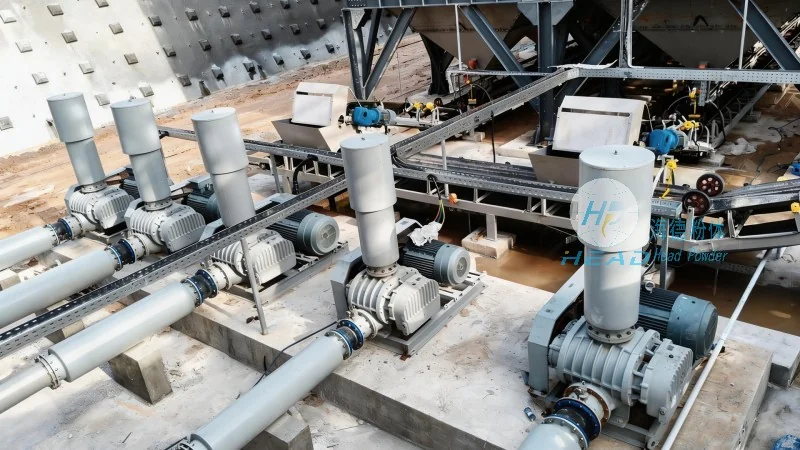
The effectiveness of foam powder pneumatic conveying systems depends on several key components and a well-defined working principle. At the heart of the system is a foam generator, which produces the air-foam mixture. This mixture is then introduced into the conveying line, where it meets the powder to be transported. The foam acts as a carrier, lifting and transporting the powder particles through the pipeline. The system typically includes a feed hopper, a venturi or other air induction device, and a separation unit at the discharge end. The separation unit, often a cyclone or a filter, removes the foam from the powder, allowing the material to be collected while the air is either recycled or vented. This closed-loop operation ensures minimal waste and energy consumption.
Advantages of Foam Powder Pneumatic Conveying
Compared to traditional pneumatic conveying methods, foam powder pneumatic conveying offers several distinct advantages. One of the most significant benefits is its high conveying capacity, which allows for the transport of large volumes of powder with lower air pressure. This reduces energy costs and equipment size, making it a more economical solution for bulk material handling. Additionally, the foam medium provides a cushioning effect, protecting the powder from damage and reducing the risk of agglomeration or degradation. This is especially beneficial for sensitive materials like pharmaceuticals, food products, or high-value chemicals. The system also minimizes dust emissions, as the foam encapsulates the powder particles, preventing them from becoming airborne. This enhances workplace safety and compliance with environmental regulations. Furthermore, the closed-loop design of the system reduces the need for external air intake, lowering the overall environmental footprint and operational costs.
Applications in Industrial Settings
Foam powder pneumatic conveying is widely used across various industries due to its versatility and efficiency. In the pharmaceutical industry, it is employed to transport active pharmaceutical ingredients (APIs) and excipients with precision, ensuring product integrity and compliance with stringent quality standards. The food industry utilizes this technology for handling powders such as cocoa, flour, and dairy products, maintaining hygiene and preventing contamination. The chemical industry benefits from its ability to transport abrasive or corrosive powders without damaging equipment or compromising material quality. Additionally, in the mining and mineral processing sectors, foam powder pneumatic conveying is used to transport fine ores and powders, improving overall process efficiency and reducing downtime. The adaptability of this system makes it suitable for a wide range of applications, from small-scale laboratory operations to large-scale industrial production lines.
Case Study: Implementing Foam Powder Pneumatic Conveying in a Food Processing Plant
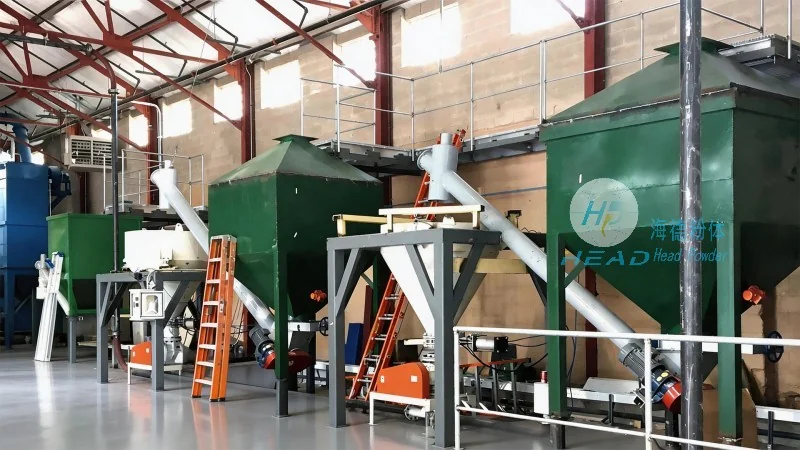
Shandong HeadPowder Engineering Co., Ltd., a leading provider of material handling solutions, recently implemented a foam powder pneumatic conveying system for a food processing plant. The plant was struggling with dust control and material loss during the transport of cocoa powder from storage silos to production lines. By installing a foam powder pneumatic conveying system, the plant achieved a 70% reduction in dust emissions and a 40% increase in conveying efficiency. The system’s ability to handle large volumes of powder with minimal air pressure allowed the plant to reduce energy consumption by 25%, resulting in significant cost savings. The foam medium effectively protected the cocoa powder from moisture and contamination, maintaining product quality and extending shelf life. This successful implementation highlights the practical benefits of foam powder pneumatic conveying in real-world industrial applications.
Conclusion and Future Outlook
Foam powder pneumatic conveying represents a significant advancement in material handling technology, offering industries a more efficient, cost-effective, and environmentally friendly solution for transporting powder and particulate materials. By leveraging the principles of foam generation and pneumatic transport, this technology addresses the limitations of traditional methods while providing superior performance. As industries continue to seek innovative solutions to improve productivity and sustainability, foam powder pneumatic conveying is poised to play an increasingly important role in the future of material handling. With ongoing advancements in foam generation technology and system design, the potential for further optimization and application expansion remains high. For businesses looking to enhance their material handling processes, foam powder pneumatic conveying is a compelling option that delivers tangible benefits across various industrial sectors.