

Classification and Composition of Maltose Pneumatic Conveying Systems
For industries dealing with maltose, efficient and reliable material handling is crucial. Pneumatic conveying systems offer a solution that minimizes contamination and ensures smooth operation. This article explores the classification and key components of maltose pneumatic conveying systems, highlighting how they are designed to meet the specific demands of maltose processing.
Classification of Maltose Pneumatic Conveying Systems
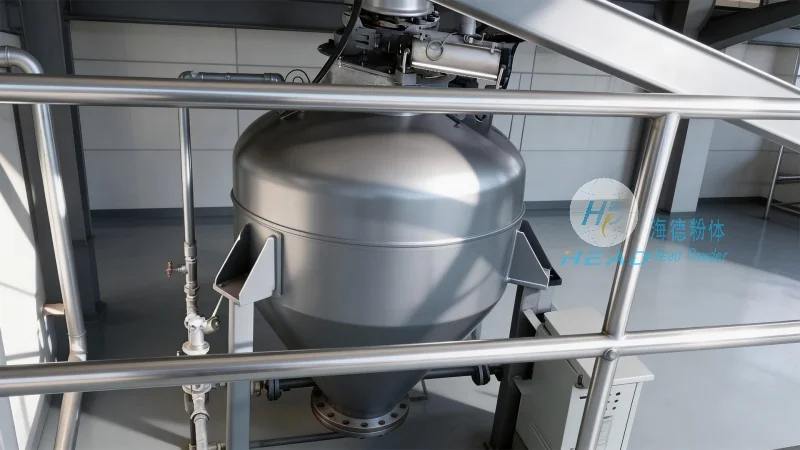
Maltose pneumatic conveying systems can be broadly categorized based on the pressure used during operation. The primary types include positive pressure systems, negative pressure systems, and hybrid systems. Positive pressure systems use compressed air to push material through the pipeline, making them suitable for long-distance or high-rise applications. Negative pressure systems, on the other hand, use vacuum to draw material into the system, which is ideal for applications requiring low dust emission. Hybrid systems combine elements of both, offering flexibility in handling different material characteristics and operational needs. Each classification is tailored to optimize performance while maintaining efficiency and safety in maltose handling.
Key Components of Maltose Pneumatic Conveying Systems
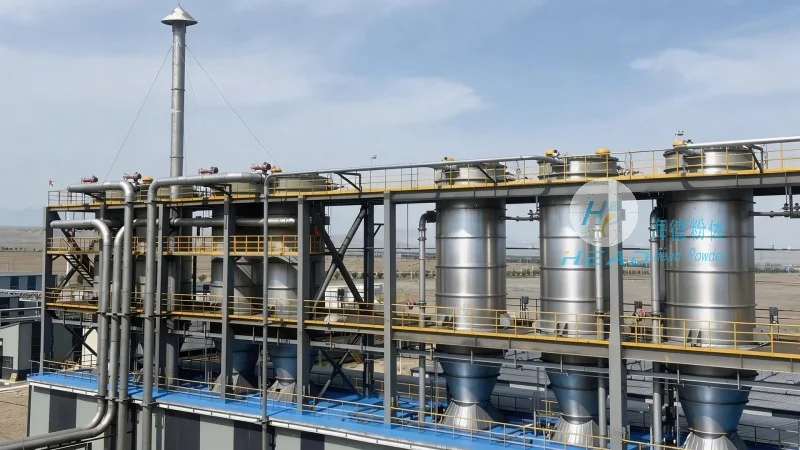
The effectiveness of a maltose pneumatic conveying system relies on several critical components that work in harmony. The main components include the material feed hopper, which is designed to store and feed maltose into the system. The air compressor or vacuum pump provides the necessary pressure or suction to move the material. The conveying line, typically made of stainless steel or other corrosion-resistant materials, ensures that maltose is transported without contamination. Additionally, the system includes control valves and regulators to manage airflow and pressure, maintaining consistent performance. The material separator or cyclone is another vital component that separates the maltose from the air, ensuring that the product remains clean and free from dust. Each component is engineered to handle the unique properties of maltose, such as its hygroscopic nature and potential for caking, ensuring optimal operation.
Design Considerations for Maltose Pneumatic Conveying
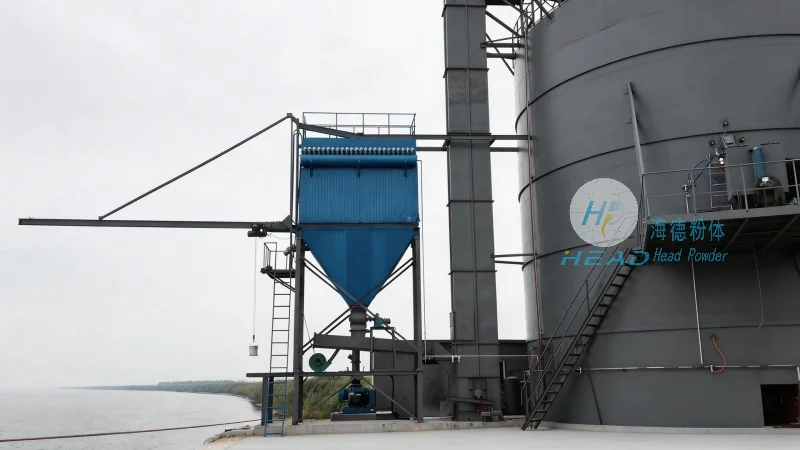
When designing a maltose pneumatic conveying system, several factors must be considered to ensure efficiency and reliability. Material properties, such as flowability and moisture content, play a significant role in determining the system's design. For instance, maltose's hygroscopic nature means that the system must be equipped with moisture control measures to prevent clumping. The system's capacity and the distance over which maltose needs to be conveyed also influence the choice of components, such as the size of the air compressor and the diameter of the conveying line. Additionally, the system's integration with existing processing equipment is crucial, ensuring seamless operation without disrupting the production line. Proper maintenance and cleaning protocols are also essential to prevent contamination and ensure long-term performance. By addressing these design considerations, the system can effectively handle maltose while maintaining high standards of quality and safety.
Applications in Maltose Processing
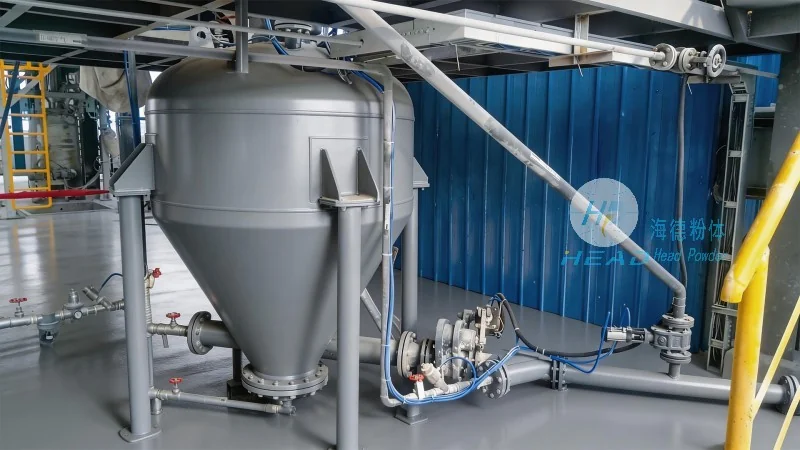
Maltose pneumatic conveying systems are widely used in various stages of maltose processing, from raw material handling to finished product packaging. In the raw material stage, the system efficiently transports maltose from storage silos to processing units, minimizing manual handling and reducing the risk of contamination. During the processing stage, the system can transport maltose to mixing or refining equipment, ensuring consistent material flow. In the packaging stage, the system delivers maltose to packaging machines, maintaining product integrity and preventing damage. The versatility of pneumatic conveying makes it suitable for different production scales, from small-scale operations to large industrial facilities. By integrating these systems into the production process, manufacturers can enhance productivity and maintain high-quality standards in maltose production.