

Positive Pressure and Negative Pressure Conveying of Ore Powder: A Comparative Analysis of Two Pneum
HeadPowder, a leading provider of pneumatic conveying solutions, specializes in optimizing material handling processes for industries dealing with ore powders. This article provides a detailed comparison between positive pressure and negative pressure conveying systems, highlighting their respective advantages, disadvantages, and applications. Understanding the differences between these two methods is crucial for selecting the most suitable technology for specific ore powder handling requirements.
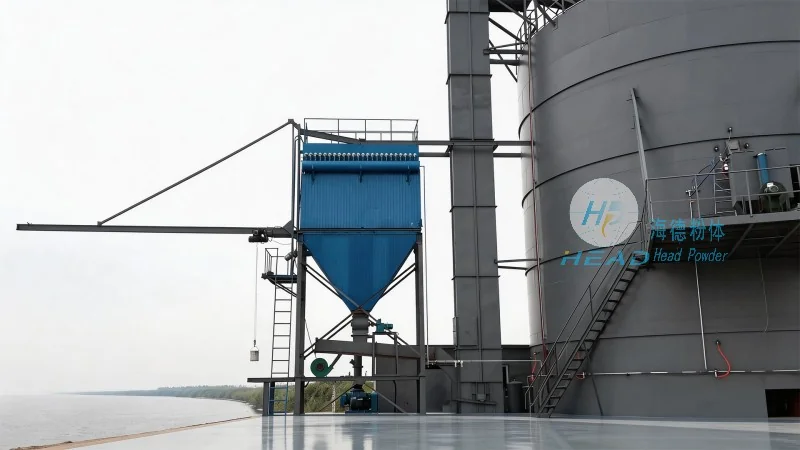
Introduction to Pneumatic Conveying Systems
Pneumatic conveying is a widely used method for transporting bulk materials, including ore powders, over short to medium distances. It involves the use of air or gas to move material through a pipeline. The two primary types of pneumatic conveying systems are positive pressure and negative pressure systems. Each has distinct characteristics that make it suitable for different operational conditions and material properties.
Positive Pressure Conveying Systems
Positive pressure conveying systems operate by blowing air or gas into the material stream, creating a pressure higher than the ambient air pressure. This method is commonly used for conveying materials from a central source to multiple destinations or for long-distance transport. The system typically includes a blower or compressor that generates the necessary pressure to move the material through the pipeline.
One of the key advantages of positive pressure systems is their ability to handle a wide range of material types, including abrasive and corrosive ore powders. They are also effective in preventing material degradation due to the sealed pipeline environment. Additionally, positive pressure systems can operate at higher pressures, allowing for greater transport distances and higher material flow rates.
However, positive pressure systems may require more robust equipment to withstand higher pressures and can be more expensive to install and maintain. They also generate more noise and may require additional safety measures to prevent air leaks and material spillage. Furthermore, the system's design must account for the potential for material buildup in the pipeline, which can lead to blockages if not properly managed.
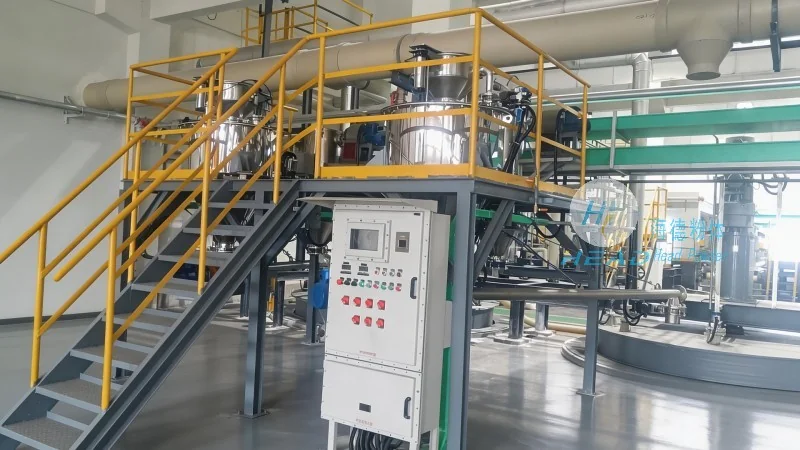
Negative Pressure Conveying Systems
Negative pressure conveying systems, also known as vacuum systems, operate by creating a vacuum in the pipeline, which draws material from the source into the system. This method is often used for short-distance transport from a single source to a single destination, such as in laboratory or small-scale industrial applications.
A major advantage of negative pressure systems is their lower operating cost and simpler design compared to positive pressure systems. They are generally more energy-efficient and require less maintenance. The system is also less likely to cause dust emissions at the source, as the material is drawn into the pipeline rather than being blown out.
Nevertheless, negative pressure systems have limitations in terms of material handling capacity and transport distance. They are less effective for abrasive or high-density ore powders, as the vacuum may not be sufficient to move the material through the pipeline without causing blockages. Additionally, the system can be more prone to clogging due to the lower pressure and the tendency of fine particles to settle in the pipeline.
Key Differences and Selection Criteria
When selecting between positive and negative pressure conveying systems for ore powder handling, several factors must be considered. The primary factors include the distance of transport, the material properties (such as particle size, density, and abrasiveness), the required flow rate, and the operational environment. For long-distance or high-volume transport of ore powders, positive pressure systems are often preferred due to their higher capacity and reliability. Conversely, for short-distance or low-volume applications, negative pressure systems may be more cost-effective and suitable.
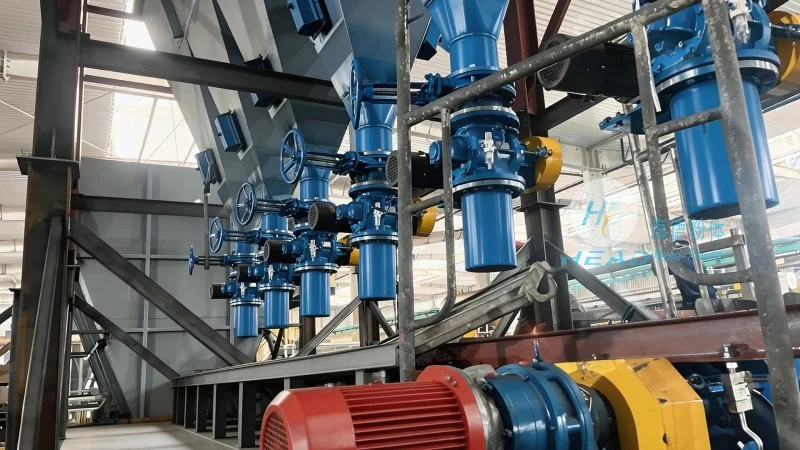
Another critical consideration is the material's reactivity and the need for a sealed environment. Positive pressure systems provide better containment, making them ideal for handling materials that are sensitive to air or require a dust-free environment. Negative pressure systems, while less effective in containment, are better suited for applications where the material is not highly reactive and where dust control is less critical.
Application Examples in Ore Powder Handling
Both positive and negative pressure conveying systems find applications in various ore powder handling processes. For instance, in mining operations, positive pressure systems are commonly used to transport crushed ore from processing plants to storage facilities or for transporting raw ore from mines to processing sites. Negative pressure systems may be used in laboratory settings to handle small quantities of ore powders for analysis or in small-scale industrial processes where the material is transported over short distances.
In the cement and mineral processing industries, positive pressure systems are often employed to convey raw materials such as limestone and clay, while negative pressure systems may be used for transporting finished products or for handling fine powders in quality control processes. The choice of system depends on the specific requirements of each application, including the scale of operation, the material characteristics, and the environmental regulations.
Conclusion
Both positive pressure and negative pressure pneumatic conveying systems offer effective solutions for ore powder handling, each with its own set of advantages and limitations. Positive pressure systems are generally more suitable for large-scale, long-distance transport of abrasive or high-density ore powders, while negative pressure systems are better suited for small-scale, short-distance applications with lower material flow rates. The selection of the appropriate system should be based on a thorough analysis of the operational requirements, material properties, and cost considerations. HeadPowder provides customized pneumatic conveying solutions tailored to the specific needs of each client, ensuring optimal performance and efficiency in ore powder handling processes.