

Types and Practical Applications of Pneumatic Conveying Systems for Powder Propellant Handling
HeadPowder, a leading enterprise in the field of powder handling technology, specializes in the design, manufacturing, and implementation of advanced pneumatic conveying systems tailored for the unique demands of powder propellant transport. With a strong presence in Shandong, China, the company leverages decades of industry experience to deliver reliable and efficient solutions that meet the stringent requirements of modern propellant handling operations.
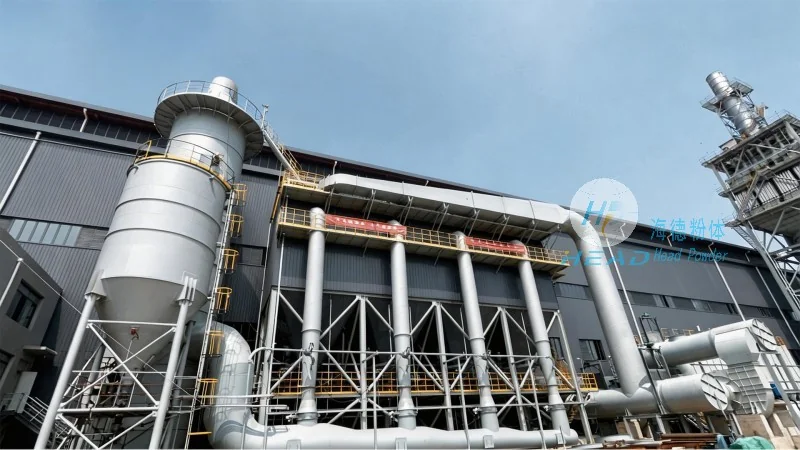
Pneumatic Conveying Systems: Core Components and Working Principles
Pneumatic conveying systems utilize air or gas to transport bulk materials, such as powder propellants, through a pipeline network. These systems are categorized into two primary types: dilute-phase and dense-phase, each offering distinct advantages based on material characteristics, distance, and handling requirements. Dilute-phase systems operate at higher velocities, typically transporting materials in a suspended state, making them suitable for short to medium distances and low to medium particle sizes. Dense-phase systems, on the other hand, operate at lower velocities, using higher air pressure to push material in a slurry-like state, ideal for longer distances and sensitive materials that require gentle handling.
Types of Pneumatic Conveying Systems for Powder Propellant Handling
For powder propellant applications, several specialized pneumatic conveying systems are commonly employed. The first is the positive displacement system, which uses a piston or rotary lobe pump to create a positive pressure, ensuring consistent material flow even under varying conditions. This type is particularly effective for handling fine powders and materials with high moisture content, as it maintains tight control over the air-to-material ratio. Another key system is the venturi system, which relies on a venturi tube to accelerate air and draw material into the pipeline. This system is cost-effective for short distances and low-volume applications, making it suitable for initial handling stages or small-scale operations. Additionally, the pressure tank system utilizes a pressurized tank to store and release material as needed, providing flexibility in handling intermittent or variable demand. Each system is designed to address specific operational challenges, ensuring optimal performance and material integrity throughout the transport process.
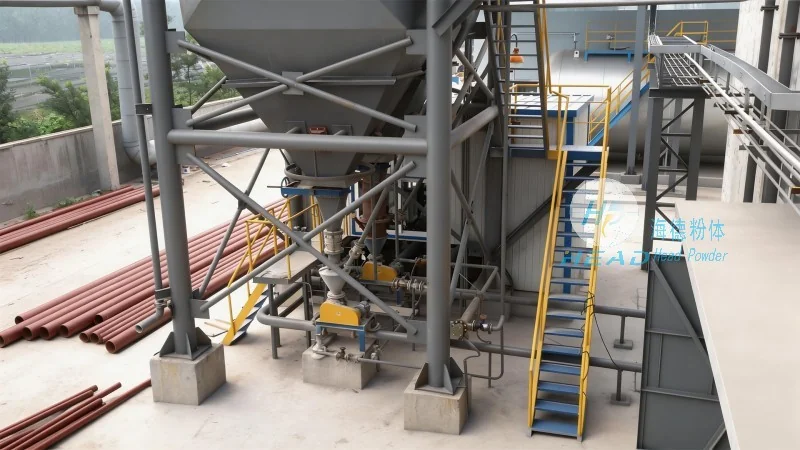
Practical Applications in Powder Propellant Handling
The practical application of pneumatic conveying systems in powder propellant handling spans multiple stages of the production and storage lifecycle. In the manufacturing phase, these systems are used to transport raw propellant powders from storage silos to processing equipment, ensuring a continuous and controlled feed. During the mixing and compounding stages, pneumatic conveyors facilitate the precise blending of different propellant components, maintaining uniformity and preventing segregation. For storage and inventory management, automated conveying systems enable efficient transfer of propellant batches between bulk storage tanks and packaging lines, reducing manual handling and minimizing the risk of contamination. Furthermore, in the logistics and distribution phase, pneumatic conveying can be integrated with loading and unloading systems to streamline the transfer of propellant to transport vehicles, enhancing operational efficiency and safety. The versatility of these systems allows them to adapt to various production scales, from small-scale laboratory operations to large-scale industrial facilities, ensuring that propellant handling remains consistent and reliable across all stages.
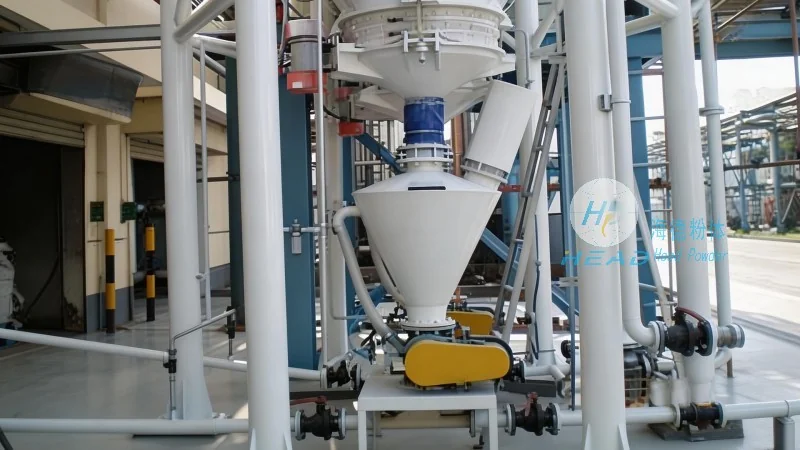
Advantages and Considerations for Pneumatic Conveying in Propellant Handling
Implementing pneumatic conveying systems for powder propellant handling offers several advantages, including high efficiency, minimal material degradation, and reduced labor costs. The enclosed pipeline system prevents exposure to contaminants and environmental factors, preserving the quality and stability of the propellant. Additionally, these systems can be designed to operate in a closed loop, minimizing dust emissions and enhancing workplace safety. However, there are also considerations to address, such as the need for regular maintenance to ensure consistent air pressure and system performance. The choice of system type and design parameters must be carefully evaluated based on the specific properties of the propellant, including particle size, moisture content, and flowability. HeadPowder provides comprehensive consultation and customization services to help clients select the most appropriate system, ensuring optimal performance and long-term reliability.
Conclusion and Company Profile
As a trusted provider of pneumatic conveying solutions, Shandong HeadPowder Engineering Co., Ltd. continues to advance the technology and application of these systems in powder propellant handling. By combining expertise in material science, engineering design, and industrial experience, the company delivers tailored solutions that meet the unique needs of each client. With operations based in Shandong, China, HeadPowder remains committed to innovation and quality, providing reliable and efficient pneumatic conveying systems that enhance the safety, efficiency, and productivity of propellant handling operations worldwide.