

Types and Practical Applications of Pneumatic Conveying Systems for Polyethylene Transport
Pneumatic conveying systems are critical in the efficient and safe transport of polyethylene materials across various industrial applications. As a leading provider in the field, Shandong HeadPowder Engineering Co., Ltd. specializes in designing and implementing tailored solutions that address the unique challenges associated with polyethylene handling. This article explores the different types of pneumatic conveying systems and their practical applications in polyethylene transport, highlighting the expertise and solutions offered by HeadPowder.
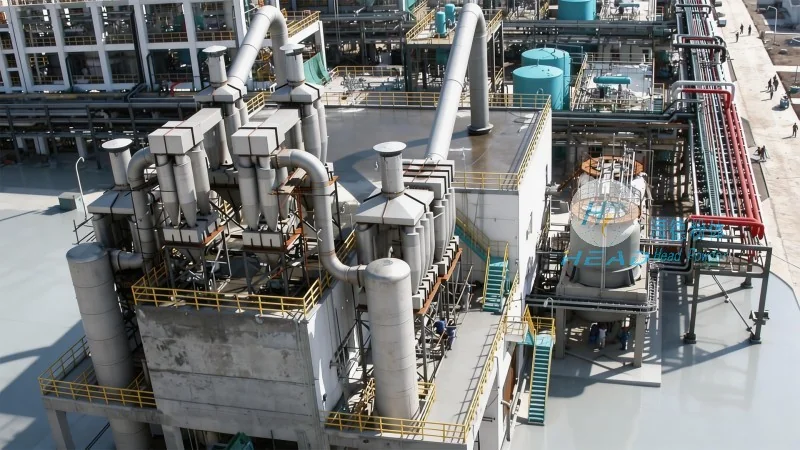
Types of Pneumatic Conveying Systems
There are primarily two main categories of pneumatic conveying systems: positive pressure and negative pressure systems. Each type has distinct characteristics and is suitable for different operational requirements.
Positive pressure systems operate by blowing air or other gases into the conveying line, creating a pressure higher than the ambient atmosphere. This method is often preferred for short to medium-distance transport and is effective in handling abrasive or corrosive materials. In the context of polyethylene, positive pressure systems can be further classified into dense-phase and dilute-phase systems. Dense-phase conveying uses higher air velocities and lower material flow rates to achieve a more controlled and stable transport, minimizing product degradation and wear on equipment. Dilute-phase systems, on the other hand, use higher velocities and lower material concentrations, suitable for longer distances but potentially leading to more wear and higher energy consumption.
Negative pressure systems, also known as vacuum systems, operate by creating a vacuum in the conveying line, drawing material from the source into the system. This approach is ideal for applications requiring material to be moved from a higher elevation to a lower one or for handling materials that are sensitive to pressure changes. For polyethylene, negative pressure systems can be effective in handling fine powders or granules, ensuring minimal product contamination and maintaining product integrity. However, they may have limitations in terms of distance and material capacity compared to positive pressure systems.
Additionally, there are hybrid or mixed systems that combine elements of both positive and negative pressure operations. These systems offer flexibility and can be optimized for specific process requirements, such as varying material types or operational conditions. For polyethylene transport, hybrid systems may be particularly useful in complex industrial setups where multiple material handling tasks are required.
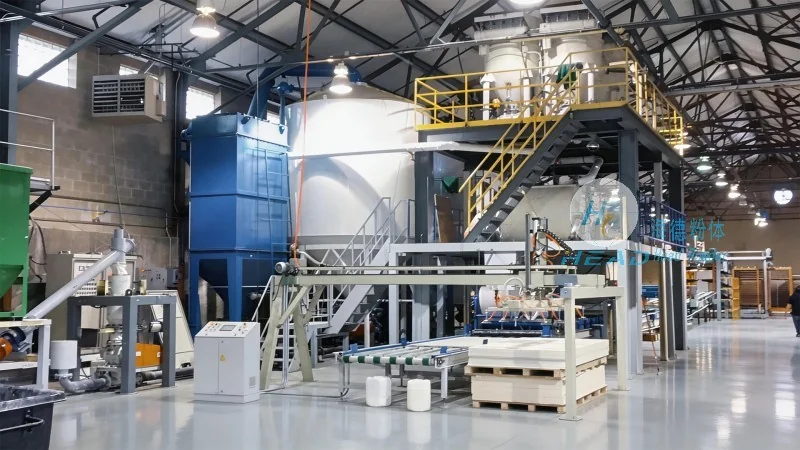
Practical Applications in Polyethylene Transport
Pneumatic conveying systems find extensive applications in the polyethylene industry, from raw material handling to finished product transport. One of the primary uses is in the transfer of polyethylene pellets or granules from storage silos or hoppers to processing equipment, such as extruders or reactors. This process requires efficient and reliable transport to maintain production continuity and minimize downtime. HeadPowder's systems are designed to handle these operations with precision, ensuring consistent material flow and reducing the risk of blockages or material degradation.
Another critical application is in the handling of polyethylene powders, which are often used in compounding processes or as additives in other materials. Pneumatic conveying is particularly effective for these fine powders, as it minimizes dust generation and ensures a uniform material distribution. The systems can be configured to handle varying particle sizes and moisture content, making them suitable for a wide range of polyethylene products.
In addition to material transfer, pneumatic conveying systems are also used in the cleaning and maintenance of polyethylene processing equipment. By using controlled air flows, these systems can effectively remove residual material from pipes, hoppers, and other components, ensuring optimal performance and extending equipment lifespan. This application is particularly important in industries where product purity and equipment efficiency are paramount.
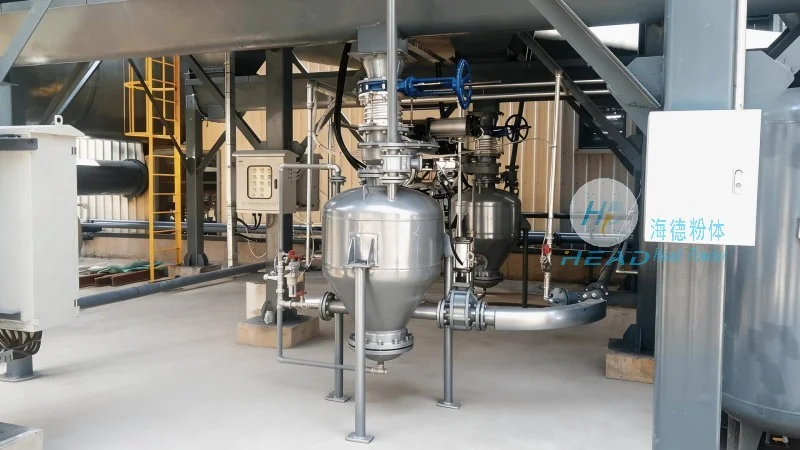
Furthermore, pneumatic conveying systems play a role in the integration of polyethylene production lines with other industrial processes. For example, in facilities that produce polyethylene for packaging or construction applications, the systems can be integrated with packaging machinery or storage systems to streamline the entire production and distribution process. This integration enhances operational efficiency and reduces overall costs, making it a valuable component in modern polyethylene manufacturing.
HeadPowder's Expertise and Solutions
Shandong HeadPowder Engineering Co., Ltd. is a leading provider of pneumatic conveying solutions tailored to the polyethylene industry. With years of experience and a deep understanding of material handling challenges, HeadPowder offers customized systems that meet the specific needs of each client. The company's expertise lies in the design, installation, and maintenance of both positive and negative pressure systems, as well as hybrid solutions, ensuring optimal performance and reliability.
HeadPowder's systems are engineered to handle the unique properties of polyethylene, including its density, flow characteristics, and potential for degradation. By using high-quality materials and advanced control technologies, the systems minimize product wear and ensure consistent material quality. The company also provides comprehensive support services, including system optimization, maintenance, and technical assistance, to ensure that clients achieve the best possible results from their pneumatic conveying systems.
With a strong commitment to quality and customer satisfaction, Shandong HeadPowder Engineering Co., Ltd. has established itself as a trusted partner in the polyethylene industry. The company's solutions are designed to enhance operational efficiency, reduce costs, and improve product quality, making them an essential component in modern industrial processes.