

Types, Features, and Application Ranges of Sawdust Particle Pneumatic Conveying Systems
For industries dealing with sawdust particles, efficient and reliable material handling is crucial. Pneumatic conveying systems offer a solution that combines functionality with operational advantages. This article explores the types, key features, and application ranges of sawdust particle pneumatic conveying systems, highlighting the expertise of Shandong HeadPowder Engineering Co., Ltd., a leading provider in the field.
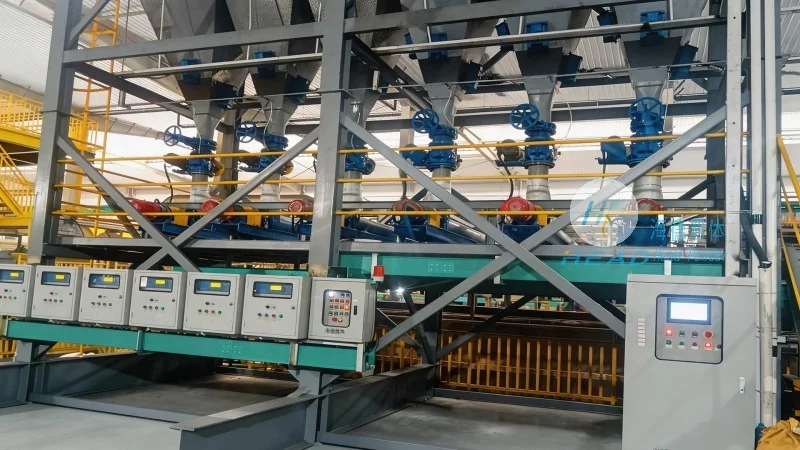
About HeadPowder: Leading Pneumatic Conveying Solutions
Shandong HeadPowder Engineering Co., Ltd., operating under the brand name HeadPowder, specializes in the design, manufacturing, and implementation of advanced pneumatic conveying systems. With a focus on precision and efficiency, HeadPowder serves a wide range of industries, including woodworking, biomass energy, and environmental management. The company’s headquarters is located in Shandong, China, where it leverages local expertise and resources to deliver tailored solutions for clients worldwide.
Types of Sawdust Particle Pneumatic Conveying Systems
There are primarily two main categories of pneumatic conveying systems used for sawdust particles: positive pressure and negative pressure systems. Each type has distinct characteristics and is suited to different operational needs.
Positive pressure systems, also known as pressure conveying, operate by blowing air or gas into the conveying line under pressure. This method is effective for short to medium distances and can handle a variety of particle sizes. The system typically includes a blower, a hopper for material storage, and a discharge point. Positive pressure systems are known for their ability to handle abrasive materials and are often used in applications where high pressure is required to move the material through the system.
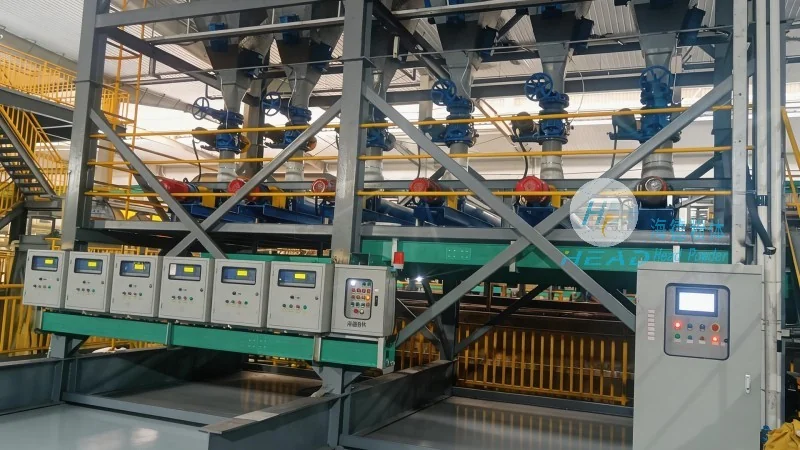
Negative pressure systems, or vacuum conveying, work by creating a vacuum in the conveying line to draw material from the source. This approach is ideal for long-distance transport and is commonly used when the material needs to be collected from multiple points. The system consists of a vacuum pump, a collection hopper, and a discharge unit. Negative pressure systems are particularly effective for handling fine particles and are often used in applications where dust control is a priority.
Key Features of Sawdust Particle Pneumatic Conveying
Efficiency and reliability are paramount in sawdust particle pneumatic conveying. The systems are designed to minimize material loss and maximize throughput. Advanced control systems allow for precise regulation of air flow and pressure, ensuring consistent performance. Additionally, these systems are equipped with features such as automatic cleaning and maintenance alerts, reducing downtime and operational costs.
Environmental considerations are also a significant feature. Pneumatic conveying systems are generally more environmentally friendly compared to traditional methods like belt conveyors or trucks, as they reduce dust emissions and minimize noise pollution. This makes them an attractive option for industries aiming to meet regulatory standards and improve their sustainability profile.

Flexibility is another key characteristic. Modern pneumatic conveying systems can be customized to accommodate different particle sizes, moisture levels, and processing requirements. This adaptability allows HeadPowder to provide solutions that fit the specific needs of each client, whether for small-scale operations or large industrial facilities.
Application Ranges of Sawdust Particle Pneumatic Conveying
Sawdust particle pneumatic conveying systems find wide application in various industries. In the woodworking sector, they are used to transport sawdust from production lines to storage or processing units. This ensures a continuous flow of material, enhancing productivity and reducing manual handling.
In biomass energy production, these systems are critical for moving sawdust to biomass boilers or pelletizing machines. The consistent supply of material is essential for efficient energy generation, and pneumatic conveying systems provide the reliability needed for 24/7 operations.
Environmental management also benefits from these systems. They are used in waste processing facilities to transport sawdust for recycling or composting. The ability to handle fine particles and maintain low dust levels makes them suitable for applications where environmental impact is a concern.
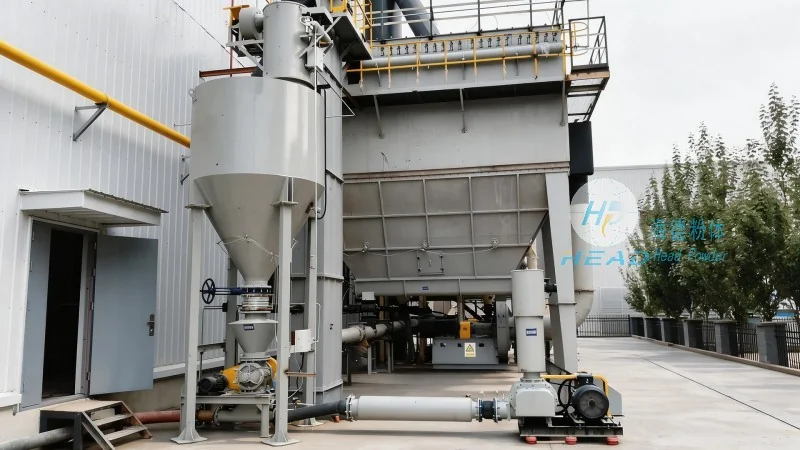
Additionally, in research and development settings, pneumatic conveying systems are used to transport sawdust for testing and analysis. The controlled environment allows for precise measurement of material properties, supporting innovation in the industry.
Conclusion: Choosing the Right Pneumatic Conveying System
When selecting a pneumatic conveying system for sawdust particles, it is essential to consider the specific requirements of the operation. Positive pressure systems are ideal for short distances and high material loads, while negative pressure systems are better suited for long distances and fine particles. The key is to balance efficiency, cost, and environmental impact.
Shandong HeadPowder Engineering Co., Ltd. offers a comprehensive range of pneumatic conveying solutions tailored to these needs. With years of experience and a commitment to quality, HeadPowder provides systems that not only meet but exceed industry standards. Whether for industrial production or environmental management, their expertise ensures that clients receive the most effective and reliable sawdust particle pneumatic conveying systems available.