

[PVC Technical Parameters and Conveying System Process]
Understanding the technical parameters of PVC and the design of its conveying systems is crucial for optimizing material handling processes in various industrial applications. This article provides a comprehensive overview of the key technical aspects and the practical implementation of conveying systems for PVC materials, presented by Shandong HeadPowder Engineering Co., Ltd., a leading engineering solutions provider based in China.
Company Overview
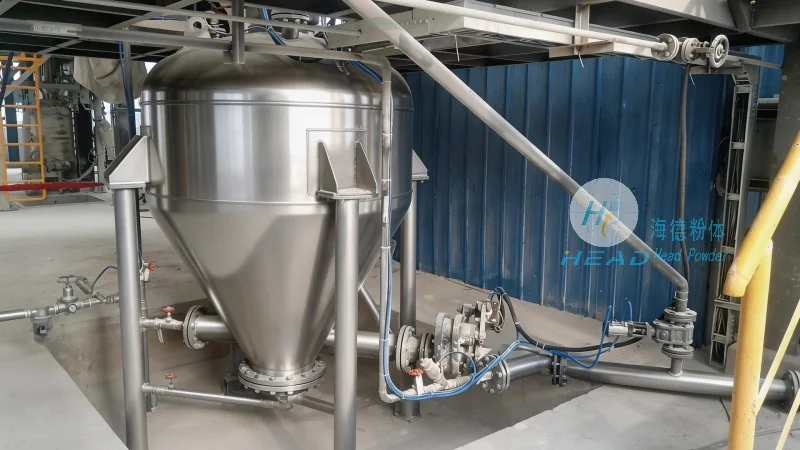
Shandong HeadPowder Engineering Co., Ltd., commonly known as HeadPowder, specializes in the design, manufacturing, and integration of advanced material handling systems. With a strong focus on precision engineering and customer-centric solutions, the company serves industries such as chemical processing, plastics manufacturing, and food processing. HeadPowder's expertise lies in developing customized conveying solutions that meet the unique requirements of PVC material handling, ensuring efficiency, safety, and reliability in production lines.
Key Technical Parameters of PVC Materials
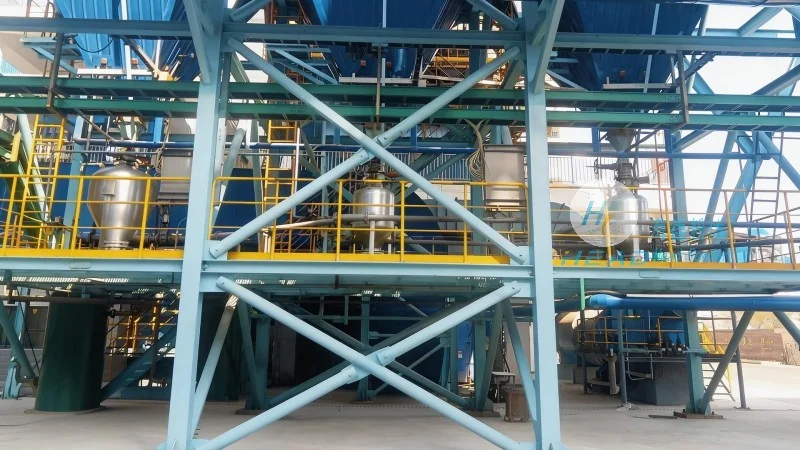
Polyvinyl chloride (PVC) is a widely used thermoplastic polymer known for its durability, chemical resistance, and versatility in manufacturing. The technical parameters of PVC materials significantly influence the design of conveying systems. Key parameters include density, which typically ranges from 1.38 to 1.45 g/cm³, affecting the flow characteristics and required conveyor capacity. The moisture content of PVC is another critical factor; excessive moisture can lead to material clumping or degradation, necessitating proper drying and moisture control measures in the conveying process. Additionally, the particle size distribution of PVC granules or powders impacts the choice of conveyor type, with finer particles requiring more specialized equipment to prevent clogging and ensure uniform transport. HeadPowder engineers consider these parameters to design systems that maintain material integrity and operational efficiency.
Design and Implementation of Conveying Systems for PVC
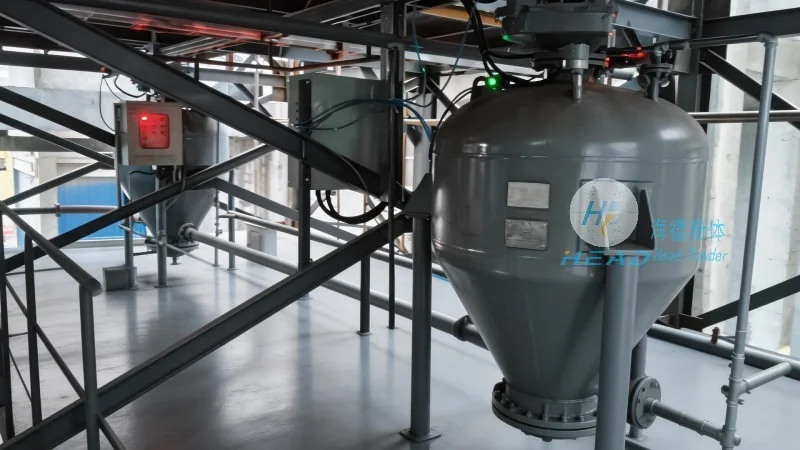
The selection of an appropriate conveying system for PVC depends on factors such as material flow rate, distance, and the physical properties of the PVC. Common types of conveying systems include screw conveyors, belt conveyors, and pneumatic conveying systems. Screw conveyors are widely used for horizontal or slight incline transport due to their simplicity and effectiveness in handling bulk materials. They are particularly suitable for PVC powders and granules, as the helical screw can maintain a consistent flow without the need for external power beyond the drive motor. Belt conveyors, on the other hand, are ideal for longer horizontal distances and can handle larger volumes of PVC, making them suitable for bulk material transport in manufacturing plants. Pneumatic conveying systems, using air pressure to move PVC particles, offer advantages in controlling dust and preventing material contamination, which is essential for maintaining product quality in food or pharmaceutical applications. HeadPowder's engineering team evaluates the specific requirements of each project, selecting the most suitable conveyor type and configuration to ensure optimal performance and minimal downtime.
Application Scenarios and Process Optimization
PVC conveying systems are applied in various industrial processes, including raw material transport from storage to processing units, intermediate product transfer between production stages, and finished product handling for packaging or shipping. In the PVC manufacturing industry, these systems are integral to the production line, ensuring a continuous flow of materials from extrusion or molding equipment to storage or further processing. For example, in a PVC pipe manufacturing plant, a screw conveyor may transport PVC granules from a hopper to an extruder, while a belt conveyor moves finished pipes to a packaging area. The design of these systems must account for the temperature and humidity of the PVC material, as PVC can be sensitive to environmental conditions that affect its physical properties. HeadPowder optimizes conveying processes by integrating sensors and control systems that monitor flow rates, pressure, and temperature, allowing for real-time adjustments to maintain consistent material quality and prevent equipment damage.
Quality Assurance and Operational Considerations
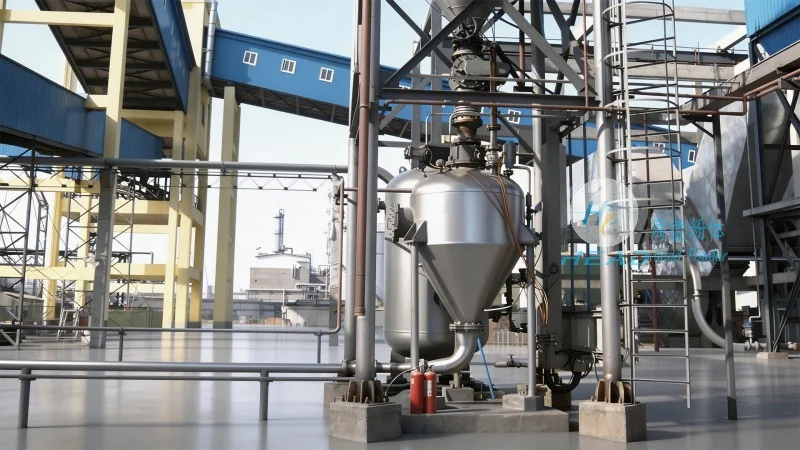
Ensuring the quality and reliability of PVC conveying systems requires rigorous quality assurance measures. HeadPowder adheres to industry standards and best practices to design and manufacture systems that meet or exceed customer expectations. Material selection for conveyor components, such as the type of steel or plastic used for screw flights or belt materials, is critical to prevent corrosion or wear from PVC's chemical properties. Regular maintenance and inspection of conveying systems are essential to detect and address issues like clogging, wear, or misalignment before they impact production. Additionally, the system's integration with other production equipment, such as control panels and safety interlocks, is crucial for operational safety and efficiency. HeadPowder provides comprehensive support, including installation, commissioning, and ongoing maintenance services, to ensure that its conveying systems operate at peak performance throughout their service life.