

Role of Pneumatic Conveying in Activated Carbon Transportation
Activated carbon is a critical material in various industrial processes, including water treatment, air purification, and chemical production. The efficient and reliable transportation of activated carbon is essential to ensure smooth operations and maintain product quality. Pneumatic conveying has emerged as a highly effective method for transporting activated carbon, offering numerous advantages over traditional methods such as belt conveyors or bucket elevators.
Advantages of Pneumatic Conveying for Activated Carbon Transport
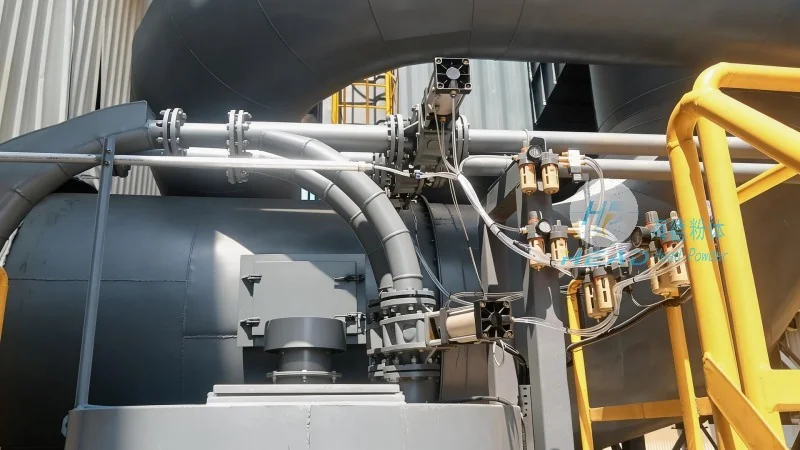
Pneumatic conveying systems utilize air to transport bulk materials like activated carbon through a pipeline network. This method provides several key benefits that make it ideal for activated carbon handling. First, it offers high transport efficiency, allowing for continuous and automated material movement without the need for manual intervention. The system can handle large volumes of activated carbon with minimal downtime, which is crucial for maintaining production schedules. Second, pneumatic conveying enhances safety by eliminating the need for human operators to handle heavy or potentially hazardous materials. The enclosed pipeline system reduces dust exposure and prevents accidental spills, creating a safer working environment. Third, it provides flexibility in material handling, as the system can be easily reconfigured to accommodate different production requirements or changes in process flow. This adaptability is particularly valuable in dynamic industrial settings where operational needs may evolve over time.
Key Components of a Pneumatic Conveying System for Activated Carbon
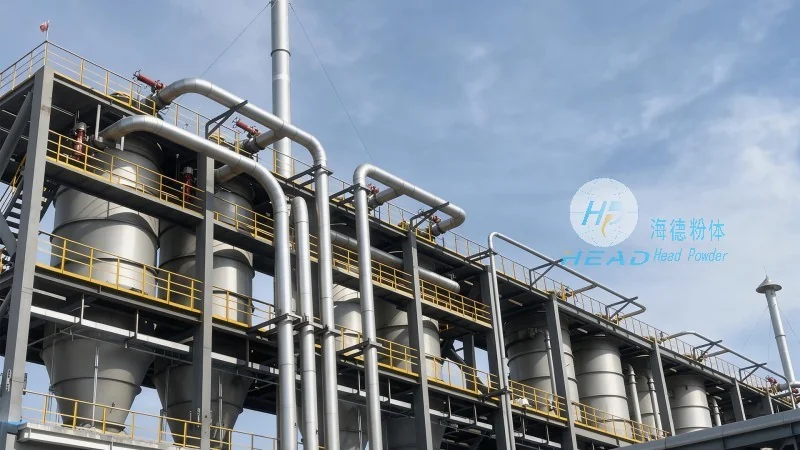
A pneumatic conveying system for activated carbon typically consists of several essential components that work together to ensure efficient operation. The primary components include a material feeder, which accurately meters the activated carbon into the conveying line. A blower or air compressor provides the necessary air pressure to move the material through the pipeline. The pipeline itself is designed with appropriate diameter and slope to maintain material flow and prevent blockages. A series of in-line components, such as filters and separators, are used to remove any excess air or fine particles from the material, ensuring that the activated carbon remains clean and free from contamination. Additionally, the system may include control valves and sensors to monitor and regulate the flow rate, pressure, and other operational parameters. These components are carefully selected and integrated to optimize the performance of the system for activated carbon transport.
Application Examples in Industrial Settings
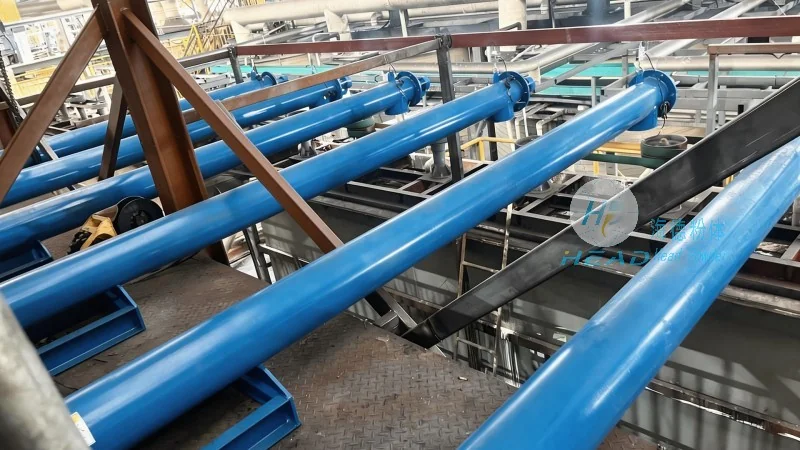
Pneumatic conveying systems are widely used in various industrial applications involving activated carbon. For instance, in water treatment plants, the system efficiently transports activated carbon from storage silos to filtration units, ensuring consistent and high-quality water purification. In chemical manufacturing facilities, the system handles activated carbon used in adsorption processes, moving it between reactors and storage areas with precision. The flexibility of pneumatic conveying also makes it suitable for use in pharmaceutical and food processing industries, where maintaining strict hygiene and contamination control is paramount. In these applications, the system's ability to transport activated carbon in a dust-free environment is particularly beneficial, as it helps meet regulatory standards and product quality requirements.
Benefits for End Users and Process Efficiency
Implementing a pneumatic conveying system for activated carbon transport offers significant benefits to end users and overall process efficiency. By reducing material handling time and labor costs, the system improves operational productivity. The enclosed system minimizes dust emissions, which not only enhances workplace safety but also helps comply with environmental regulations. Additionally, the system's ability to handle large volumes of material with minimal maintenance requirements leads to lower operational costs over time. The consistent and reliable flow of activated carbon ensures that downstream processes, such as filtration or adsorption, operate at optimal levels, leading to higher product yields and better quality control. These advantages make pneumatic conveying an attractive solution for industries that rely on activated carbon as a key component in their production processes.

About Shandong HeadPowder Engineering Co., Ltd.
Shandong HeadPowder Engineering Co., Ltd., operating under the brand name headpowder, is a leading provider of pneumatic conveying solutions tailored for activated carbon transport. With a focus on innovation and customer satisfaction, the company specializes in designing and manufacturing high-quality pneumatic conveying systems that meet the specific needs of industrial clients. Headpowder's expertise lies in understanding the unique challenges of activated carbon handling and developing customized solutions that enhance operational efficiency and safety. The company's commitment to using advanced technology and durable materials ensures that its systems deliver long-term performance and reliability. Headpowder serves a wide range of industries, including water treatment, chemical manufacturing, and environmental protection, providing tailored pneumatic conveying solutions that help clients achieve their production goals while maintaining compliance with industry standards. With its headquarters in Shandong, China, headpowder continues to be a trusted partner for businesses seeking efficient and reliable activated carbon transportation solutions.