

Classification and Application Analysis of Lithium Carbonate Pneumatic Conveying Systems
HeadPowder Engineering Co., Ltd. specializes in the design, manufacturing, and installation of advanced pneumatic conveying systems tailored for the handling of lithium carbonate. With a focus on efficiency, reliability, and safety, our systems are engineered to meet the specific demands of modern lithium processing facilities. This article provides a comprehensive overview of the classification of lithium carbonate pneumatic conveying systems and their practical applications in industrial settings.
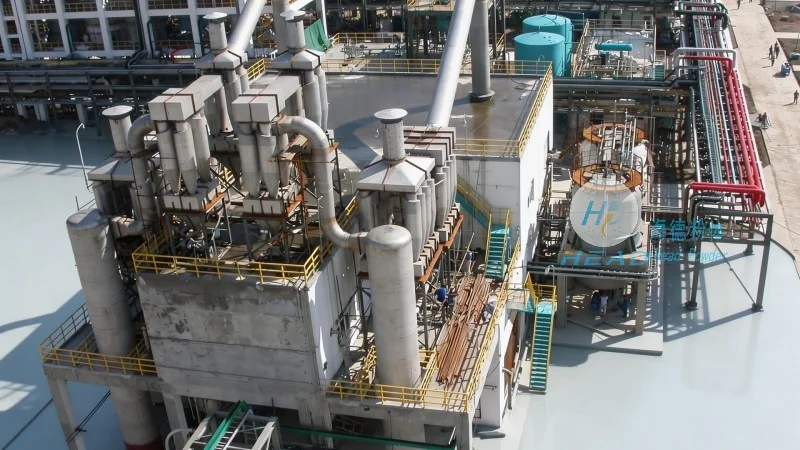
Introduction to Lithium Carbonate Pneumatic Conveying Systems
Lithium carbonate is a critical raw material in the production of lithium-based batteries, which are pivotal to the global transition toward renewable energy and electric vehicles. The efficient and safe transportation of lithium carbonate from storage to processing units is essential for optimizing production lines and ensuring operational continuity. Pneumatic conveying systems offer a non-contact, low-maintenance solution for moving bulk materials like lithium carbonate, making them a preferred choice in many industrial applications.
Classification of Lithium Carbonate Pneumatic Conveying Systems
Based on the principles of material transport and system design, lithium carbonate pneumatic conveying systems can be broadly classified into several categories. The primary classification is based on the conveying method, which determines how the material is propelled through the system. The main types include:
1. Dilute Phase Pneumatic Conveying
Dilute phase systems are characterized by the material being carried in a dilute suspension within the air stream. This method is suitable for transporting fine powders over moderate distances. The system operates by injecting air at high velocity into the material stream, creating a mixture that moves through the pipeline. Dilute phase systems are often used for short to medium distance conveying, where the material is in a fine powder form. They are known for their low pressure requirements and relatively simple design, making them cost-effective for many applications.
2. Dense Phase Pneumatic Conveying
Dense phase systems, also known as low velocity or high pressure systems, transport material in a dense, slug-like form. The material is conveyed in a compacted state, reducing the risk of material degradation and blockages. This method is ideal for handling sensitive materials like lithium carbonate, which may be prone to attrition or agglomeration. Dense phase systems typically operate at lower velocities and higher pressures, ensuring a more controlled and gentle transport process. They are commonly used for longer distances and for materials that require minimal handling to preserve quality.
3. Hybrid Pneumatic Conveying Systems
Hybrid systems combine elements of both dilute and dense phase technologies to achieve optimal performance. These systems may use a combination of high and low velocity air streams, or integrate different conveying modes within a single pipeline. Hybrid systems are designed to address specific operational challenges, such as varying material properties or distance requirements. For instance, a hybrid system might use a dilute phase for the initial transport and then transition to a dense phase for the final delivery, ensuring efficient and reliable material handling throughout the process.
Key Components and Design Considerations
Each classification of lithium carbonate pneumatic conveying systems incorporates specific components and design considerations to ensure effective operation. The core components include feeders, conveying lines, air sources, and control systems. The design of these components is critical to the system's performance and reliability.
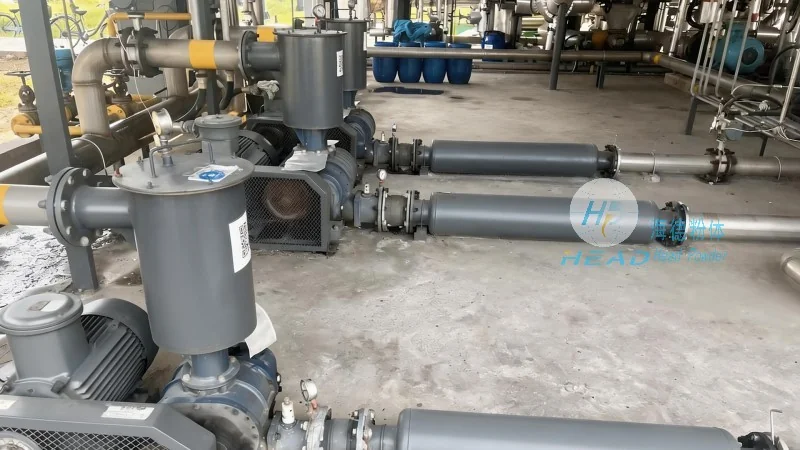
Feeders and Material Handling
The feeder is a critical component that ensures a consistent and controlled flow of lithium carbonate into the conveying system. For fine powders like lithium carbonate, rotary feeders or screw feeders are commonly used. These devices provide a steady material feed, preventing surges or blockages that could disrupt the conveying process. The feeder must be designed to handle the specific characteristics of lithium carbonate, such as its particle size, density, and flowability. Proper feeder selection is essential to maintain system efficiency and prevent material degradation.
Conveying Lines and Air Systems
The conveying lines, typically made of stainless steel or other corrosion-resistant materials, are designed to withstand the abrasive nature of lithium carbonate particles. The air system, which includes compressors, filters, and regulators, provides the necessary pressure and airflow to move the material. The design of the air system is crucial for maintaining consistent pressure and preventing contamination. Proper air filtration is essential to protect the system from dust and particulate matter, which can affect performance and longevity.
Control and Monitoring Systems
Modern pneumatic conveying systems are equipped with advanced control and monitoring systems to ensure optimal operation. These systems may include sensors for pressure, flow, and material level, as well as control panels for system management. The control system allows operators to monitor the conveying process in real-time and make adjustments as needed. This helps to prevent system failures, optimize energy usage, and ensure the safe handling of lithium carbonate. The integration of automation and digital controls enhances the reliability and efficiency of the system, making it suitable for continuous industrial operations.
Applications in Industrial Settings
Lithium carbonate pneumatic conveying systems are widely used in various industrial applications, particularly in the lithium battery manufacturing industry. The systems are employed in different stages of the production process, from raw material handling to finished product packaging. The following are some key applications:
1. Raw Material Handling and Storage
In the initial stages of lithium processing, lithium carbonate is often stored in bulk containers and then transferred to processing units. Pneumatic conveying systems are used to move the material from storage silos to feeders or reactors. This method allows for the safe and efficient transfer of large quantities of material without the need for manual handling. The systems are designed to handle the bulk storage and transport of lithium carbonate, ensuring that the material is kept in a dry and stable condition.
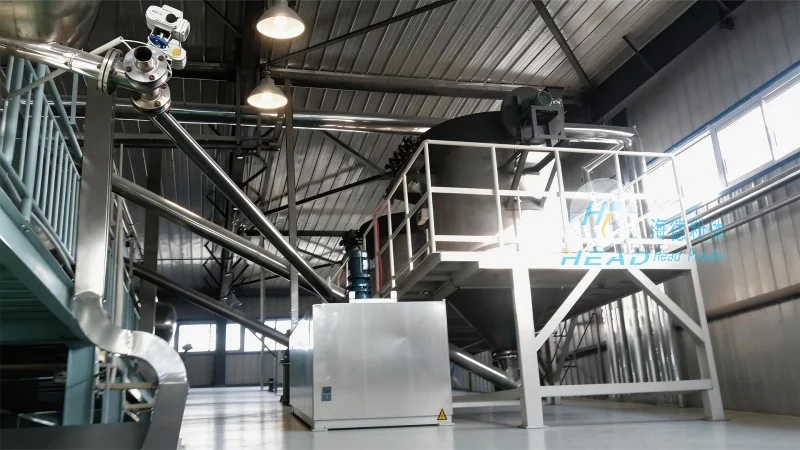
2. Process Integration and Transfer
During the lithium battery production process, lithium carbonate is often transferred between different processing units, such as reactors, filters, and dryers. Pneumatic conveying systems are integrated into these processes to ensure seamless material transfer. The systems are designed to handle the material at various stages of the process, from raw material to intermediate products. This integration helps to optimize the production line, reduce downtime, and improve overall efficiency.
3. Final Product Packaging and Distribution
After the lithium carbonate has been processed into a usable form, it is often packaged and distributed to customers. Pneumatic conveying systems are used to move the final product from processing units to packaging lines. The systems are designed to handle the final product in a controlled manner, ensuring that the material is not contaminated or damaged during transport. This helps to maintain product quality and meet customer specifications.
Benefits and Advantages of Lithium Carbonate Pneumatic Conveying Systems
Implementing lithium carbonate pneumatic conveying systems offers several benefits to industrial operations. These systems are designed to enhance efficiency, reduce costs, and improve safety in material handling processes. The key advantages include:
1. Non-Contact Material Handling
One of the primary benefits of pneumatic conveying is the non-contact handling of materials. Unlike mechanical conveyors, which may cause abrasion or degradation of the material, pneumatic systems use air to transport the material. This non-contact method helps to preserve the quality of lithium carbonate, ensuring that the material remains in its original state throughout the conveying process. It is particularly important for sensitive materials like lithium carbonate, which may be prone to changes in particle size or structure.
2. Reduced Maintenance and Downtime
Pneumatic conveying systems typically require less maintenance compared to traditional mechanical systems. The absence of moving parts in the conveying line reduces the risk of wear and tear, leading to lower maintenance costs and less downtime. This is especially beneficial for continuous production processes, where downtime can result in significant losses. The simple design of pneumatic systems also makes them easier to repair and maintain, reducing the overall operational costs.
3. Enhanced Safety and Environmental Protection
Pneumatic conveying systems are designed with safety and environmental considerations in mind. The systems are enclosed, preventing dust and particulate emissions from entering the workplace. This reduces the risk of respiratory issues and other health hazards associated with handling fine powders. Additionally, the systems are equipped with filtration and dust collection systems to ensure that any emissions are contained and managed. This helps to comply with environmental regulations and maintain a safe working environment.