

Classification and Application Analysis of Pearl Luster Sand Powder Pneumatic Conveying Systems
Pneumatic conveying systems are critical in the handling and transportation of fine powders, including pearl luster sand powder, which is widely used in industries such as cosmetics, ceramics, and coatings. The efficiency and reliability of these systems directly impact production processes and material quality. This article provides a comprehensive classification of pneumatic conveying systems for pearl luster sand powder and analyzes their practical applications, with a focus on the expertise of Shandong HeadPowder Engineering Co., Ltd., a leading provider in the field.

Key Information of Shandong HeadPowder Engineering Co., Ltd.
As a professional manufacturer and supplier, Shandong HeadPowder Engineering Co., Ltd. specializes in the design, development, and implementation of advanced pneumatic conveying solutions. The company is headquartered in Shandong, China, and operates under the brand name headpowder. Their systems are engineered to meet the unique demands of various industries, ensuring optimal performance and durability for transporting pearl luster sand powder and other fine materials.
Classification of Pneumatic Conveying Systems for Pearl Luster Sand Powder
Pneumatic conveying systems for pearl luster sand powder can be broadly categorized into several types based on their operational principles and design features. The primary classifications include:
1. Dilute Phase Conveying Systems: These systems operate by moving the powder in a dilute suspension within the conveying line. They are characterized by low pressure and high velocity, making them suitable for long-distance and high-volume transportation. Dilute phase systems are ideal for applications where the powder is non-abrasive and requires minimal pressure to maintain flow.
2. Dense Phase Conveying Systems: In contrast to dilute phase systems, dense phase systems transport the powder in a more concentrated state, often at higher pressures and lower velocities. This method is particularly effective for handling abrasive or sensitive materials, as it reduces particle impact and wear on system components. Dense phase conveying is commonly used when the powder needs to be delivered gently to avoid degradation or caking.
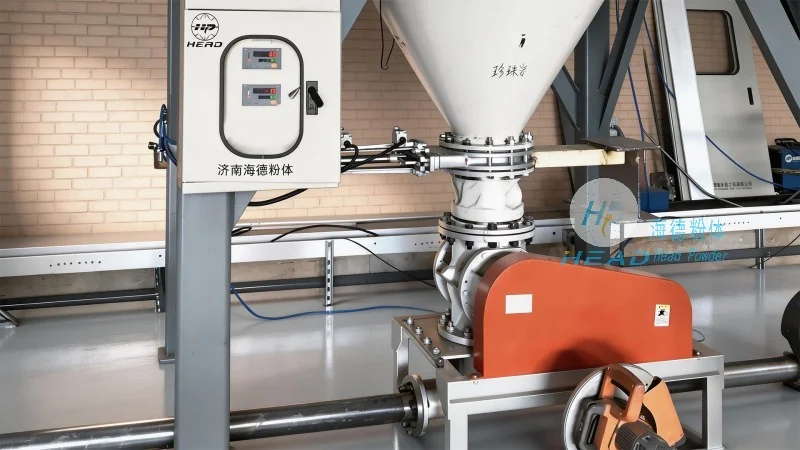
3. Vacuum Conveying Systems: These systems use a vacuum to draw the powder from a source and transport it to a destination. They are well-suited for applications where the powder is to be collected from multiple points or where the material is light and requires gentle handling. Vacuum conveying systems are often preferred in environments where dust control is a priority, as they operate under negative pressure.
4. Pressure Conveying Systems: Operating under positive pressure, these systems push the powder through the conveying line using compressed air or other gases. They are suitable for applications requiring high pressure and high flow rates, such as in large-scale production facilities. Pressure conveying systems are efficient for transporting large quantities of powder over short to medium distances.
Application Analysis of Different Pneumatic Conveying Systems
The choice of pneumatic conveying system for pearl luster sand powder depends on several factors, including the material properties, production scale, and operational requirements. Each system type has specific advantages and is best suited for particular applications:
Dilute Phase Systems in Cosmetics Manufacturing: In the cosmetics industry, pearl luster sand powder is used to add a shimmering effect to products like foundations, powders, and lipsticks. Dilute phase conveying systems are commonly employed here due to their ability to handle fine powders without causing agglomeration. The low pressure and high velocity ensure that the powder is transported efficiently while maintaining its quality and particle size distribution.
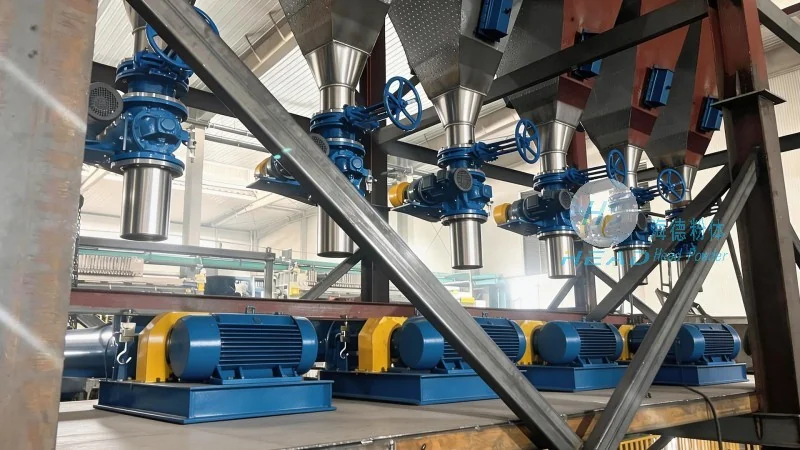
Dense Phase Systems in Ceramic Production: The ceramics industry utilizes pearl luster sand powder as a glaze or decorative additive. Dense phase conveying systems are preferred in this sector because they provide gentle handling, reducing the risk of particle damage or wear on the glaze. This method is particularly important when the powder is used in high-value ceramic products, where consistency and quality are critical.
Vacuum Conveying in Pharmaceutical Processing: For pharmaceutical applications, where the safety and purity of the powder are paramount, vacuum conveying systems are often chosen. These systems operate under negative pressure, minimizing the risk of cross-contamination and ensuring that the powder is handled in a sterile environment. The gentle suction action also helps maintain the integrity of the powder particles, which is essential for pharmaceutical grade materials.
Pressure Conveying in Coating Industries: In the coating industry, large volumes of pearl luster sand powder are needed for surface treatments. Pressure conveying systems are ideal for this application due to their high flow rates and ability to transport large quantities over medium distances. The positive pressure ensures that the powder is delivered continuously and reliably, supporting high-speed production lines.
Advantages and Considerations for Pneumatic Conveying Systems
When selecting a pneumatic conveying system for pearl luster sand powder, several advantages and considerations must be taken into account. The primary benefits include:
Efficiency and Cost-Effectiveness: Pneumatic conveying systems offer high material throughput with minimal labor requirements, reducing operational costs. They eliminate the need for manual handling and reduce the risk of material loss or contamination, which can be costly in industries dealing with fine powders.
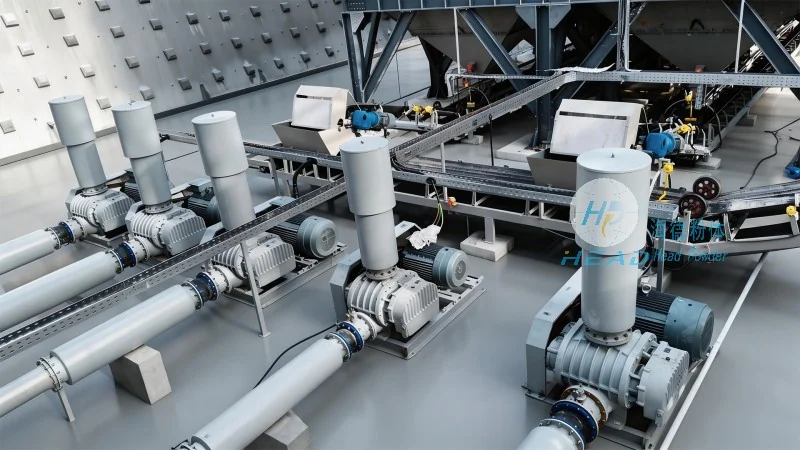
Flexibility and Versatility: These systems can be easily integrated into existing production lines and adapted to different material types and processing requirements. The modular design allows for customization, ensuring that the system meets the specific needs of the application.
Reduced Downtime and Maintenance: Advanced pneumatic conveying systems are designed with durable components and minimal moving parts, reducing the risk of breakdowns and minimizing maintenance requirements. This leads to increased system reliability and lower long-term operational costs.
However, there are also considerations to keep in mind. For example, the choice of system affects the pressure drop and energy consumption, which can impact overall operational costs. Additionally, the material properties of the pearl luster sand powder, such as its abrasiveness or moisture content, can influence the system's performance and lifespan. Proper system selection and maintenance are crucial to maximize efficiency and extend the life of the equipment.
Conclusion
Pneumatic conveying systems play a vital role in the efficient and reliable transportation of pearl luster sand powder across various industries. The classification of these systems, including dilute phase, dense phase, vacuum, and pressure types, allows for tailored solutions that meet the specific requirements of different applications. Shandong HeadPowder Engineering Co., Ltd. provides comprehensive expertise in designing and implementing these systems, ensuring that clients can benefit from advanced technology and optimal performance. By understanding the characteristics of each system and considering the specific needs of their operations, businesses can select the most suitable pneumatic conveying solution for their pearl luster sand powder handling requirements, ultimately enhancing productivity and material quality.