

Main Air-Pneumatic Conveying Structures for Fly Ash Handling
When it comes to the efficient and reliable transportation of fly ash, the choice of air-pneumatic conveying structure is critical. Proper selection ensures optimal performance, minimal maintenance, and compliance with environmental standards. This article explores the main air-pneumatic conveying structures used in fly ash handling systems, providing insights into their design, functionality, and applications.
Introduction to Air-Pneumatic Conveying Systems
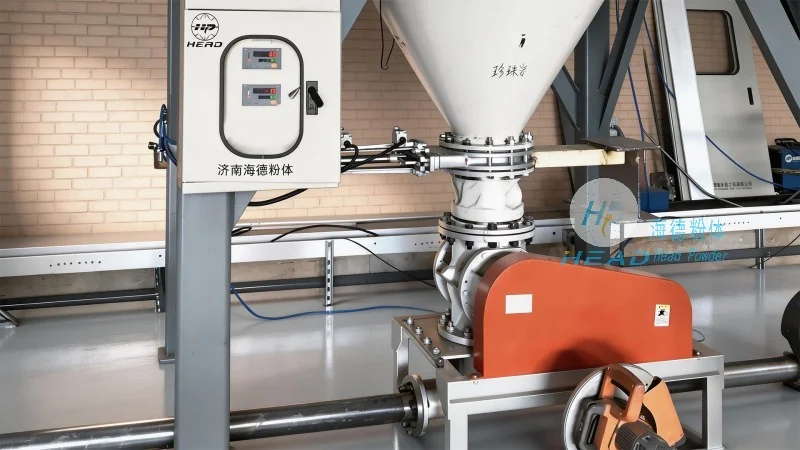
Air-pneumatic conveying systems are widely used in industrial applications to transport bulk materials like fly ash from one location to another. These systems utilize the force of compressed air to move materials through a pipeline network. The primary advantage of such systems is their ability to handle materials with high moisture content or abrasive properties, which are common in fly ash applications. The effectiveness of the system depends heavily on the type of conveying structure employed.
Key Air-Pneumatic Conveying Structures
Several air-pneumatic conveying structures are commonly used in fly ash handling. Each has its own unique characteristics and is suited to specific operational requirements. The main structures include:
1. Positive Pressure Conveying Systems
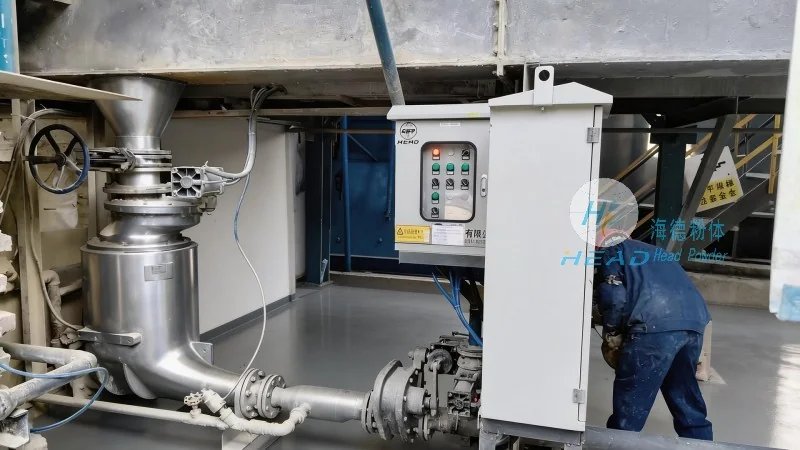
Positive pressure conveying systems operate by blowing air into the material stream, creating a positive pressure within the pipeline. This method is particularly effective for transporting fly ash over long distances or through complex network layouts. The system typically includes a blower, a hopper for material storage, and a series of pipelines with in-line valves and filters. The positive pressure ensures that the material is continuously moved through the system, reducing the risk of blockages and ensuring consistent flow rates. This structure is often preferred in applications where the fly ash needs to be delivered to multiple destinations or over extended distances.
2. Negative Pressure (Vacuum) Conveying Systems
Negative pressure conveying systems, also known as vacuum systems, operate by creating a vacuum in the pipeline to draw material from the source. The material is then carried through the pipeline by the suction force generated by the vacuum pump. This method is ideal for applications where the fly ash needs to be collected from multiple points or where the material source is at a higher elevation than the destination. The vacuum system is generally more compact and can handle materials with lower moisture content compared to positive pressure systems. However, it may be less efficient for long-distance transport due to the energy required to maintain the vacuum.
3. Mixed Pressure (Bi-Directional) Conveying Systems
Mixed pressure or bi-directional conveying systems combine elements of both positive and negative pressure systems. These systems can operate in either positive or negative pressure modes, depending on the direction of material flow. This flexibility makes them suitable for complex conveying networks where material may need to be transported in both directions. The mixed pressure system typically includes a central blower or vacuum pump that can switch between modes as needed. This structure is often used in large-scale industrial facilities where multiple material sources and destinations are involved, providing versatility and operational efficiency.
4. Dense Phase Conveying Systems
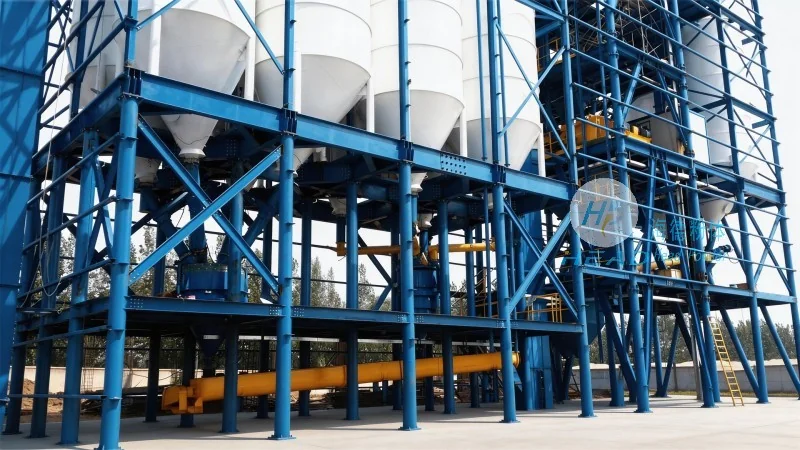
Dense phase conveying is a specialized form of air-pneumatic conveying that operates at a higher material concentration than conventional systems. In this mode, the material is conveyed in a dense, plug-like flow, reducing the velocity of the material and minimizing wear on the pipeline and equipment. This method is particularly beneficial for transporting fly ash with high moisture content or abrasive particles, as it reduces the risk of material degradation and equipment damage. The dense phase system typically uses a higher air-to-material ratio and operates at lower velocities compared to dilute phase systems. It is often used in applications where the material needs to be transported over short to medium distances with minimal pressure drop.
5. Dilute Phase Conveying Systems
Dilute phase conveying systems operate at a lower material concentration, with the material suspended in the air stream. This method is suitable for transporting fly ash over long distances or through large-diameter pipelines. The dilute phase system is generally more energy-efficient for long-distance transport but may require larger pipelines and more robust filtration systems to prevent material deposition. The system typically uses a higher air velocity to keep the material suspended and maintain flow. Dilute phase conveying is often used in applications where the fly ash needs to be delivered to a single destination over extended distances, such as from a power plant to a storage facility.
Selection Criteria for Air-Pneumatic Conveying Structures
The choice of air-pneumatic conveying structure depends on several factors, including the distance of transport, the material characteristics (such as moisture content, particle size, and abrasiveness), the number of destinations, and the overall system layout. For example, positive pressure systems are often preferred for long-distance transport due to their higher efficiency and ability to handle complex networks. Negative pressure systems are more suitable for short-distance or collection applications where the material source is elevated. Mixed pressure systems offer flexibility for large-scale operations, while dense and dilute phase systems are selected based on the material's physical properties and the required flow characteristics.
Advantages and Considerations
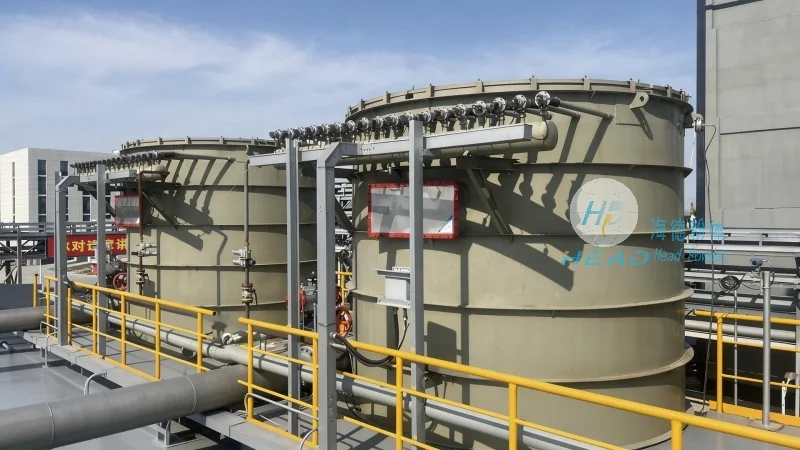
Each air-pneumatic conveying structure has its own advantages and considerations. Positive pressure systems provide high efficiency and are suitable for long distances but may require more maintenance due to higher air pressure. Negative pressure systems are more compact and can handle lower moisture content materials but may be less efficient for long-distance transport. Mixed pressure systems offer versatility but can be more complex to operate. Dense phase systems reduce wear and material degradation but may have lower throughput compared to dilute phase systems. Dilute phase systems are energy-efficient for long distances but may require larger equipment and more filtration.
Conclusion
Selecting the appropriate air-pneumatic conveying structure is essential for the efficient handling of fly ash. The main structures—positive pressure, negative pressure, mixed pressure, dense phase, and dilute phase—each offer unique benefits and are suited to specific operational requirements. By understanding the characteristics of each system and considering factors such as distance, material properties, and system layout, industrial facilities can choose the most effective conveying solution. This ensures optimal performance, minimal maintenance, and compliance with environmental regulations, ultimately contributing to the overall efficiency and sustainability of fly ash handling operations.