

Components of Pneumatic Rice Conveying
For businesses involved in the rice processing industry, understanding the components of a pneumatic rice conveying system is crucial for efficient operations and optimal performance. A well-designed system ensures the safe and reliable transport of rice from one stage of processing to another, minimizing losses and enhancing overall productivity. This article will explore the key components that make up a typical pneumatic rice conveying system, providing insights into how each part contributes to the system's functionality.
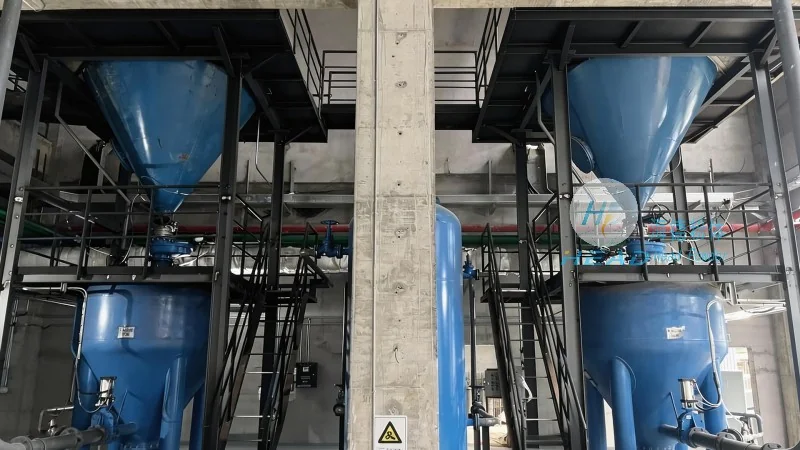
Key Components of Pneumatic Rice Conveying Systems
The core of any pneumatic rice conveying system is the air supply unit, which generates the necessary pressure or vacuum to move the rice particles. This component typically includes a blower or a vacuum pump, depending on the system's design. The blower provides positive pressure, pushing the rice through the system, while the vacuum pump creates a negative pressure, drawing the rice into the system. The choice between a blower and a vacuum pump depends on factors such as the distance the rice needs to be conveyed, the volume of material, and the system's overall layout. For example, centrifugal blowers are commonly used for long-distance conveying due to their high airflow capacity, while positive displacement blowers like the roots blower are preferred for high-pressure applications. The air supply unit is also equipped with a motor to drive the fan or pump, and a control panel to regulate the speed and pressure as needed.
Conveying Lines and Tubing
Conveying lines, often made of stainless steel or plastic, form the main pathway for the rice. These lines are designed to withstand the pressure and temperature variations associated with rice processing. The material of the tubing is critical as it must be resistant to corrosion and abrasion from the rice grains. Stainless steel is commonly used due to its durability and hygienic properties, making it suitable for food processing applications. The diameter and length of the conveying lines are carefully selected to ensure efficient material flow and minimize pressure drop, which can affect the system's performance. Additionally, the lines are equipped with bends and elbows that are designed to minimize turbulence and maintain the flow velocity, preventing material accumulation and blockages.
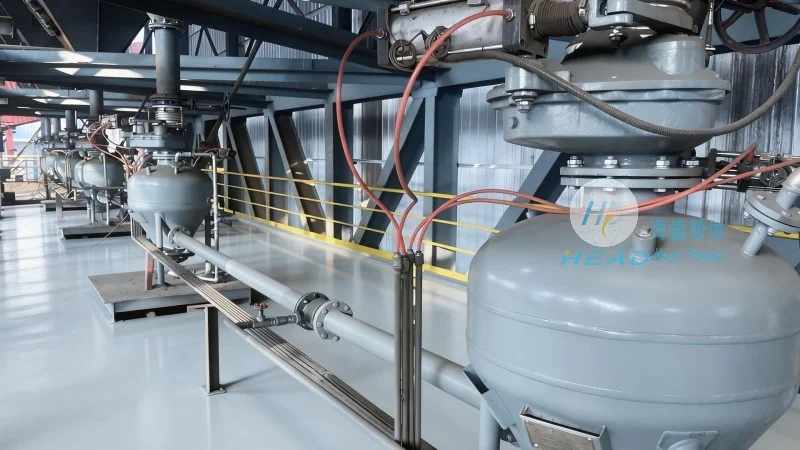
Feeding and Discharge Equipment
Feeding equipment, such as hoppers or feeders, is responsible for introducing the rice into the conveying system. Hoppers are used to store and feed the rice at a controlled rate, preventing overloading and ensuring a steady flow. The design of the hopper, including its shape and the position of the discharge outlet, affects the uniformity of the material feed. For instance, a conical hopper with a slow discharge rate is ideal for preventing the rice from flowing too quickly and causing uneven distribution. Discharge equipment, on the other hand, is used to remove the rice from the system at the receiving end. This may include rotary valves, gate valves, or other types of discharge devices that control the flow of rice to the next processing stage. Properly designed feeding and discharge equipment is essential for maintaining the system's efficiency and preventing material buildup or blockages. These devices are typically made of stainless steel to ensure durability and easy cleaning.
Control and Monitoring Systems
Modern pneumatic rice conveying systems are equipped with control and monitoring systems to ensure optimal operation. These systems typically include pressure sensors, flow meters, and control valves that regulate the air pressure and flow rate. Pressure sensors monitor the pressure within the conveying lines, alerting operators to any changes that may indicate a blockage or system malfunction. Flow meters measure the volume of rice being conveyed, providing real-time data on the system's performance. Control valves, such as butterfly valves or ball valves, allow operators to adjust the air pressure and flow rate as needed, ensuring the system operates within its optimal parameters. These monitoring systems help in maintaining the system's efficiency and reducing downtime. Additionally, some systems may include a programmable logic controller (PLC) that automates the entire process, allowing for remote monitoring and control.
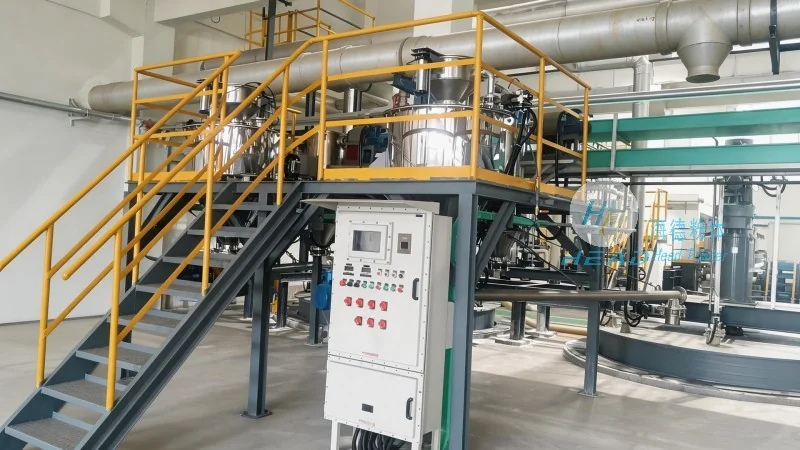
Filter and Dust Collection Systems
Due to the nature of rice processing, dust and fine particles are generated during the conveying process. To maintain a clean and safe working environment, filter and dust collection systems are essential components of the pneumatic rice conveying system. These systems typically include cyclone separators, bag filters, or cartridge filters that capture the dust and particles from the air stream. The air, now free of contaminants, is then released back into the environment or recirculated back into the system. Proper maintenance of the filter system is crucial to ensure its effectiveness and prevent clogging, which can lead to system inefficiencies or even failure. The cyclone separator, for example, uses centrifugal force to separate the larger particles from the air, while the bag filter traps smaller particles using a fabric medium. Regular cleaning and replacement of the filter elements are necessary to maintain the system's performance.
Company Information: Shandong HeadPowder Engineering Co., Ltd.
Shandong HeadPowder Engineering Co., Ltd., commonly known as HeadPowder, is a leading manufacturer of pneumatic conveying systems for the rice processing industry. With a focus on quality and innovation, HeadPowder provides comprehensive solutions tailored to the specific needs of rice processors. The company's headquarters is located in Shandong, China, where it has established a strong presence in the industry. HeadPowder's expertise in designing and manufacturing pneumatic conveying systems has helped numerous rice processing facilities improve their operational efficiency and reduce costs. By leveraging advanced technology and a deep understanding of the industry's requirements, HeadPowder continues to be a trusted partner for businesses seeking reliable and efficient conveying solutions. The company's commitment to customer satisfaction and product excellence has made it a preferred choice among rice processing companies worldwide.