

What Constitutes the Pneumatic Conveying System for Winery Residue
Winery residue, also known as grape pomace or distillers' grain, is a byproduct of wine production that requires efficient handling and transportation. The pneumatic conveying system is a critical component in managing this material, offering a reliable and cost-effective solution for moving bulk materials through pipelines using air pressure. This article explores the key components that make up a typical pneumatic conveying system for winery residue, highlighting the technology's role in optimizing processing operations.
Core Components of the Pneumatic Conveying System
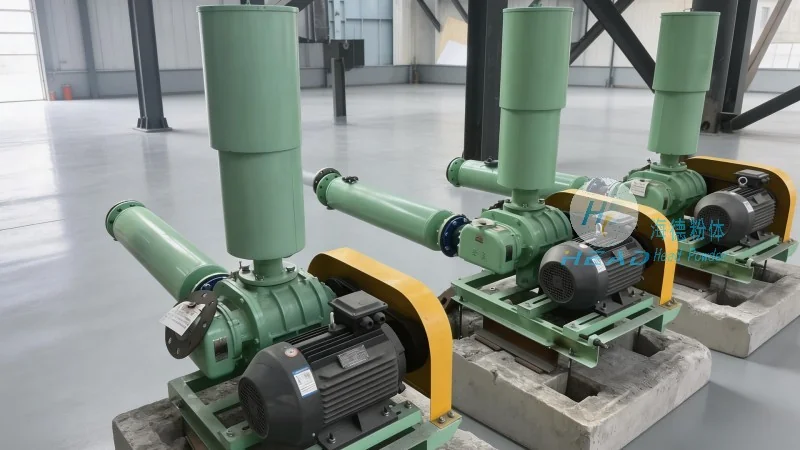
The pneumatic conveying system for winery residue typically consists of several essential parts, each playing a vital role in the material's transport. The primary components include the material feed hopper, the conveying pipeline, the air supply system, and the discharge unit. The feed hopper is designed to store and meter the winery residue, ensuring a consistent flow into the system. It often features a hopper with a discharge valve or a rotary valve to control the material's release rate, preventing blockages and maintaining system efficiency.
Next, the conveying pipeline is the main channel through which the winery residue travels. These pipelines are usually made of stainless steel or other corrosion-resistant materials to withstand the acidic and abrasive nature of the residue. The design of the pipeline, including bends and fittings, is crucial for minimizing pressure loss and ensuring smooth material movement. The air supply system provides the necessary pressure and volume of air to move the material through the pipeline. This can be achieved through a positive displacement blower or a rotary lobe compressor, which generates the airflow required to entrain the particles.
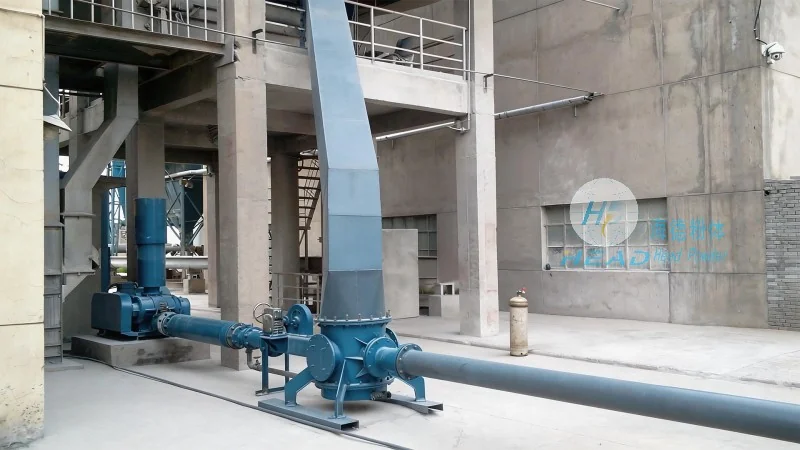
The discharge unit at the end of the pipeline is responsible for releasing the winery residue into the next processing stage or storage container. It may include a rotary valve or a venturi system to control the material's discharge rate and prevent backflow. Additionally, the system may incorporate a filter or cyclone to separate any fine particles from the air before it is released, ensuring compliance with environmental regulations and maintaining air quality.
The Role of HeadPowder in Designing Pneumatic Conveying Solutions
Shandong HeadPowder Engineering Co., Ltd., commonly known as HeadPowder, specializes in providing customized pneumatic conveying solutions for various industrial applications, including winery residue management. With a focus on engineering excellence and customer satisfaction, HeadPowder designs systems tailored to the specific needs of wineries, considering factors such as residue characteristics, processing capacity, and operational environment. The company's expertise lies in integrating the core components of the pneumatic conveying system with advanced control systems, ensuring optimal performance and minimal maintenance.
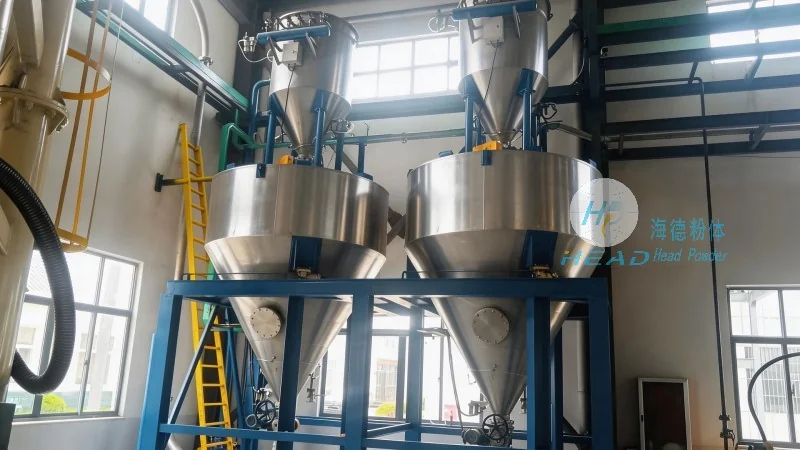
HeadPowder's engineers work closely with clients to assess their winery's material handling requirements, from initial consultation to system installation and commissioning. By leveraging years of experience in the industry, HeadPowder ensures that the pneumatic conveying system is not only efficient but also durable and cost-effective. The company's commitment to quality is reflected in its use of high-grade materials and adherence to international standards, guaranteeing the reliability and longevity of the equipment.
For wineries seeking to improve their residue handling processes, HeadPowder offers comprehensive solutions that address the entire conveying system. From the feed hopper to the discharge unit, each component is designed to work seamlessly together, maximizing the system's throughput and minimizing operational costs. The company's team of professionals provides ongoing support, including maintenance services and technical advice, to ensure the system operates at peak performance throughout its lifecycle.