

Components of High-Calcium Limestone Powder Pneumatic Conveying
High-calcium limestone powder pneumatic conveying systems are integral to various industrial processes, particularly in sectors requiring efficient material handling of fine powders. Understanding the components that make up such systems is crucial for optimizing performance, ensuring safety, and maintaining operational efficiency. This article provides a detailed overview of the key components involved in high-calcium limestone powder pneumatic conveying, highlighting their functions and importance in the overall system.
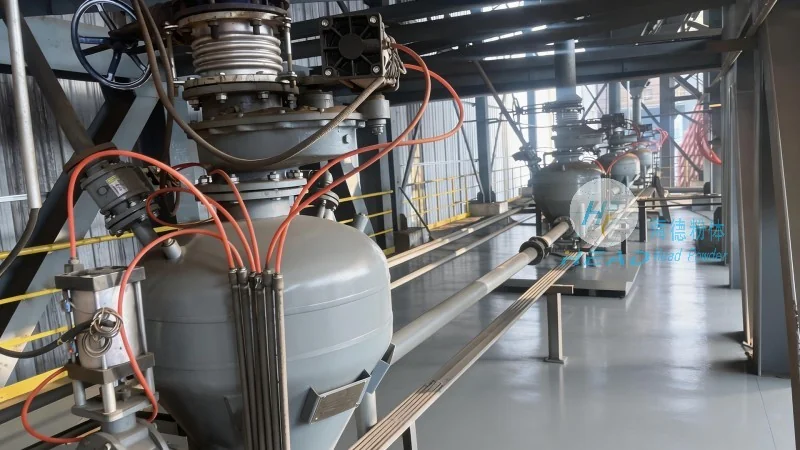
Core Components of High-Calcium Limestone Powder Pneumatic Conveying Systems
The primary components of a high-calcium limestone powder pneumatic conveying system typically include the material feed hopper, air compressor or blower, conveying line, dust collector, and control system. Each component plays a vital role in the seamless transport of limestone powder from the source to the destination. The material feed hopper is responsible for storing and feeding the limestone powder into the system, ensuring a consistent flow rate. The air compressor or blower generates the necessary air pressure to move the powder through the conveying line. The conveying line, often made of metal or flexible tubing, transports the powder and air mixture. The dust collector is essential for capturing any airborne particles, ensuring compliance with environmental regulations and maintaining a clean working environment. The control system manages the operation of all components, allowing for adjustments based on operational needs.
Material Feed Hopper and Feeding Mechanism
The material feed hopper is a critical component in high-calcium limestone powder pneumatic conveying systems. It is designed to hold a sufficient quantity of limestone powder to support continuous operation, minimizing downtime due to material replenishment. The hopper is equipped with a feeding mechanism, such as a rotary valve or screw feeder, which regulates the flow of powder into the conveying line. This mechanism ensures a controlled and steady feed rate, preventing overloading or underfeeding that could affect system performance. The design of the hopper also considers the properties of limestone powder, such as its density and flowability, to prevent bridging or caking, which can disrupt the feeding process. The feeding mechanism is typically integrated with the hopper to form a compact unit, optimizing space and ensuring smooth operation.
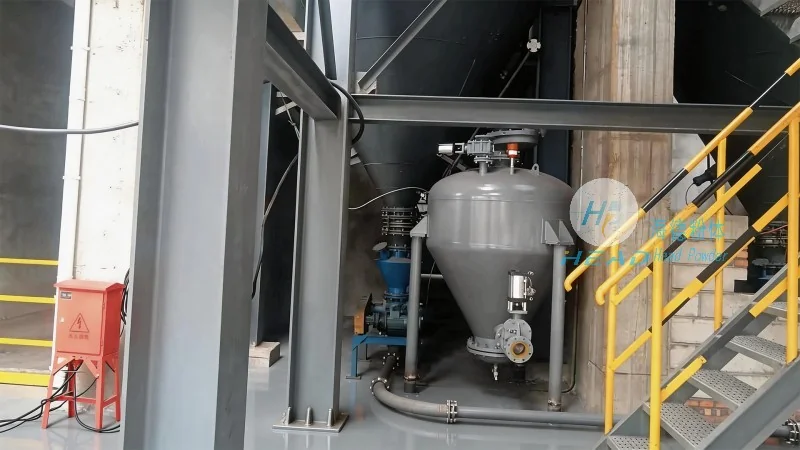
Air Compressor or Blower System
The air compressor or blower is the heart of the high-calcium limestone powder pneumatic conveying system, responsible for generating the pressure and airflow required to transport the limestone powder. There are different types of air compressors and blowers available, including positive displacement blowers, centrifugal blowers, and rotary lobe blowers, each with its own advantages and applications. For high-calcium limestone powder, positive displacement blowers are commonly used due to their ability to provide consistent pressure and airflow, even with varying powder loads. The compressor or blower is connected to the conveying line via a duct or pipe, ensuring a continuous flow of air that carries the powder particles. The system is designed to handle the specific characteristics of limestone powder, such as its particle size and moisture content, to prevent clogging or damage to the equipment. Regular maintenance of the air compressor or blower is essential to ensure optimal performance and longevity.
Conveying Line and Pipe Design
The conveying line is a crucial component that transports the limestone powder and air mixture from the feed hopper to the destination point. The design of the conveying line depends on several factors, including the distance to be covered, the volume of material to be conveyed, and the properties of the limestone powder. Conventional conveying lines are typically made of stainless steel or other corrosion-resistant materials to withstand the abrasive nature of limestone powder and prevent wear and tear. Flexible tubing is also used in some applications, particularly for short-distance or portable systems, offering flexibility and ease of installation. The diameter and length of the conveying line are carefully selected to maintain the required air velocity and pressure, ensuring efficient powder transport without excessive energy consumption. The line is equipped with appropriate fittings, such as elbows and tees, to direct the flow and minimize pressure losses. Regular inspection and cleaning of the conveying line are necessary to prevent blockages and maintain system efficiency.
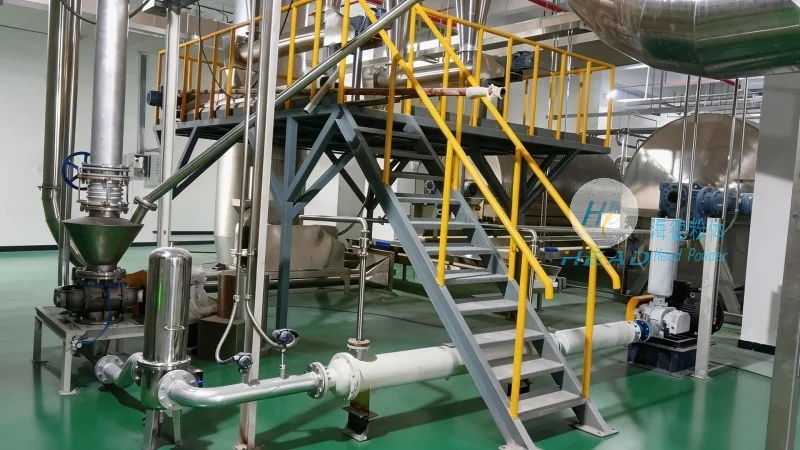
Dust Collector and Filtration System
The dust collector is an essential component in high-calcium limestone powder pneumatic conveying systems, responsible for capturing and removing airborne particles from the system. It is designed to handle the high volume of dust generated during the conveying process, ensuring compliance with environmental regulations and maintaining a safe working environment. The dust collector typically consists of a housing, a filter media, and a cleaning mechanism. The filter media, often made of fabric or synthetic materials, traps the powder particles as the air passes through. The cleaning mechanism, such as reverse air or pulse jet, periodically cleans the filter to maintain its efficiency. The collected powder is then discharged into a collection bin or hopper for reuse or disposal. The dust collector is connected to the conveying line at the discharge end, ensuring that all airborne particles are captured before they are released into the environment. The design of the dust collector is optimized to handle the specific characteristics of limestone powder, such as its particle size and moisture content, to prevent clogging and ensure effective filtration.
Control System and Automation
The control system is a critical component that manages the operation of all parts of the high-calcium limestone powder pneumatic conveying system. It is responsible for monitoring and controlling the flow rate of powder, the pressure and airflow of the air compressor, and the operation of the dust collector. The control system typically includes sensors, such as pressure sensors and flow meters, which provide real-time data on the system's performance. This data is used to adjust the system parameters, ensuring optimal operation and preventing issues such as overloading or underfeeding. The control system can be integrated with a programmable logic controller (PLC) or a computer-based system, allowing for automated operation and remote monitoring. This automation enhances the efficiency and reliability of the system, reducing the need for manual intervention and minimizing the risk of human error. The control system is designed to be user-friendly, with clear displays and easy-to-use interfaces, making it accessible to operators with varying levels of technical expertise.
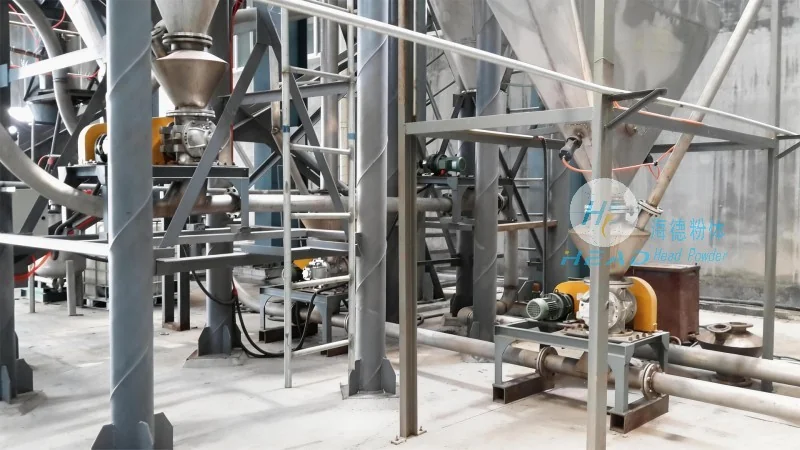
Additional Components and Accessories
Beyond the core components, high-calcium limestone powder pneumatic conveying systems may include additional components and accessories to enhance performance and safety. These may include check valves, which prevent backflow of powder and air, and pressure relief valves, which protect the system from overpressure. The system may also include temperature sensors and alarms to monitor the temperature of the powder and air, preventing overheating or fire hazards. Additionally, some systems may incorporate vibration dampeners or isolators to reduce noise and vibration, improving the working environment. These accessories are essential for maintaining the efficiency and safety of the system, and their proper selection and installation are crucial for optimal performance.
Understanding the components of high-calcium limestone powder pneumatic conveying systems is essential for selecting the right equipment and ensuring its proper operation. Each component plays a vital role in the overall system, and their proper integration and maintenance are key to achieving efficient and reliable material handling. By considering the specific requirements of the limestone powder and the operational conditions, manufacturers and users can design and operate systems that meet their needs while adhering to safety and environmental regulations. The components discussed in this article provide a comprehensive overview of the key elements involved in high-calcium limestone powder pneumatic conveying, offering valuable insights for those involved in the design, installation, and operation of such systems.