

Components of Air-Driven Carbonate Limestone Powder Conveying
When discussing air-driven carbonate limestone powder conveying systems, it's essential to understand the core components that enable efficient and reliable material transport. These systems are designed to handle fine powders like carbonate limestone, which are commonly used in various industrial applications. The following sections outline the key elements that constitute such a conveying system, providing insights into the technology and its practical applications.
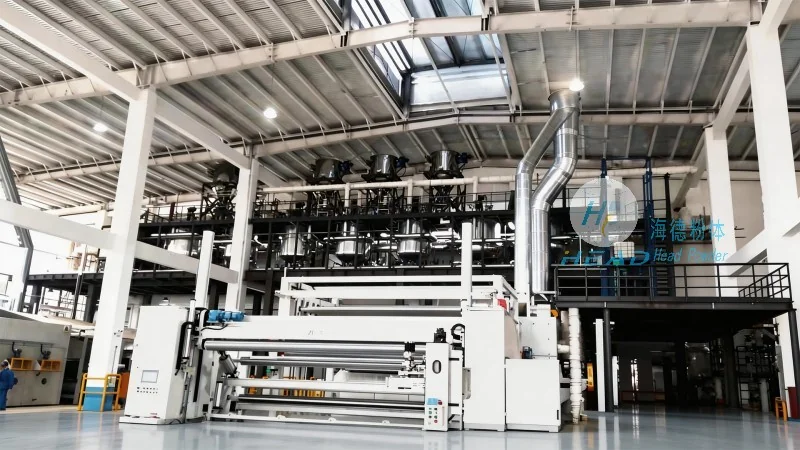
Core Components of Air-Driven Carbonate Limestone Powder Conveying Systems
The primary components of an air-driven carbonate limestone powder conveying system typically include a series of interconnected parts that work in tandem to move the material from the source to the destination. These components are engineered to ensure optimal performance, minimal downtime, and adherence to safety standards. The main elements are as follows:
1. Conveying Pipeline and Fittings
The conveying pipeline is the backbone of the system, responsible for transporting the limestone powder through the air stream. Typically made from durable materials such as stainless steel or high-density polyethylene (HDPE), these pipelines are designed to withstand the abrasive nature of the powder and the pressure of the air flow. Fittings, including elbows, tees, and reducers, are strategically placed to direct the flow and maintain consistent velocity. The pipeline layout is carefully planned to minimize pressure losses and ensure smooth material movement.
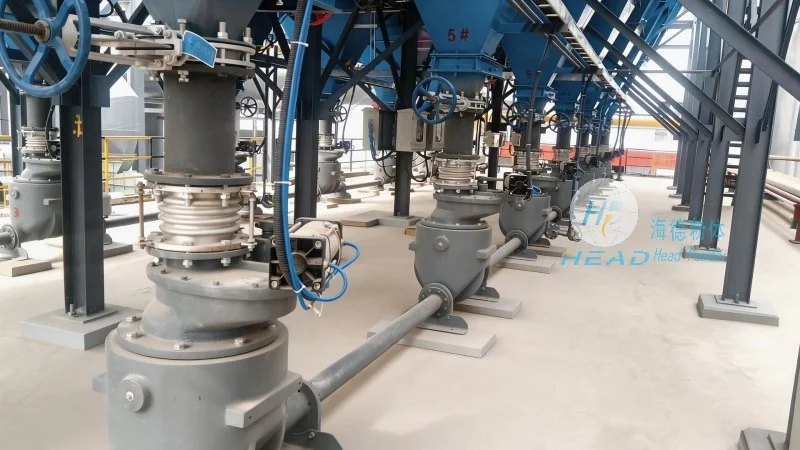
2. Air Supply System (Fan or Blower)
A critical component is the air supply system, which provides the necessary airflow to entrain and transport the limestone powder. This system usually consists of a high-efficiency fan or blower that generates sufficient pressure and volume to move the material through the pipeline. The choice of fan type—such as centrifugal, axial, or positive displacement—depends on the specific application requirements, including the material's density, particle size, and the desired conveying distance. The air supply system is often equipped with controls to regulate airflow and pressure, ensuring stable operation under varying conditions.
3. Material Feed and Hopper
The material feed and hopper are essential for introducing the limestone powder into the conveying system. The hopper is typically designed with a sloped bottom to facilitate the flow of the powder into the pipeline. It may include a feeder mechanism, such as a rotary valve or a screw feeder, to control the material discharge rate. This component ensures a consistent and controlled feed of the limestone powder, preventing blockages and maintaining system efficiency. Proper design of the hopper and feeder is crucial to avoid material buildup and ensure smooth operation.
4. Dust Separation and Collection System
As the limestone powder is conveyed through the air stream, it must be separated from the air at the destination point. The dust separation system, often a cyclone or a baghouse filter, captures the powder and returns it to the process or storage area. This component is vital for maintaining air quality and complying with environmental regulations. The efficiency of the dust separator directly impacts the overall system performance, as uncollected powder can lead to loss and contamination. Modern systems may incorporate advanced filtration technologies to enhance separation efficiency and reduce maintenance requirements.
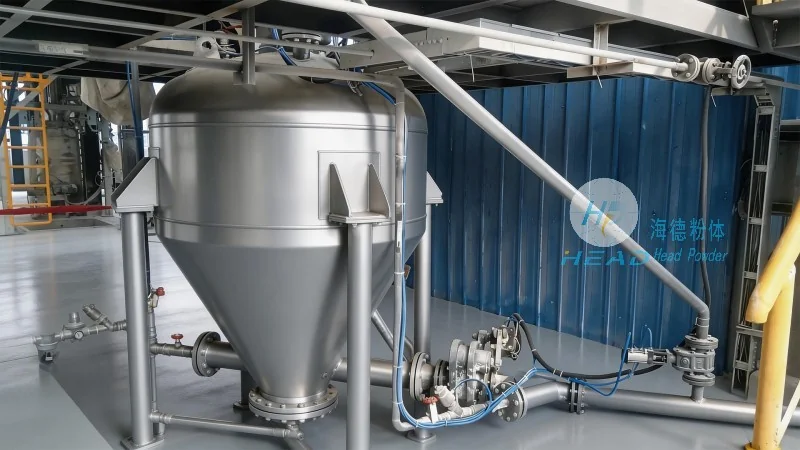
5. Control and Monitoring Equipment
Control and monitoring equipment is integral to the operation and maintenance of the air-driven conveying system. These components include pressure sensors, flow meters, and control panels that allow operators to monitor system performance in real-time. The control system may be automated, with programmable logic controllers (PLCs) that adjust airflow and pressure based on feedback from sensors. This ensures optimal operation and helps prevent issues such as overpressure or underflow. Regular monitoring and maintenance of these components are essential to extend the system's lifespan and maintain reliability.
Role of Shandong HeadPowder Engineering Co., Ltd. in Air-Driven Conveying Solutions
Shandong HeadPowder Engineering Co., Ltd., commonly known as HeadPowder, is a leading provider of air-driven carbonate limestone powder conveying systems. With operations based in Shandong, China, the company specializes in designing, manufacturing, and installing customized conveying solutions tailored to the unique needs of various industries. HeadPowder's expertise lies in understanding the specific challenges of handling fine powders like carbonate limestone, and their engineers develop systems that address these challenges effectively.
Customization and Application-Specific Solutions
HeadPowder recognizes that each application has distinct requirements, and their approach involves thorough analysis of the material properties, conveying distance, and operational conditions. By working closely with clients, the company designs systems that optimize performance, reduce energy consumption, and minimize maintenance. For example, in the chemical or pharmaceutical industries, where material purity is critical, HeadPowder may incorporate additional filtration or cleaning steps to ensure the limestone powder remains free from contaminants. In the construction sector, where large-scale material transport is required, the company may design high-capacity systems with multiple pipelines and parallel fans.
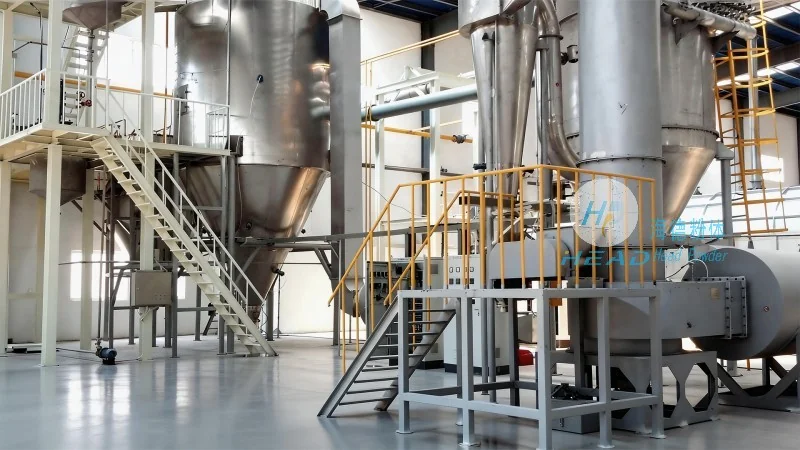
Quality Assurance and Technical Support
HeadPowder adheres to stringent quality standards in the design and manufacturing of their conveying systems. Each component is tested for durability and performance under real-world conditions, ensuring reliability and longevity. The company also provides comprehensive technical support, including installation guidance, training for operators, and maintenance services. This commitment to quality and customer service has established HeadPowder as a trusted partner in the air-driven conveying industry, helping clients achieve efficient and sustainable material handling solutions.
Conclusion: Understanding the Components for Effective Air-Driven Conveying
In summary, air-driven carbonate limestone powder conveying systems rely on a combination of key components, including pipelines, fans, feeders, dust separators, and control systems. Each element plays a critical role in ensuring the efficient transport of the material. Shandong HeadPowder Engineering Co., Ltd. leverages this understanding to deliver customized solutions that meet the specific needs of their clients. By focusing on quality, innovation, and customer support, HeadPowder continues to be a leader in providing reliable air-driven conveying systems for the handling of carbonate limestone powder and other fine materials.