

What is Metal Silicon Pneumatic Conveying? An Introduction to the Working Principle of Powder Handli
Understanding the mechanics of metal silicon pneumatic conveying is crucial for industries dealing with fine powders. This article delves into the working principles of powder handling systems, specifically focusing on the technology used to transport metal silicon, a key material in various industrial applications.
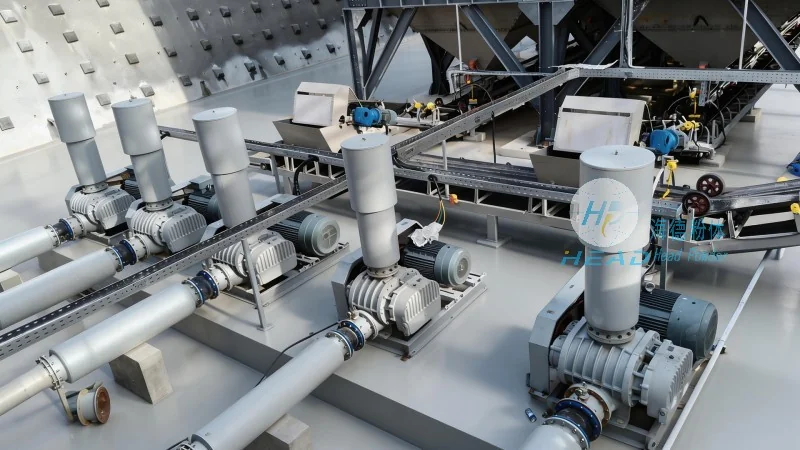
Introduction to Pneumatic Conveying Systems
Pneumatic conveying, or air-based powder transport, is a method used to move bulk materials like metal silicon through a pipeline using compressed air. Unlike traditional mechanical systems that rely on screws, belts, or buckets, pneumatic systems utilize the force of air to propel particles. This approach offers several advantages, including reduced equipment wear, lower maintenance costs, and the ability to handle materials in a closed system, minimizing dust exposure and environmental impact.
Key Components of a Pneumatic Conveying System
A typical pneumatic conveying system consists of several core components that work in tandem to ensure efficient material transport. These include a material feeder, which introduces the metal silicon into the system; a conveying line, where the material is propelled by air; a separator, which separates the material from the air at the end of the line; and a receiver, where the material is collected. The system may also include a blower or compressor to generate the necessary air pressure, and a filter to capture any fine particles that escape the conveying line.
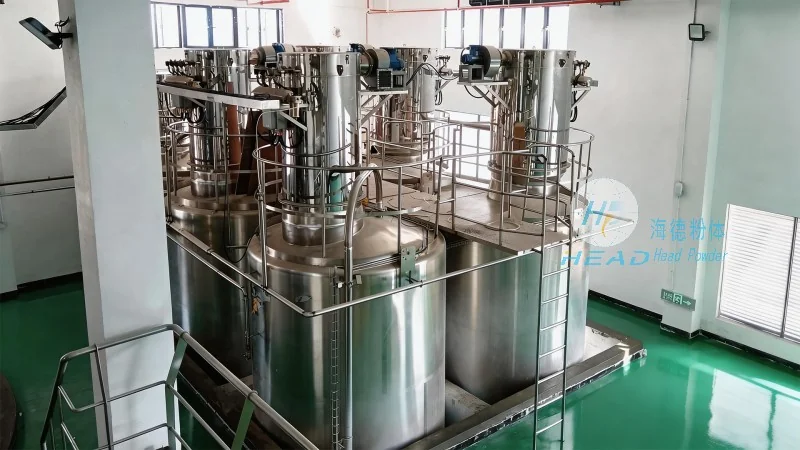
How Metal Silicon is Transported in Pneumatic Systems
When transporting metal silicon, the system operates by creating a low-pressure zone at the material inlet and a high-pressure zone at the outlet. The feeder releases the metal silicon into the conveying line, and the compressed air flows through the line, carrying the particles forward. The velocity of the air is critical; it must be sufficient to overcome the gravitational force of the particles and any friction within the pipeline. The design of the conveying line, including its diameter and length, is tailored to the specific characteristics of metal silicon, such as its density, particle size, and flowability.
Advantages of Using Pneumatic Conveying for Metal Silicon
Employing pneumatic conveying for metal silicon offers numerous benefits. One of the most significant is the ability to handle the material in a dust-free environment, which is essential for maintaining product quality and ensuring workplace safety. Additionally, the closed system prevents contamination from external sources, making it ideal for applications where purity is paramount. The system also allows for precise control over the flow rate and pressure, enabling accurate dosing and consistent material delivery. Furthermore, the lack of moving parts in the conveying line reduces the risk of mechanical failure and extends the operational lifespan of the equipment.
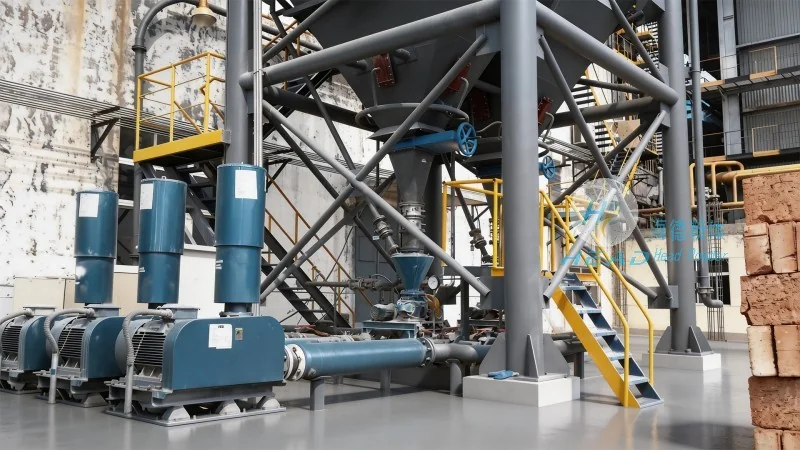
Applications of Metal Silicon Pneumatic Conveying
Metal silicon, a compound used in the production of silicon-based alloys and semiconductors, is often transported using pneumatic systems in various industrial settings. For example, in the chemical industry, metal silicon is used as a reagent in the manufacturing of silicones and other polymers. In the electronics industry, it is a critical component in the production of solar cells and semiconductor wafers. The ability to transport metal silicon efficiently and safely through pneumatic systems is vital for these applications, as it ensures a continuous supply of high-quality material without interruptions or contamination.
About Shandong HeadPowder Engineering Co., Ltd.
Shandong HeadPowder Engineering Co., Ltd., operating under the brand name headpowder, is a leading provider of advanced powder handling solutions. With a focus on innovation and customer satisfaction, the company specializes in designing and manufacturing pneumatic conveying systems tailored to the unique needs of its clients. Headpowder's expertise lies in understanding the specific challenges of handling materials like metal silicon, and its engineers work closely with customers to develop customized solutions that enhance operational efficiency and product quality. The company's commitment to quality and reliability has made it a trusted partner for businesses in the metal silicon and other powder-based industries.