

Introduction to Grass Powder Pneumatic Conveying and the Working Principle of Pneumatic Conveying Sy
HeadPowder, a leading provider in the field of material handling solutions, specializes in the design and implementation of pneumatic conveying systems tailored for grass powder processing. With a strong presence in Shandong, China, the company leverages its expertise to deliver efficient and reliable systems that meet the unique demands of the agricultural and biofuel industries. This article provides an overview of pneumatic conveying technology, focusing on its application in handling grass powder, and explains the fundamental principles behind its operation.
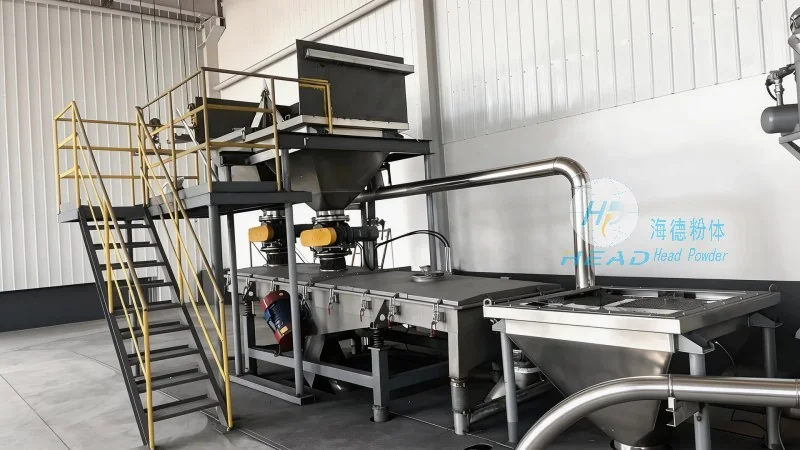
How Pneumatic Conveying Systems Work
Pneumatic conveying systems utilize air or gas to transport bulk materials like grass powder through a network of pipes. The process typically involves either suction (or vacuum) or pressure systems, depending on the specific requirements of the application. In a suction system, a vacuum is created at the inlet to draw the material into the pipeline, while a pressure system uses compressed air to push the material forward. The choice between these two methods depends on factors such as the distance, height, and volume of material to be conveyed, as well as the characteristics of the grass powder itself, including its moisture content, particle size, and flowability.
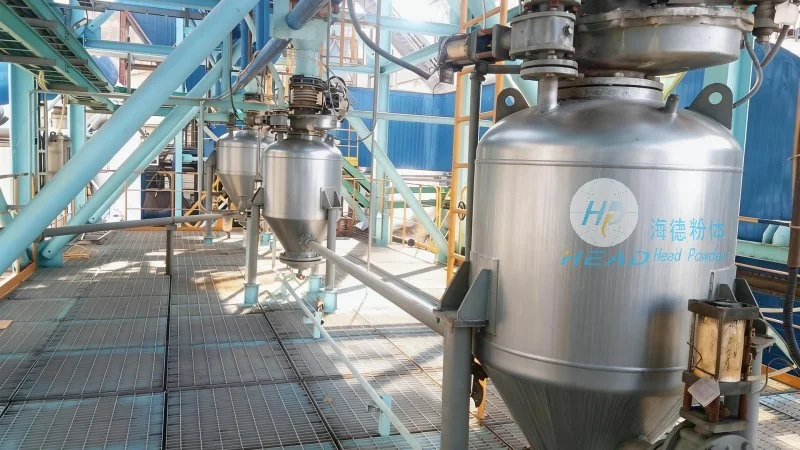
Key Components of a Pneumatic Conveying System
A pneumatic conveying system for grass powder consists of several critical components that work in tandem to ensure smooth and efficient material transport. The primary components include a feed hopper or feeder, which introduces the grass powder into the system; a conveying line, typically made of stainless steel or other corrosion-resistant materials to handle the abrasive nature of the powder; a separator or cyclone, which separates the air from the material at the end of the line; a filter, which cleans the exhaust air; and a fan or blower, which provides the necessary air pressure or vacuum. Additionally, control valves and sensors are often integrated to regulate the flow and monitor system performance.
Benefits of Using Pneumatic Conveying for Grass Powder
Implementing a pneumatic conveying system for grass powder processing offers numerous advantages over traditional methods like belt conveyors or bucket elevators. One of the most significant benefits is the high efficiency in material transport, as the system can handle large volumes of material with minimal labor. The process is also highly hygienic and clean, as the material is contained within the pipes, reducing the risk of contamination and dust exposure. Furthermore, pneumatic conveying systems are relatively low in maintenance, as they have fewer moving parts compared to mechanical conveyors, and they can be easily integrated into existing processing lines. The flexibility of the system allows for easy changes in the conveying route or capacity, making it adaptable to varying production needs.
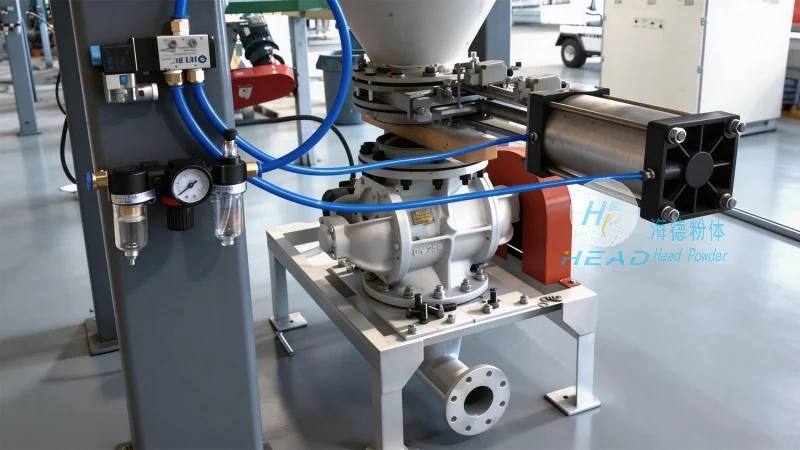
Application Examples in Grass Powder Processing
Grass powder, often used as a feed ingredient in animal nutrition or as a raw material for biofuel production, requires reliable and efficient handling. Pneumatic conveying systems are widely used in feed mills and biofuel plants to transport grass powder from storage silos to processing equipment, such as mixers or reactors. For instance, in a feed manufacturing facility, the system can transport grass powder from a storage silo to a mixer, ensuring a consistent and uniform blend with other ingredients. Similarly, in a biofuel plant, the system can convey grass powder to a pelletizer or a gasifier, where it is processed into biofuels like biogas or bioethanol. The ability of the system to handle the abrasive and potentially dusty nature of grass powder makes it an ideal choice for these applications, ensuring that the material is transported safely and efficiently without compromising product quality.