

Principle of PVC Pneumatic Conveying Systems
Understanding the fundamental principles of PVC pneumatic conveying systems is crucial for industries seeking efficient material handling solutions. These systems utilize air or gas to transport bulk materials through a pipeline network, offering a flexible and effective method for moving powders and granules. The core concept revolves around creating a pressure differential that propels the material from the source to the destination, while maintaining system efficiency and material integrity.
Key Components and Their Functions
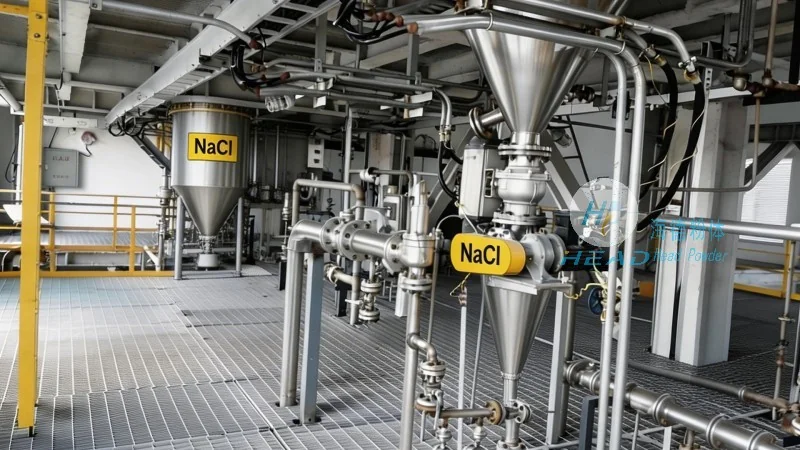
A typical PVC pneumatic conveying system comprises several critical components, each playing a vital role in the overall operation. The primary elements include the material feed hopper, which holds the bulk material and ensures a consistent feed rate; the air compressor or blower, responsible for generating the necessary air pressure to move the material; the conveying line, which is the pipeline through which the material and air travel; and the receiver or discharge hopper, where the material is deposited at the end of the system. Additionally, components such as check valves, filters, and pressure regulators are often integrated to enhance system performance and prevent backflow or contamination.
Working Principle of the System
The operation of a PVC pneumatic conveying system is based on the principle of fluidization and pneumatic transport. When air is introduced into the conveying line at a sufficient velocity, it creates a flow that lifts and transports the material particles. This process can be categorized into two main types: dilute-phase and dense-phase conveying. Dilute-phase systems operate at higher air velocities, typically moving material in a dispersed state, while dense-phase systems use lower air velocities and higher material concentrations, resulting in a more controlled and gentle transport. The choice between these two depends on the material characteristics, such as particle size, density, and moisture content, as well as the required distance and system pressure.
Advantages of PVC Pneumatic Conveying Systems
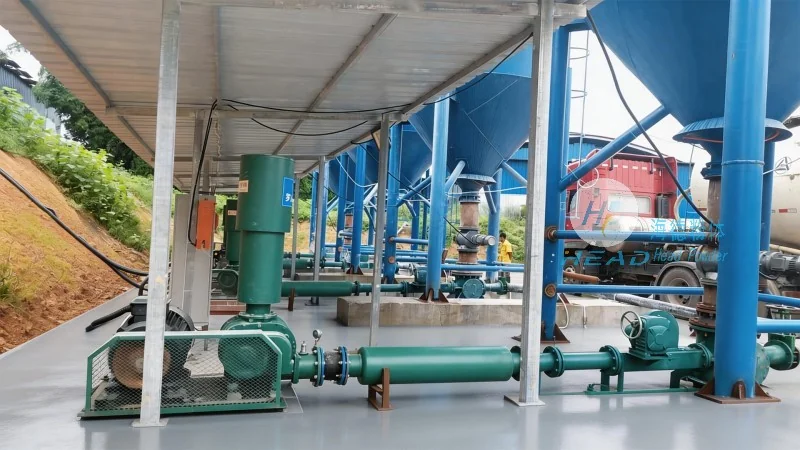
Implementing a PVC pneumatic conveying system offers numerous advantages for industrial applications. One of the most significant benefits is the ability to transport materials over long distances without the need for multiple transfer points or mechanical equipment. This reduces downtime and maintenance costs associated with traditional conveyor systems. Additionally, these systems are highly flexible, allowing for easy reconfiguration or expansion as production needs change. The enclosed pipeline design also minimizes dust emissions and environmental contamination, making them suitable for applications where material handling must comply with strict safety and hygiene standards. Furthermore, PVC materials are resistant to corrosion and chemicals, ensuring long-term durability and reliability in various industrial environments.
Application Examples and Industry Use Cases
PVC pneumatic conveying systems are widely used across various industries due to their versatility and efficiency. In the food and pharmaceutical sectors, these systems are employed to transport powders like flour, sugar, and active pharmaceutical ingredients (APIs) with minimal risk of contamination. The enclosed design and gentle handling ensure product quality and compliance with regulatory standards. In the chemical industry, they are used to move corrosive or hazardous powders, such as pigments and polymers, while protecting operators from exposure. The manufacturing sector also benefits from these systems, particularly in the production of plastics, where granules and powders are transported between processing units. Additionally, in the agricultural industry, PVC pneumatic conveyors are used to handle bulk materials like grain and fertilizer, facilitating efficient storage and distribution.
System Design and Customization
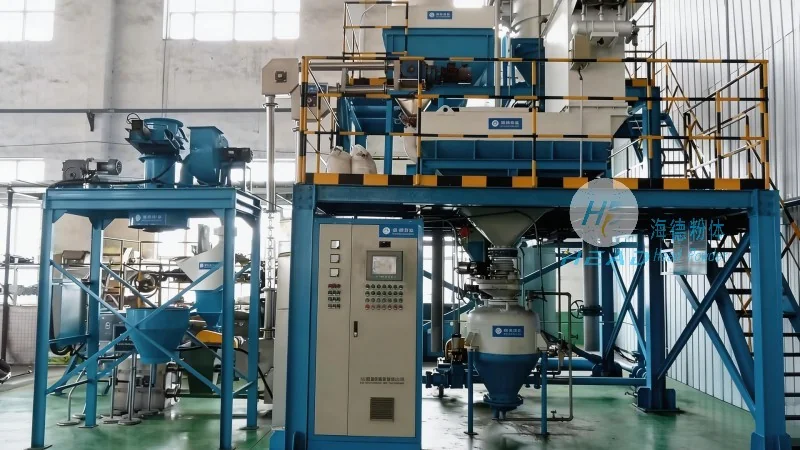
HeadPowder, a leading engineering company based in Shandong, China, specializes in designing and manufacturing customized PVC pneumatic conveying systems tailored to specific client needs. The company’s team of experienced engineers works closely with clients to assess their material handling requirements, including the type of material, processing capacity, and operational environment. Through detailed analysis and consultation, HeadPowder develops comprehensive system designs that optimize performance, energy efficiency, and cost-effectiveness. The company utilizes advanced simulation tools and engineering principles to ensure that each system meets the highest standards of safety, reliability, and durability. Customization options include varying pipeline diameters, material of construction (e.g., stainless steel or special alloys for corrosive applications), and control systems to integrate seamlessly with existing production lines.
Maintenance and Operational Considerations
Proper maintenance is essential to ensure the long-term performance and longevity of a PVC pneumatic conveying system. Regular inspections of components such as air compressors, filters, and conveying lines are necessary to identify and address potential issues before they escalate. Cleaning the system, particularly the filters and hopper, is crucial to prevent material buildup and maintain air flow efficiency. Additionally, monitoring system pressure and air velocity helps in detecting any deviations from optimal operating conditions. HeadPowder provides comprehensive maintenance services and technical support to clients, ensuring that their systems operate at peak efficiency. The company’s expertise in system design and troubleshooting enables them to offer tailored maintenance plans that minimize downtime and maximize system uptime.