

Principle of Aluminum Dross Pneumatic Conveying Equipment
Aluminum dross, a byproduct of aluminum smelting and processing, poses unique handling challenges due to its abrasive nature and variable particle size. Traditional methods like belt conveyors or manual handling often lead to equipment wear, material loss, and operational inefficiencies. Pneumatic conveying systems offer a solution by utilizing air pressure to transport aluminum dross efficiently and safely. This article explores the fundamental principles behind aluminum dross pneumatic conveying equipment, highlighting key components, operational mechanisms, and the benefits of adopting such technology.
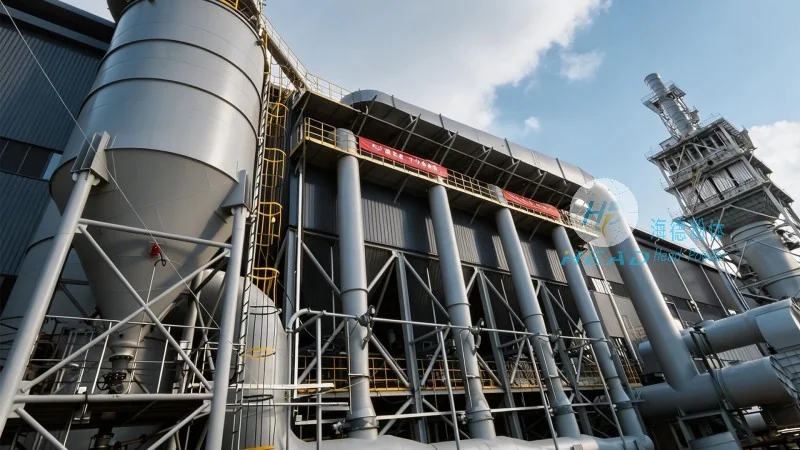
Key Components of Pneumatic Conveying Systems
The core of any pneumatic conveying system is a series of interconnected components designed to handle the material from source to destination. For aluminum dross applications, the system typically includes a hopper or storage bin to contain the dross, a rotary valve or feeder to control the material flow, a conveying line (usually a pipeline), a pressure or vacuum source (such as a blower or vacuum pump), and a receiver or discharge unit. Each component plays a critical role in ensuring smooth and reliable operation.
Operational Mechanisms: Pressure and Vacuum Conveying
Pneumatic conveying systems operate on two primary principles: pressure and vacuum. Pressure conveying uses a positive pressure source to push the material through the pipeline, while vacuum conveying employs a negative pressure source to pull the material. For aluminum dross, which is often dense and abrasive, pressure conveying is commonly preferred as it provides higher transport rates and better control over material flow. The system works by feeding the dross into the conveying line at a controlled rate, where it is mixed with air and propelled to the destination. The air velocity must be sufficient to prevent material settling or blockage, typically ranging from 20 to 30 meters per second for aluminum dross particles.
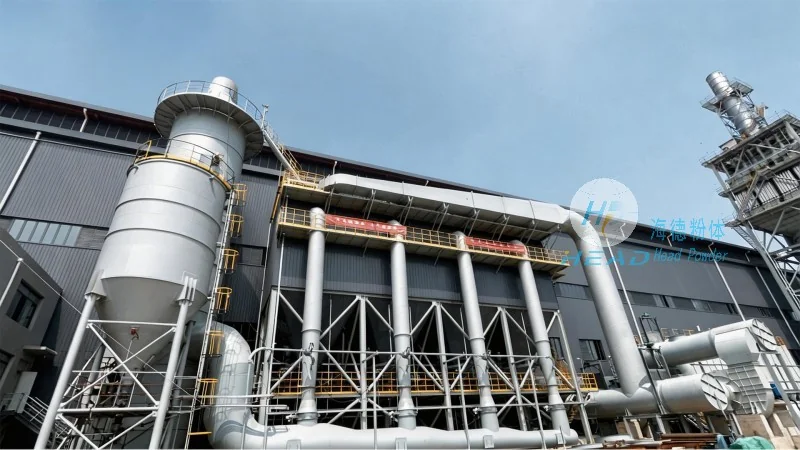
Advantages of Pneumatic Conveying for Aluminum Dross
Implementing pneumatic conveying equipment for aluminum dross offers several advantages over traditional methods. Firstly, it minimizes material loss and contamination, as the system is enclosed and sealed, preventing dust and fine particles from escaping. Secondly, it reduces equipment wear and maintenance costs, as the material is transported without direct contact with mechanical parts like belts or rollers. Thirdly, it enhances operational efficiency by allowing for continuous and automated material handling, improving throughput and reducing labor requirements. Additionally, pneumatic systems can handle varying particle sizes and moisture content, making them versatile for different aluminum dross processing scenarios.
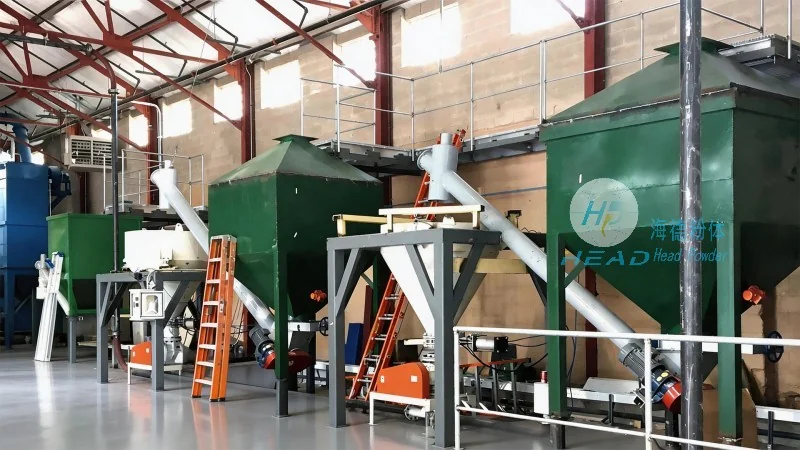
Design Considerations for Aluminum Dross Pneumatic Systems
Designing an effective pneumatic conveying system for aluminum dross requires careful consideration of several factors. Material properties, such as particle size distribution, density, and abrasiveness, must be analyzed to determine the appropriate air velocity and pipeline diameter. The system must also account for the potential for material buildup or blockage, which can be mitigated by incorporating features like pulse jets or air knives to maintain flow. Additionally, the choice of materials for the conveying line and components is critical, as aluminum dross can be highly corrosive and abrasive. Stainless steel or high-grade alloys are often used to ensure durability and longevity.
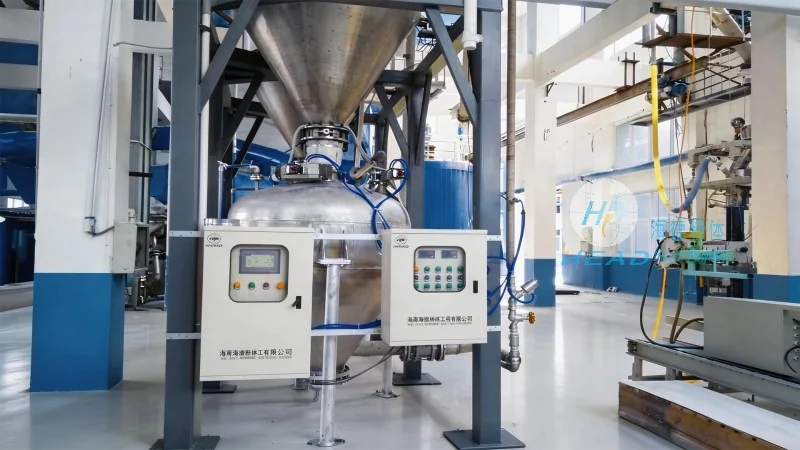
Applications in Aluminum Smelting and Processing
Aluminum dross pneumatic conveying equipment is widely used in various stages of aluminum production and processing. In smelting facilities, the system can transport dross from collection points to storage silos or processing units, where it is further treated to recover valuable aluminum. In recycling plants, pneumatic conveyors are used to move dross between different processing stages, such as melting, refining, and casting. The equipment is also employed in secondary aluminum production, where dross is processed to produce secondary aluminum ingots or alloys. By streamlining the material handling process, these systems contribute to increased productivity and cost savings in aluminum manufacturing.
Conclusion
Aluminum dross pneumatic conveying equipment represents a sophisticated solution to the challenges of handling abrasive and variable aluminum dross. By leveraging the principles of pneumatic transport, these systems offer efficient, safe, and reliable material handling capabilities. With proper design and maintenance, pneumatic conveying systems can significantly improve operational efficiency and reduce costs in aluminum smelting and processing facilities. As the aluminum industry continues to evolve, the adoption of advanced pneumatic conveying technology will remain crucial for optimizing material flow and enhancing overall productivity.