

What is Wheat Pneumatic Conveying? What Are the Design Principles?
Wheat pneumatic conveying is a critical process in the agricultural and food processing industries, designed to transport wheat and related grains efficiently from one location to another. This method leverages the principles of air movement to move bulk materials, offering advantages such as reduced labor costs, improved hygiene, and enhanced safety compared to traditional mechanical conveying systems. The technology has become increasingly important as industries seek more efficient and cost-effective solutions for handling bulk materials.
The Core Design Principles of Wheat Pneumatic Conveying Systems
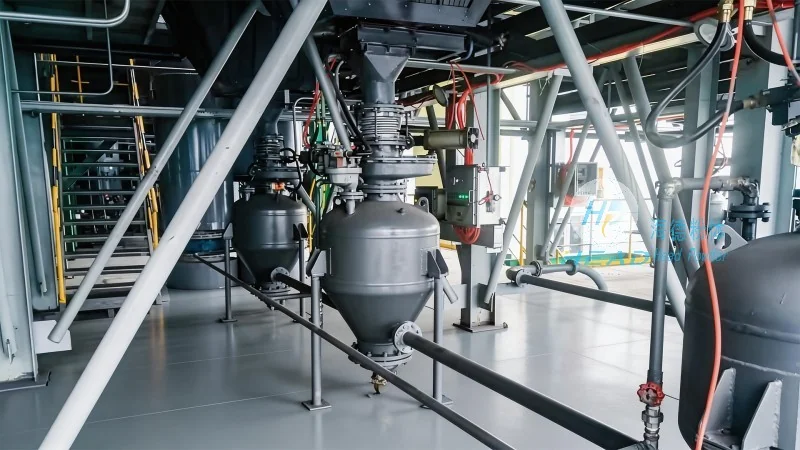
The design of a wheat pneumatic conveying system is based on several fundamental principles that ensure optimal performance and reliability. The primary principle is the use of air as the conveying medium, which can be either positive pressure (where air is forced into the system) or negative pressure (where air is drawn out). The choice between these two systems depends on the specific application, material characteristics, and operational requirements. Positive pressure systems are often preferred for applications requiring high conveying rates and long distances, as they can maintain consistent air pressure and prevent material degradation. Negative pressure systems, on the other hand, are suitable for applications where dust control and material containment are critical, such as in food processing environments.
Key Components and Their Roles in Wheat Pneumatic Conveying
A typical wheat pneumatic conveying system consists of several key components, each playing a vital role in the overall operation. The main components include the hopper or feeder, which holds the wheat and controls the flow rate; the air mover (either a blower or a vacuum pump), which provides the necessary air pressure or suction; the conveying line, which transports the wheat through the system; and the receiver or discharge point, where the material is collected. The hopper is designed to ensure a consistent feed rate, preventing blockages and maintaining system efficiency. The air mover is selected based on the required conveying capacity and pressure, with options ranging from rotary lobe blowers to centrifugal fans. The conveying line is typically made of durable materials like stainless steel or plastic, chosen for their resistance to corrosion and wear from the wheat particles. The receiver is equipped with a filter or cyclone to separate the wheat from the air, ensuring that the material is delivered in a clean and dry state.
Advantages of Wheat Pneumatic Conveying Systems
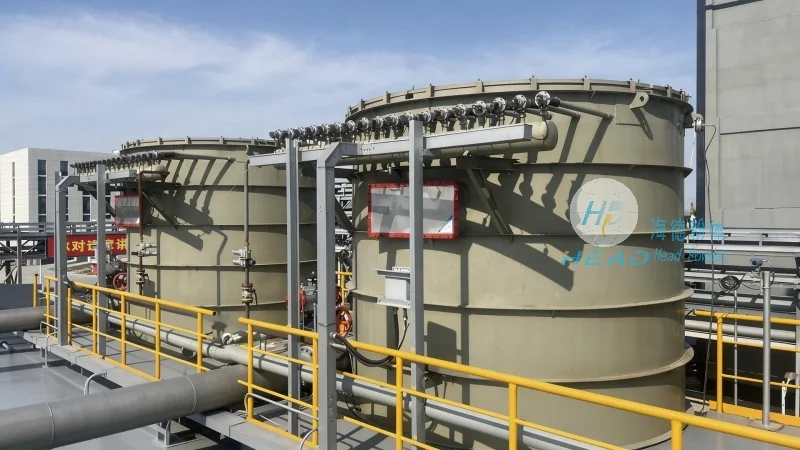
Wheat pneumatic conveying systems offer numerous advantages over traditional mechanical conveying methods. One of the most significant benefits is the ability to handle bulk materials over long distances without the need for multiple transfer points. This reduces the risk of material spillage and contamination, which is particularly important in food processing applications where hygiene is paramount. Additionally, pneumatic conveying systems are more energy-efficient than mechanical systems, as they require less power to move the same amount of material. The technology also allows for better control over the flow rate and pressure, enabling operators to adjust the system to meet changing production demands. Furthermore, the enclosed nature of pneumatic conveying systems helps to minimize dust emissions, improving workplace safety and compliance with environmental regulations.
Applications of Wheat Pneumatic Conveying in the Industry
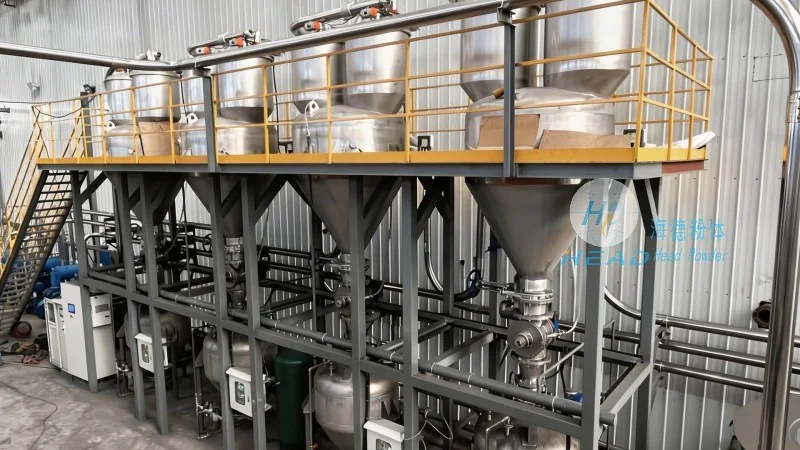
Wheat pneumatic conveying systems are widely used in various industries, including agriculture, food processing, and grain storage. In agriculture, these systems are used to transport wheat from the field to storage facilities or processing plants. In food processing, they are employed to move wheat into milling operations, where it is ground into flour or other products. The systems are also used in grain storage facilities to transfer wheat between silos or storage bins, ensuring efficient inventory management. The versatility of pneumatic conveying systems makes them suitable for a wide range of applications, from small-scale operations to large industrial facilities.
Customization and Scalability of Wheat Pneumatic Conveying Solutions
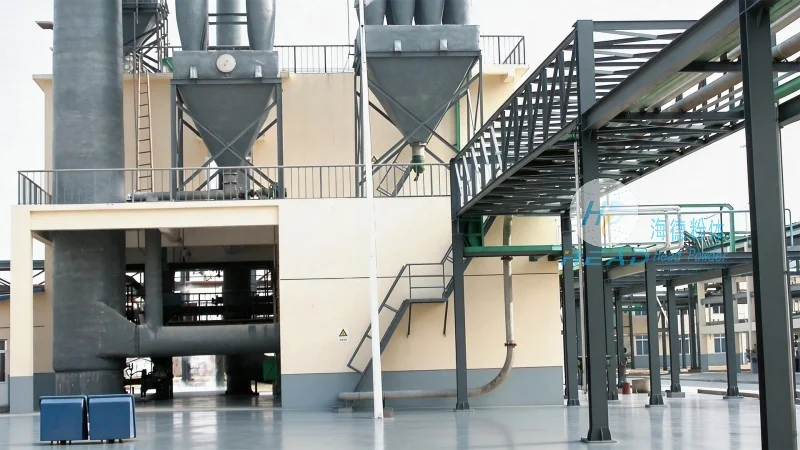
HeadPowder, a leading manufacturer of pneumatic conveying systems, offers customized solutions tailored to the specific needs of each client. The company understands that different applications require different system configurations, and thus provides a range of options to meet these requirements. For example, the company can design systems with varying conveying capacities, pressure levels, and material handling capabilities. This customization ensures that the system operates efficiently and effectively, maximizing the client's return on investment. Additionally, HeadPowder's systems are scalable, allowing clients to expand their operations as their needs grow. This flexibility is particularly important for businesses that are experiencing growth or anticipate future expansion.
Ensuring Reliability and Longevity with Quality Components
HeadPowder Engineering Co., Ltd., based in Shandong, China, is committed to providing high-quality pneumatic conveying systems that are reliable and durable. The company uses only the best materials and components in the construction of its systems, ensuring that they can withstand the rigors of continuous operation. The company's engineers and technicians are experienced in the design and installation of pneumatic conveying systems, and they work closely with clients to ensure that the system meets all their requirements. This attention to detail and commitment to quality has made HeadPowder a trusted name in the industry, with clients relying on the company's products for their bulk material handling needs.