

What is a Nickel Powder Pneumatic Conveying Equipment? And What Are Its Design Principles?
For industrial applications involving nickel powder, the selection of an appropriate material handling system is crucial for efficiency and safety. A nickel powder pneumatic conveying equipment is a specialized device designed to transport nickel powder through a pneumatic system, leveraging the principles of fluidization and air movement to move the material from one location to another. This equipment is particularly important in industries such as metal processing, chemical manufacturing, and battery production, where handling fine powders requires precise control and minimal contamination.
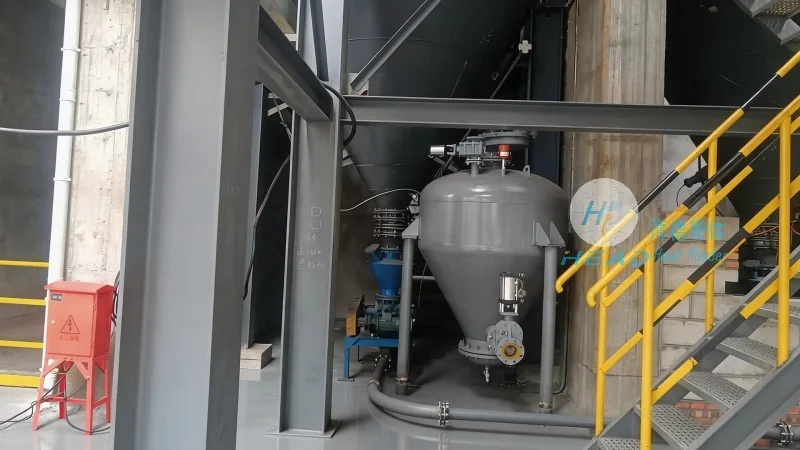
Understanding the Core Components of Nickel Powder Pneumatic Conveying Equipment
The nickel powder pneumatic conveying equipment typically consists of several key components that work in tandem to ensure effective material transport. The primary components include a hopper or feed hopper, which holds the nickel powder and allows for controlled discharge. A blower or compressor provides the necessary air pressure to create the conveying stream. The conveying line, often made of stainless steel or other corrosion-resistant materials, transports the powder-air mixture. Additionally, a filter or separator is used to separate the powder from the air at the discharge end, preventing dust emissions and ensuring the powder remains in a usable state. The system may also include a control panel to regulate air pressure, flow rate, and other operational parameters, ensuring consistent performance.
Design Principles Behind Nickel Powder Pneumatic Conveying Equipment
The design of a nickel powder pneumatic conveying equipment is guided by several fundamental principles to optimize performance and safety. One of the key principles is the use of air as the conveying medium, which allows for the transport of fine powders without the need for mechanical contact. This reduces the risk of contamination and wear on the equipment. The design must account for the physical properties of nickel powder, such as its particle size, density, and flowability. For example, smaller particle sizes may require higher air velocities to maintain suspension, while larger particles may need a different hopper design to prevent clogging. The system must also consider the potential for static electricity, as nickel powders can generate static charges during handling. Therefore, grounding and anti-static measures are often incorporated into the design to prevent sparks and ensure safety. The overall design aims to balance efficiency, reliability, and safety, ensuring that the equipment can handle nickel powder consistently and with minimal operational issues.
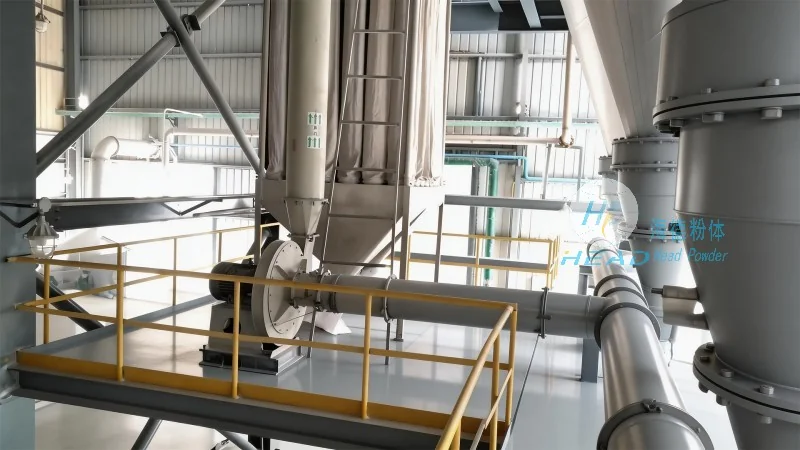
The Role of Material Selection in Equipment Construction
Material selection is a critical aspect of the design and construction of nickel powder pneumatic conveying equipment. Since nickel powder is often used in high-purity applications, the equipment must be constructed from materials that do not introduce contaminants or react with the powder. Stainless steel is commonly used for the conveying line and other components due to its corrosion resistance and ability to maintain the purity of the powder. The hopper and feed mechanisms may also be made from stainless steel or other inert materials to prevent chemical reactions. Additionally, the equipment must be designed to withstand the abrasive nature of nickel powder, which can cause wear over time. The use of wear-resistant coatings or materials can extend the lifespan of the equipment and reduce maintenance costs. The choice of materials also impacts the overall cost and maintenance requirements, making it essential to select a balance between durability and affordability.
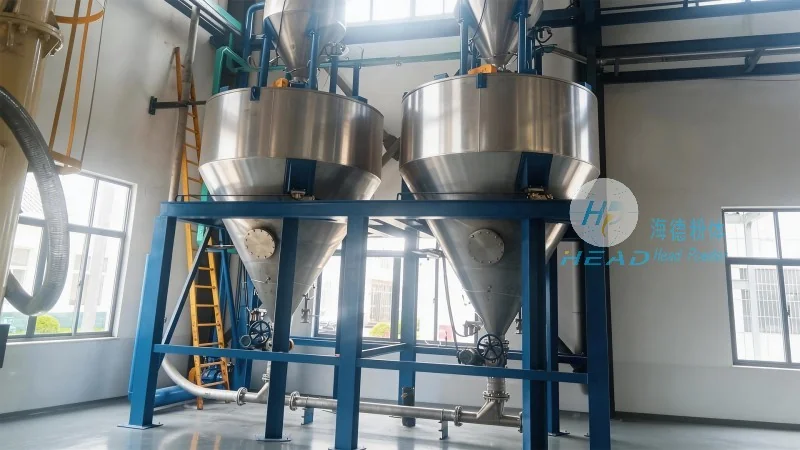
Operational Considerations for Efficient Nickel Powder Transport
Operational considerations play a vital role in ensuring the efficient and safe operation of nickel powder pneumatic conveying equipment. Proper maintenance is essential to prevent system failures and ensure consistent performance. Regular cleaning of the filter and conveying line is necessary to prevent clogging and maintain air flow. The blower or compressor must be checked for proper operation and efficiency to ensure adequate air pressure. The control panel should be calibrated regularly to maintain the correct flow rates and pressure levels. Additionally, operators must be trained on the proper use of the equipment to avoid accidents and ensure optimal performance. The system should be designed with safety features such as pressure relief valves and emergency shut-off mechanisms to prevent over-pressurization and other hazards. By following these operational guidelines, the equipment can achieve high levels of efficiency and reliability in transporting nickel powder.
About Shandong HeadPowder Engineering Co., Ltd.
Shandong HeadPowder Engineering Co., Ltd., commonly known as HeadPowder, is a leading manufacturer of specialized material handling equipment, including nickel powder pneumatic conveying systems. With a focus on innovation and quality, HeadPowder designs and manufactures equipment tailored to the specific needs of industrial applications. The company is located in Shandong, China, and has a strong reputation for producing reliable and efficient equipment that meets the highest standards of performance and safety. HeadPowder's expertise in material handling technology ensures that their nickel powder pneumatic conveying equipment is designed to handle the unique challenges of transporting fine powders, providing customers with a solution that enhances productivity and reduces operational costs. The company's commitment to customer satisfaction and technical excellence has made it a trusted partner in the industry for over [years, if available, but since not specified, can say established in the region].