

What is a Mineral Powder Pneumatic Conveying System Equipment? What Are Its Design Principles?
Understanding the mineral powder pneumatic conveying system equipment and its design principles is crucial for industries that handle bulk mineral powders efficiently. This equipment is designed to transport dry, fine materials like mineral powders through a pipeline using air or gas as the conveying medium. The system typically consists of a hopper, a blower or compressor, a pipeline network, and a receiver or discharge unit. The primary goal is to move these materials from one location to another without the need for mechanical components like belts or buckets, which can be prone to wear and maintenance issues. Developed by Shandong HeadPowder Engineering Co., Ltd., this system offers a reliable solution for industries requiring efficient and low-maintenance material transport.

Introduction to the Mineral Powder Pneumatic Conveying System
The mineral powder pneumatic conveying system equipment is a specialized solution for the transport of dry, fine mineral powders. These materials, such as cement, limestone, coal ash, or other industrial powders, are often sensitive to moisture and require a method of transport that minimizes exposure to the environment. The system operates by creating a flow of air or gas within a pipeline, which then carries the powder particles along with it. This process is known as pneumatic conveying, and it offers several advantages over traditional mechanical conveying methods, including reduced material degradation, lower maintenance costs, and the ability to handle materials in a closed system, preventing dust emissions.
Key Components of the System
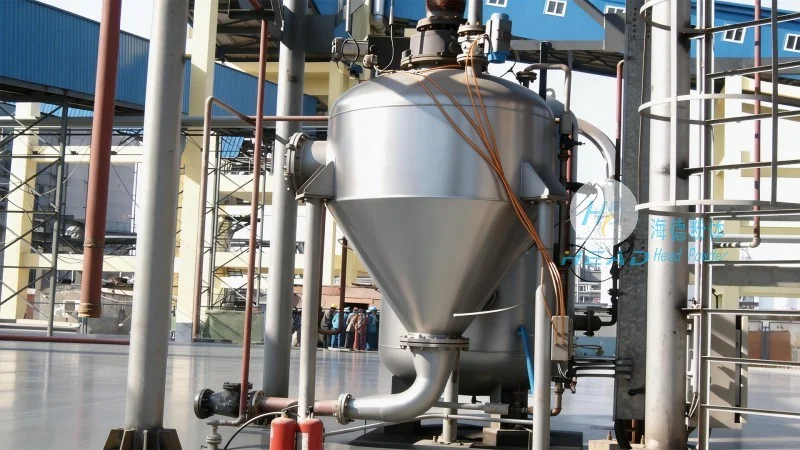
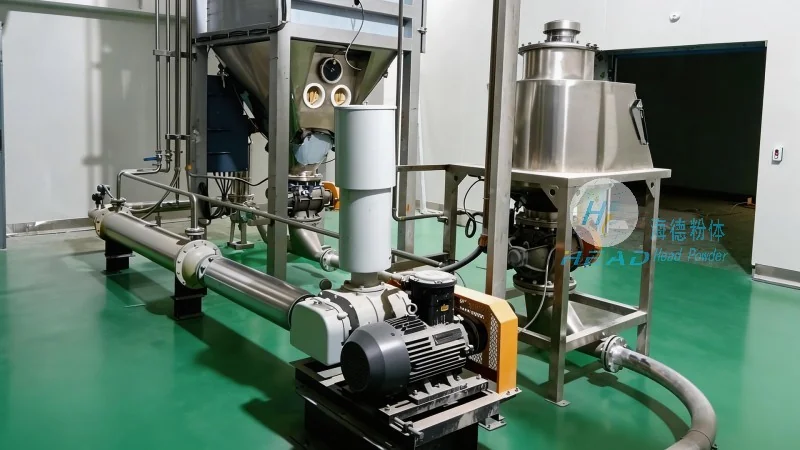
At the core of the mineral powder pneumatic conveying system are several key components that work together to ensure efficient operation. The first component is the hopper or feeder, which stores the mineral powder and feeds it into the system at a controlled rate. This component is critical for maintaining a consistent flow of material and preventing blockages. The second key component is the blower or compressor, which generates the necessary air or gas pressure to move the powder through the pipeline. The choice between a positive displacement blower and a centrifugal fan depends on the specific requirements of the application, such as the material's density, particle size, and the required conveying distance. The third component is the pipeline network, which consists of straight sections, bends, and elbows that guide the powder and air mixture to the discharge point. The design of the pipeline is crucial for minimizing pressure drop and ensuring smooth flow. Finally, the receiver or discharge unit is where the mineral powder is collected after being conveyed through the system. This unit may include a filter or dust collector to capture any fine particles that escape during the process, ensuring compliance with environmental regulations.
Design Principles for Efficient Operation
The design principles of the mineral powder pneumatic conveying system are centered around optimizing the flow of air and powder to achieve maximum efficiency and minimal energy consumption. One of the fundamental principles is the selection of the appropriate air velocity. The air velocity must be high enough to keep the powder particles suspended in the air stream but not so high that it causes excessive pressure drop or wear on the system components. The relationship between air velocity and particle size is critical, as larger particles require higher air velocities to remain suspended. Another important design principle is the consideration of the system's pressure drop. The pressure drop is the difference in pressure between the inlet and outlet of the system and is a measure of the energy required to move the material. Designers aim to minimize the pressure drop by using smooth pipelines, appropriate bends, and avoiding unnecessary components that could cause turbulence or friction. Additionally, the system's capacity must be matched to the production requirements of the facility. Overloading the system can lead to blockages, while underloading results in inefficient energy use. The design also considers the material's properties, such as its density, moisture content, and flowability, as these factors influence the conveying velocity and the required air volume. For example, a more cohesive powder may require a higher air velocity or a different conveying method, such as a dilute phase system, to ensure reliable transport.
Applications and Benefits in Industrial Settings
The mineral powder pneumatic conveying system equipment is widely used in various industrial applications where the transport of mineral powders is essential. In the cement industry, for example, these systems are used to transport raw materials like limestone and clinker from storage silos to the production line. In the chemical industry, they are used to move powders like coal ash or limestone for processing. The benefits of using this system in these applications are significant. First, it reduces the risk of dust exposure, which is a major health hazard in many industrial settings. The closed system design ensures that the powder is contained within the pipeline, preventing it from entering the workplace environment. Second, it improves material handling efficiency by eliminating the need for manual handling or mechanical conveyors, which can be slow and labor-intensive. Third, it reduces maintenance costs by minimizing the wear and tear on components, as there are no moving parts in direct contact with the powder. The system also offers flexibility in terms of layout, as the pipeline can be arranged in various configurations to suit the space constraints of the facility. This flexibility allows for the integration of the system into existing production lines without major modifications.
Conclusion
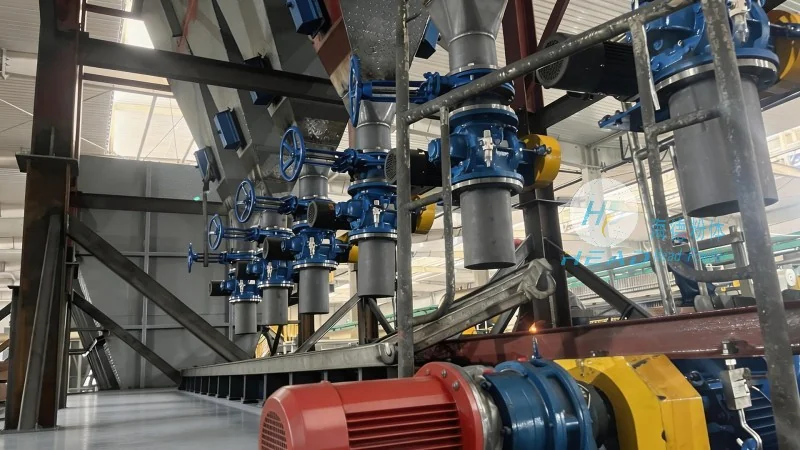
In conclusion, the mineral powder pneumatic conveying system equipment is a sophisticated and efficient solution for the transport of dry, fine mineral powders. Its design principles are centered on optimizing the flow of air and powder to achieve maximum efficiency, minimal energy consumption, and reliable operation. The key components of the system, including the hopper, blower, pipeline, and receiver, work together to ensure that the material is transported safely and effectively. The benefits of using this system in industrial settings, such as reduced dust exposure, improved efficiency, and lower maintenance costs, make it a preferred choice for many industries. As technology advances, the design of these systems continues to evolve, with new materials and components being developed to further enhance performance and reliability. For companies operating in industries that handle mineral powders, understanding the principles and applications of the pneumatic conveying system is essential for optimizing their material handling processes and ensuring long-term operational success.