

What is a Dry Powder Pneumatic Conveying System? And What Are Its Design Principles?
Dry powder pneumatic conveying systems are essential industrial equipment used for the efficient and safe transportation of dry powders and granular materials over short to medium distances. These systems utilize compressed air or other gases to move materials from a source to a destination, eliminating the need for mechanical components like belts or buckets. The technology is widely adopted in various industries, including pharmaceuticals, food processing, chemical manufacturing, and mining, due to its flexibility and ability to handle a wide range of materials with minimal product degradation.
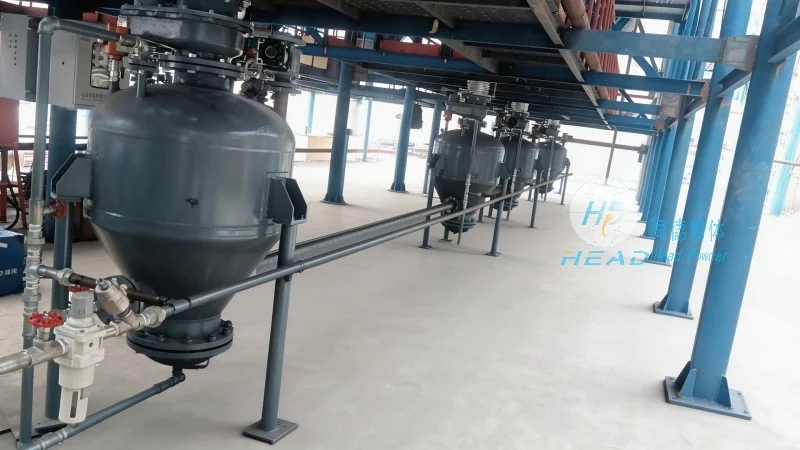
Key Components of a Dry Powder Pneumatic Conveying System
A typical dry powder pneumatic conveying system consists of several core components that work in tandem to ensure smooth material transport. The primary components include a material feed hopper, a conveying line (often with bends and elbows), a receiver or discharge hopper, and a blower or compressor that generates the necessary air pressure. Additionally, the system may incorporate accessories such as filters, cyclones, and pressure regulators to maintain system efficiency and protect equipment from dust accumulation.
Design Principles and Operational Mechanisms
The design of a dry powder pneumatic conveying system is based on the fundamental principle of fluidization and particle suspension. When compressed air is introduced into the conveying line, it creates a low-pressure zone that draws the powder particles into the air stream. The air velocity must be sufficient to overcome the gravitational force acting on the particles and maintain them in a suspended state. This process ensures that the material flows smoothly through the system without clogging or blockages. The system's design also considers factors such as material properties (e.g., particle size, density, and moisture content), conveying distance, and desired flow rate to optimize performance.

Advantages of Dry Powder Pneumatic Conveying Systems
Compared to traditional mechanical conveying methods, dry powder pneumatic conveying systems offer several advantages. These include the ability to handle abrasive or corrosive materials without wear on components, reduced risk of cross-contamination in industries like pharmaceuticals and food processing, and the flexibility to transport materials vertically, horizontally, or at various angles. The systems are also relatively easy to install and maintain, with minimal moving parts that can be replaced or serviced as needed. Furthermore, they can be integrated with automation systems to enhance operational efficiency and reduce labor costs.
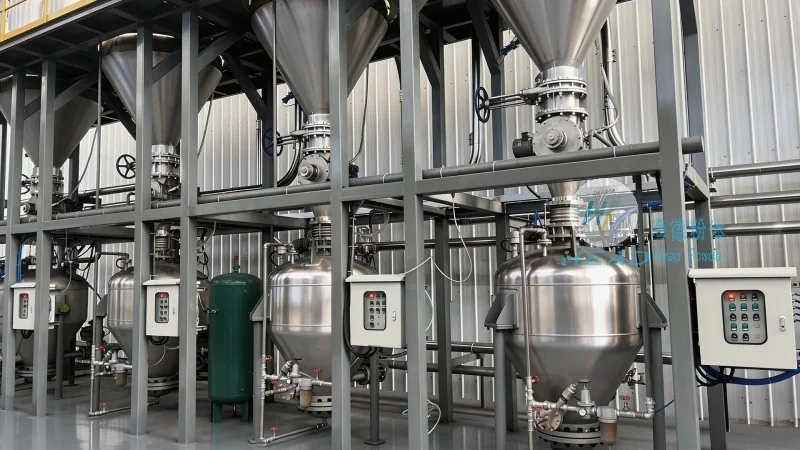
Applications and Industry Use Cases
Dry powder pneumatic conveying systems are employed in diverse applications across multiple industries. In the pharmaceutical sector, they are used to transport active pharmaceutical ingredients (APIs) and excipients with high precision and minimal contamination. In food processing, these systems handle powders like sugar, flour, and spices, ensuring hygienic and efficient transfer. The chemical industry utilizes them for transporting raw materials and intermediates, while mining operations employ pneumatic conveying for transporting ore and minerals. The versatility of these systems makes them suitable for a wide range of material handling needs.
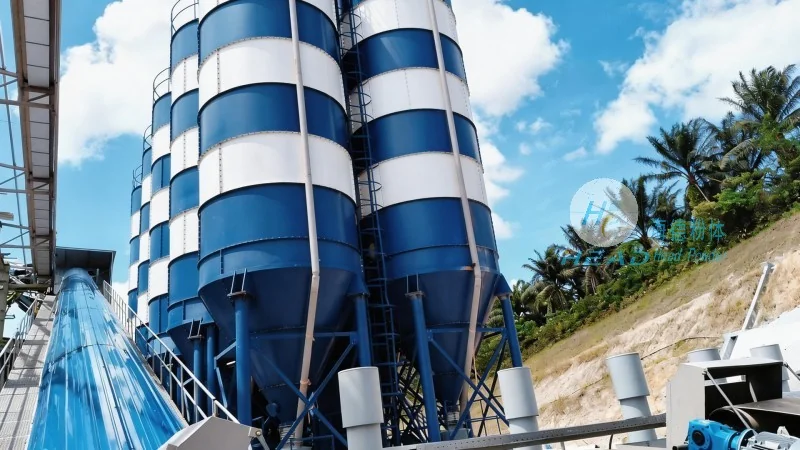
Customization and System Integration
Shandong HeadPowder Engineering Co., Ltd., a leading manufacturer based in China, specializes in designing and manufacturing customized dry powder pneumatic conveying systems tailored to specific customer requirements. The company's expertise lies in understanding the unique properties of different materials and designing systems that optimize performance, reliability, and cost-effectiveness. Their solutions often include advanced features such as variable speed blowers, automated control systems, and integrated dust collection units to enhance overall system efficiency. By working closely with clients, HeadPowder engineers develop systems that meet stringent industry standards and ensure long-term operational success.
Conclusion
Dry powder pneumatic conveying systems represent a sophisticated and efficient solution for material handling in various industrial applications. Through the integration of advanced design principles and robust components, these systems provide reliable and cost-effective transportation of dry powders. As a trusted provider, Shandong HeadPowder Engineering Co., Ltd. continues to innovate and deliver high-quality pneumatic conveying solutions that meet the evolving needs of modern industries, ensuring safe, efficient, and sustainable material transport.