

What is Manganese Sulfate Powder Transport? And What Are Its Design Principles?
Understanding the transport of manganese sulfate powder is crucial for industries that rely on this essential chemical. Manganese sulfate, often used as a nutrient in agriculture and as a precursor in various industrial processes, requires efficient and reliable powder handling systems to ensure optimal performance and safety. The design of such transport systems involves careful consideration of material properties, operational requirements, and safety standards.
Introduction to Manganese Sulfate Powder Transport
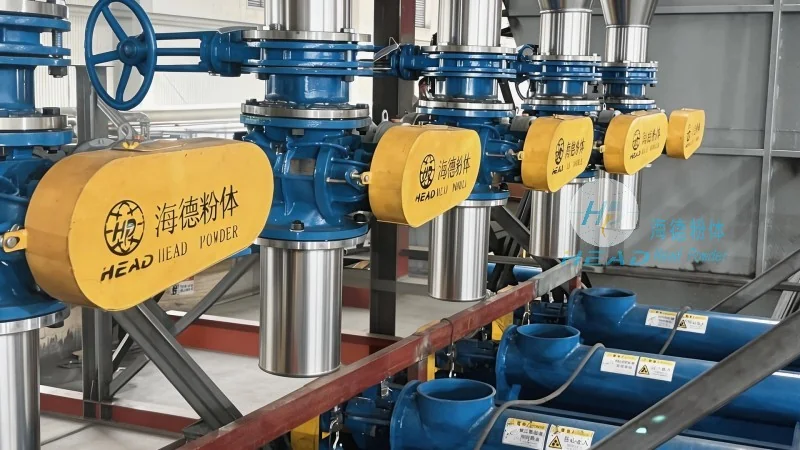
Manganese sulfate (MnSO₄) is a white crystalline powder widely used in agricultural fertilizers, water treatment, and chemical manufacturing. Its transport from production sites to end-users or processing facilities demands specialized equipment and engineering solutions to maintain product integrity and prevent contamination or degradation. The process of powder transport involves several key components, including storage, conveying, and handling, each requiring tailored design to address the unique challenges posed by manganese sulfate.
The Role of HeadPowder in Powder Transport Solutions
Shandong HeadPowder Engineering Co., Ltd., a leading provider of powder handling solutions, specializes in designing and implementing systems for manganese sulfate and other fine chemicals. With a focus on innovation and adherence to industry standards, HeadPowder leverages decades of experience to deliver customized transport solutions that meet the specific needs of clients. The company’s expertise spans from material handling equipment to process optimization, ensuring that each system is both efficient and safe.

Key Design Principles for Manganese Sulfate Powder Transport
The design of manganese sulfate powder transport systems is guided by several fundamental principles aimed at maximizing efficiency, minimizing risk, and ensuring product quality. First, the system must address the hygroscopic nature of manganese sulfate, which can lead to clumping or moisture absorption if not properly controlled. This often involves the use of dryers or dehumidifiers in the storage and conveying stages to maintain the powder’s dryness and flowability. Second, the design must consider the material’s particle size and density, as these properties affect the selection of conveying equipment such as screw conveyors, pneumatic systems, or bucket elevators. For manganese sulfate, which typically has a fine particle size, pneumatic conveying may be preferred for long-distance transport due to its ability to handle fine powders without clogging.
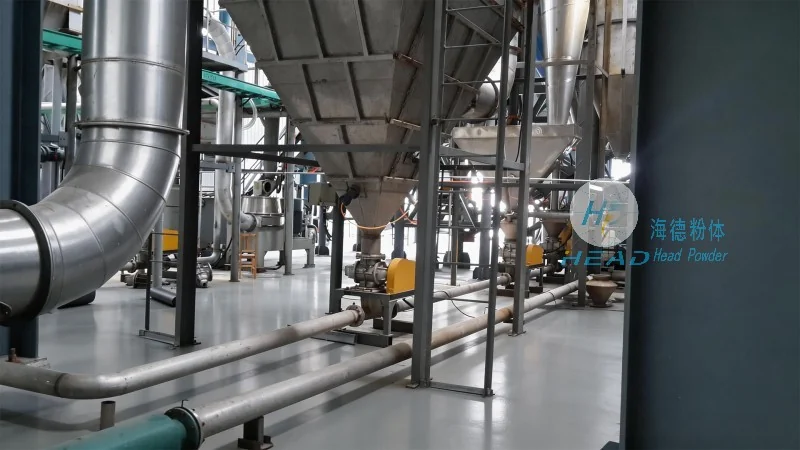
Components of a Typical Manganese Sulfate Powder Transport System
A comprehensive powder transport system for manganese sulfate typically includes several interconnected components. The process begins with storage, where the powder is held in a silo or hopper designed to minimize exposure to air and moisture. From the storage vessel, the powder is transferred to a conveying system, which may include a screw conveyor for short distances or a pneumatic line for longer distances. The conveying system is often equipped with a filter or separator to prevent dust emission and ensure compliance with environmental regulations. At the receiving end, the powder is discharged into a receiving hopper or directly into processing equipment, with the system designed to maintain a consistent flow rate and prevent material buildup.
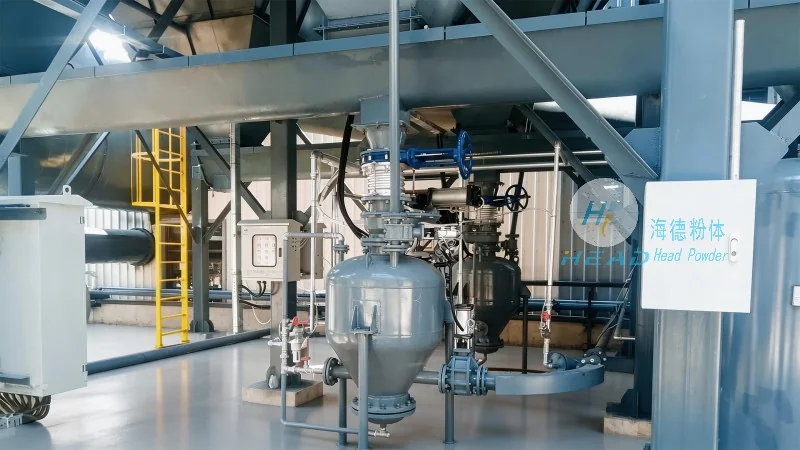
Ensuring Safety and Compliance in Powder Transport
Transporting manganese sulfate requires strict adherence to safety and regulatory standards to protect workers and the environment. The design of the system must incorporate features such as dust suppression, explosion-proof components, and proper ventilation to mitigate risks associated with fine powders. Additionally, the system should be equipped with monitoring and control devices to detect and respond to any abnormalities, such as blockages or overpressure, ensuring the safety of personnel and equipment. Compliance with local and international regulations, including those related to occupational health and environmental protection, is a critical aspect of the design process.
Customization and Optimization for Specific Applications
HeadPowder recognizes that each client’s needs are unique, and therefore, the company offers customized powder transport solutions tailored to specific applications. Whether the goal is to transport manganese sulfate for agricultural use, industrial processing, or research, the design is optimized to meet the client’s requirements. This may involve adjusting the conveying speed, modifying the storage capacity, or integrating additional equipment such as mixers or classifiers to enhance the overall process. The company’s engineering team works closely with clients to understand their operational needs and develop solutions that improve efficiency, reduce costs, and enhance product quality.