

What is Dust and Powder Conveying Equipment? What Are Its Design Principles?
Dust and powder conveying equipment plays a crucial role in various industrial processes, enabling the efficient transportation of bulk materials like powders, granules, and fine particles. These systems are essential for industries ranging from pharmaceuticals and food processing to chemical manufacturing and mining, where the reliable movement of these materials is critical to operational efficiency and product quality. Understanding the fundamentals of such equipment, including its design principles, is vital for selecting the right solution for specific applications.
About Shandong HeadPowder Engineering Co., Ltd.
HeadPowder, the professional manufacturer behind these advanced conveying solutions, is a leading company based in Shandong, China. With a strong commitment to innovation and quality, HeadPowder specializes in the design, development, and production of dust and powder handling equipment. The company’s expertise lies in creating customized solutions tailored to meet the unique demands of different industries, ensuring optimal performance and durability in demanding environments.
Core Components and Working Principles
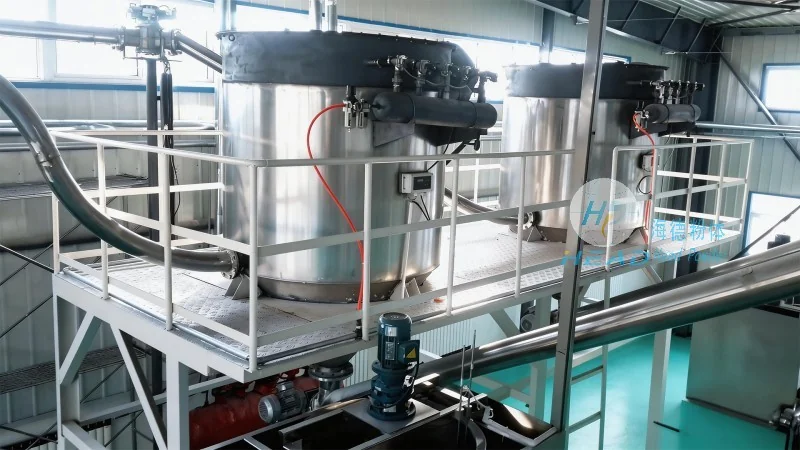
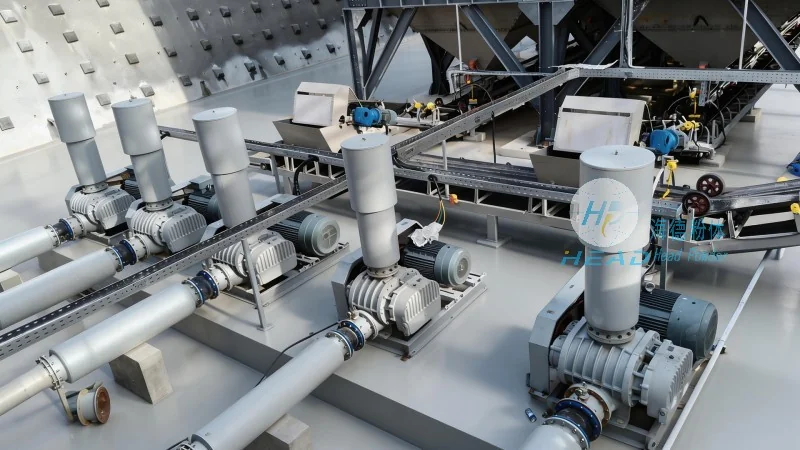
The design of dust and powder conveying equipment typically involves several key components that work in tandem to ensure efficient material transport. A common type is the pneumatic conveying system, which uses compressed air to move powders through a pipeline. This system includes a hopper for material storage, a feeder to control the flow rate, a conveying line, and a receiver for the discharged material. The working principle relies on the creation of a pressure differential, where the air flow propels the powder particles forward. Another design approach involves mechanical systems, such as screw conveyors or belt conveyors, which use mechanical force to move materials. These systems are often preferred for bulkier or more abrasive materials where air-based systems may not be suitable.
Design Principles for Optimal Performance
The design of dust and powder conveying equipment is guided by several key principles to ensure reliability, efficiency, and safety. First, the equipment must be designed to minimize material degradation and caking, which can occur due to friction or moisture. This is achieved through the use of smooth surfaces, appropriate materials of construction, and proper sealing to prevent contamination. Second, the system must be able to handle the specific characteristics of the material, such as particle size, density, and flowability. For example, cohesive powders may require special feeding mechanisms to prevent blockages, while lightweight powders may need higher air velocities to maintain suspension. Third, the design must consider the overall system layout and integration with other process equipment. This includes ensuring that the conveying line is properly sized to avoid pressure losses and that the system can be easily maintained and serviced. Finally, safety is a critical design consideration, with features like explosion-proof designs and dust collection systems to protect operators and the environment.
Applications and Industry Impact
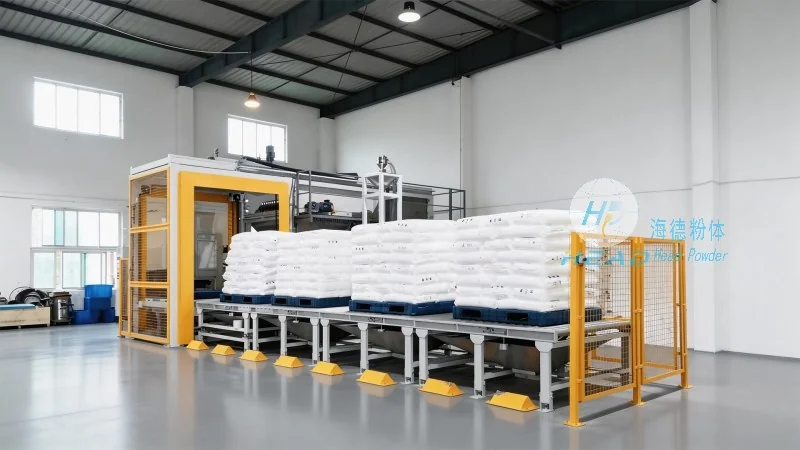
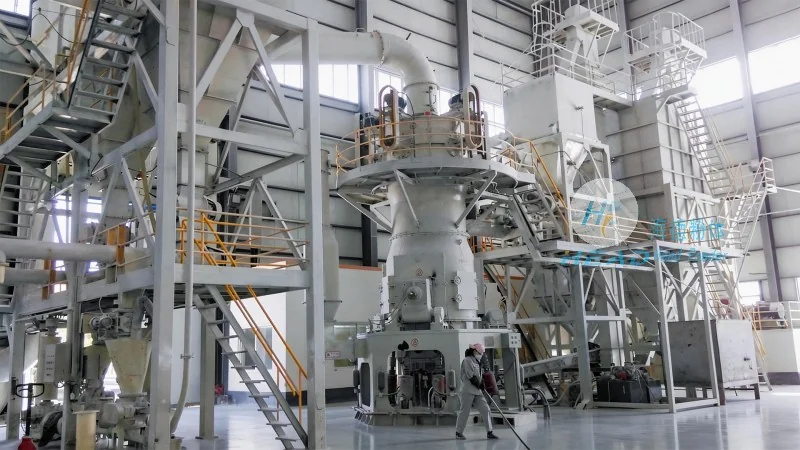
Dust and powder conveying equipment from HeadPowder is widely used across various industries, contributing to improved productivity and reduced operational costs. In the pharmaceutical industry, for example, these systems are used to transport active pharmaceutical ingredients (APIs) and excipients with high precision, ensuring consistent quality and compliance with regulatory standards. In the food processing sector, the equipment is employed to handle powders like flour, sugar, and spices, maintaining hygiene and preventing cross-contamination. The chemical industry utilizes these systems for transporting raw materials and intermediates, while the mining industry relies on them to move ore and minerals from processing plants to storage facilities. By providing reliable and efficient material transport solutions, HeadPowder’s equipment helps businesses enhance their operational efficiency, reduce downtime, and improve overall product quality.