

What is a Fine Chemical Powder Conveying System Equipment? What Are Its Design Principles?
For industries dealing with fine chemicals, efficient and reliable powder handling is crucial. The fine chemical powder conveying system equipment plays a vital role in ensuring smooth material transfer, maintaining product quality, and enhancing operational efficiency. This article explores the core components, design principles, and operational aspects of such systems, providing insights into how they are engineered to meet the demanding requirements of modern chemical processing.
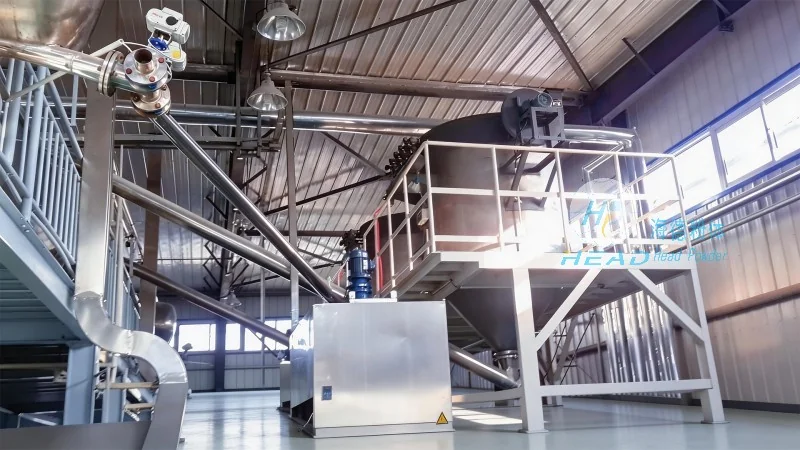
About Shandong HeadPowder Engineering Co., Ltd.
HeadPowder, the professional manufacturer behind these advanced systems, is a leading company in the field of powder processing technology. With a strong commitment to innovation and quality, Shandong HeadPowder Engineering Co., Ltd. specializes in designing and manufacturing customized powder conveying solutions tailored to the unique needs of various industries. The company’s headquarters is located in Shandong, China, where a team of experienced engineers and technicians work tirelessly to develop cutting-edge equipment that addresses the challenges of fine chemical handling.
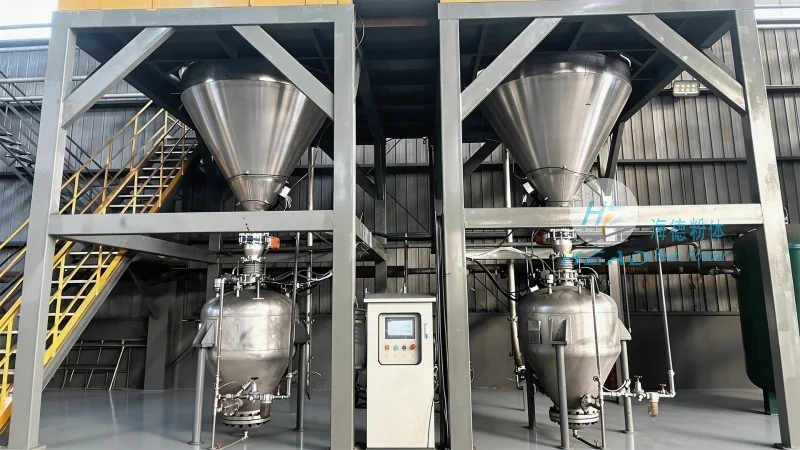
Key Components of Fine Chemical Powder Conveying Systems
The fine chemical powder conveying system typically consists of several key components that work in harmony to achieve efficient material transport. These components include feeders, conveyors, control systems, and dust collection units. Each component is carefully designed to ensure optimal performance and safety. For instance, feeders are responsible for accurately controlling the flow rate of the powder, preventing overloading or underloading that could lead to system inefficiencies. Conveyors, such as pneumatic or mechanical systems, then transport the powder from one location to another. Control systems, often integrated with sensors and automation, monitor the entire process, adjusting parameters in real-time to maintain consistent performance. Dust collection units are essential for maintaining a clean and safe working environment by capturing and filtering airborne particles.
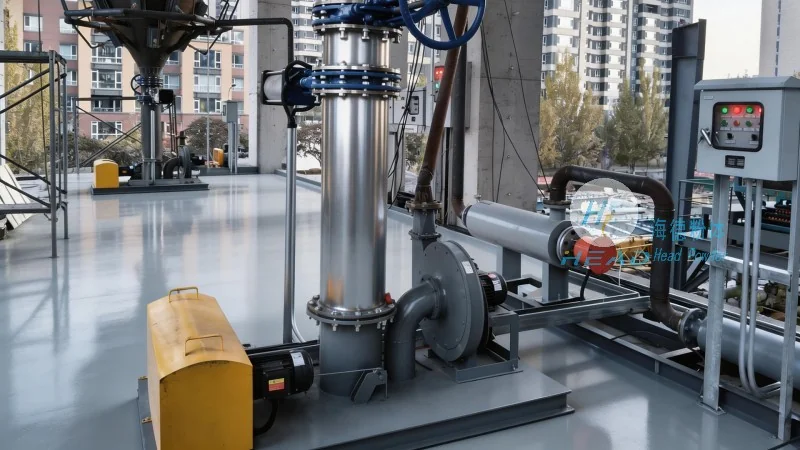
Design Principles of Fine Chemical Powder Conveying Systems
The design of fine chemical powder conveying systems follows several fundamental principles aimed at maximizing efficiency, safety, and product integrity. One of the primary principles is the minimization of material degradation during transport. This is achieved through the use of gentle handling methods, such as pneumatic conveying with low-velocity air or mechanical systems with smooth surfaces. The equipment is also designed to prevent product contamination, which is critical in the fine chemical industry where purity is paramount. Additionally, the systems are engineered to be easy to clean and maintain, ensuring compliance with regulatory standards and reducing downtime. Another key principle is energy efficiency, as the cost of operating these systems can be significant. Advanced designs incorporate energy-saving features, such as variable speed drives and optimized air flow, to reduce energy consumption without compromising performance.
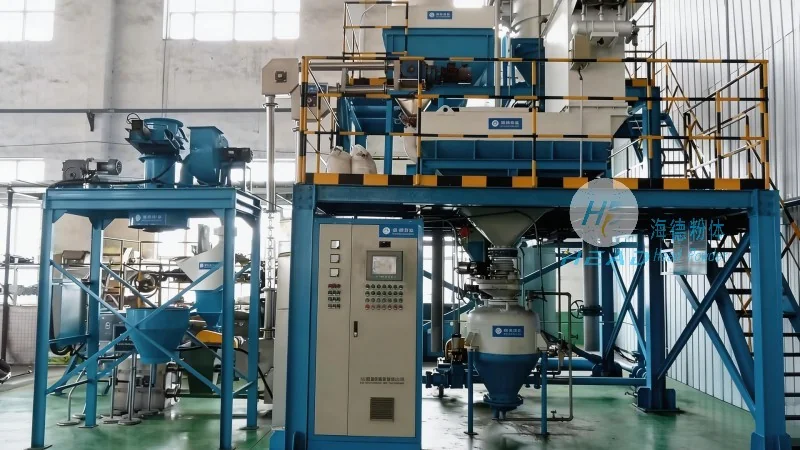
Operational Considerations and Applications
When operating a fine chemical powder conveying system, several factors must be considered to ensure optimal performance. The first is the type of powder being handled, as different materials have varying properties that affect system design. For example, powders with high moisture content or abrasive characteristics may require specialized equipment to prevent wear and tear. The system’s capacity and flow rate must also be matched to the production requirements of the facility. Additionally, the layout of the facility and the distance between processing points are important considerations when selecting the appropriate conveying method. Fine chemical powder conveying systems are widely used in various industries, including pharmaceuticals, food processing, and chemical manufacturing. They are essential for processes such as raw material transport, product packaging, and waste removal, ensuring that operations run smoothly and efficiently.