

What is a Fine Chemical Powder Conveying Machine? What are its Design Principles?
For industries dealing with fine chemicals, the efficient and reliable transportation of powder materials is a critical operational challenge. A fine chemical powder conveying machine, also known as a powder feeder or conveyor system, is specifically engineered to handle the unique properties of these materials, ensuring safe, consistent, and low-dust transfer. This article explores the fundamental aspects of such machines, focusing on their design principles and the key factors that make them suitable for the demanding requirements of the fine chemical sector.
Key Characteristics of Fine Chemical Powder Materials
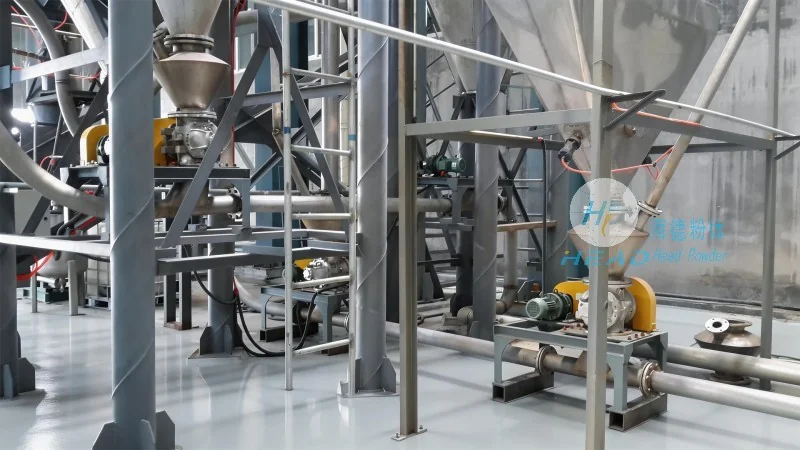
Before delving into the design of conveying machines, it's essential to understand the characteristics of fine chemical powders. These materials often exhibit properties like high moisture sensitivity, hygroscopic nature, or the potential for static electricity, which can complicate handling. Additionally, fine powders are prone to caking, agglomeration, and bridging, all of which can impede flow and cause blockages in traditional conveying systems. The design of a fine chemical powder conveying machine must address these challenges to maintain product integrity and operational efficiency.
Design Principles for Optimal Performance
The design of a fine chemical powder conveying machine is guided by several core principles aimed at ensuring effective material handling while preserving product quality. One of the primary principles is the minimization of material contact with surfaces that could introduce contaminants or cause degradation. This is typically achieved through the use of materials like stainless steel, PTFE, or food-grade plastics for internal components, which are non-reactive and easy to clean. Another critical principle is the reduction of friction and pressure points that could lead to particle degradation or agglomeration. This is often accomplished by employing smooth, rounded internal surfaces and gentle material acceleration, preventing excessive shear forces on the powder.
Conveying Mechanisms and Technologies
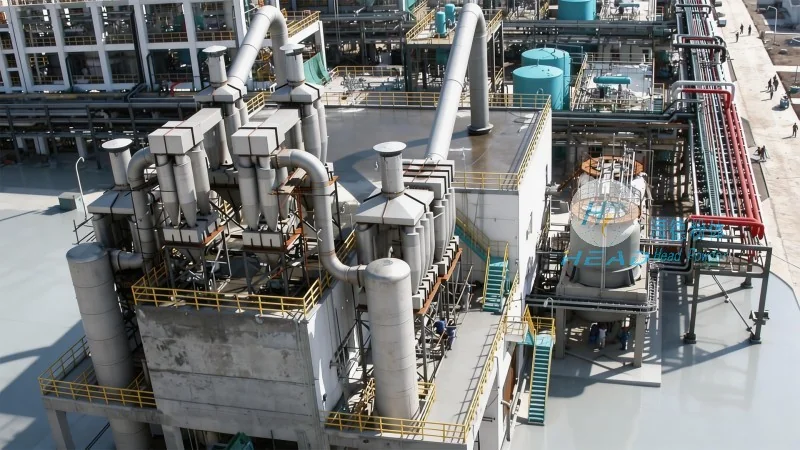
Various conveying mechanisms are employed in fine chemical powder systems, each with its own advantages and applications. Pneumatic conveying systems, which use air to transport powders, are widely used for their ability to handle fine, dusty materials over long distances with minimal equipment. These systems can be classified as pressure or vacuum types, depending on the air pressure used to move the material. Another common method is mechanical conveying, such as screw conveyors or auger feeders, which use rotating screws to push material forward. These mechanical systems are often preferred for their simplicity and reliability, especially in applications where the powder is non-abrasive and the conveying distance is short. For more complex or high-volume applications, combination systems that integrate both pneumatic and mechanical components may be used to optimize performance.
Key Components and Their Functions
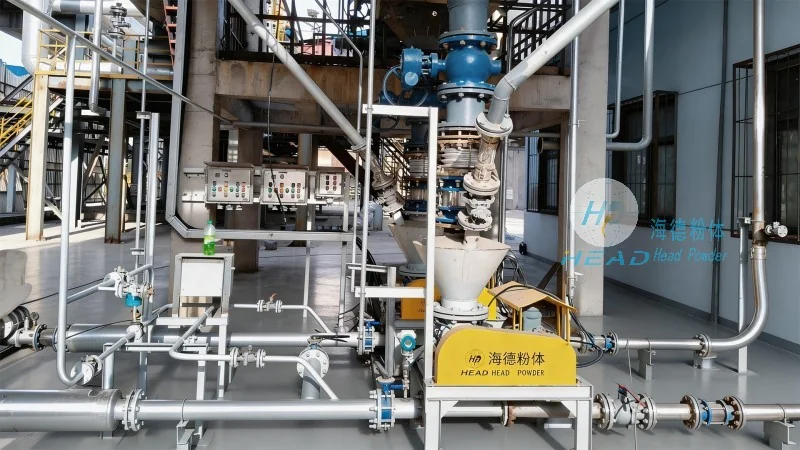
A fine chemical powder conveying machine consists of several key components, each playing a vital role in the overall system. The hopper or feed bin is the initial storage and feeding unit, designed to hold the powder and provide a controlled flow to the conveying mechanism. The feeder, often a rotary valve or a vibratory feeder, regulates the material flow rate, ensuring a consistent and steady supply to the conveyor. The conveyor itself, whether pneumatic or mechanical, transports the powder from the feeder to the discharge point. The discharge unit, such as a rotary valve or a venturi system, controls the release of the material at the end of the conveying line. Finally, the control system manages the operation of all components, monitoring flow rates, pressure, and other parameters to maintain optimal performance and prevent issues like overfilling or underflow.
Applications in the Fine Chemical Industry
Fine chemical powder conveying machines are used in a wide range of applications within the chemical industry. These include the transfer of active pharmaceutical ingredients (APIs), specialty chemicals, pigments, and food additives. In pharmaceutical manufacturing, for example, the machines must meet stringent regulatory requirements for cleanliness and product purity, often requiring sterile or aseptic designs. In the production of specialty chemicals, the machines help maintain product quality by preventing contamination and ensuring consistent dosing. The ability to handle fine powders with minimal dust generation is particularly important in these applications, as it reduces the risk of product loss and environmental contamination.
About Shandong HeadPowder Engineering Co., Ltd.
Shandong HeadPowder Engineering Co., Ltd., a leading manufacturer in the field, specializes in the design and production of high-quality fine chemical powder conveying machines. With years of experience and a commitment to innovation, the company has developed advanced solutions tailored to the unique needs of the fine chemical industry. The company's products are engineered to meet the highest standards of performance, reliability, and safety, ensuring that they can withstand the demanding conditions of industrial applications. HeadPowder's team of experts works closely with clients to understand their specific requirements and provide customized solutions that enhance operational efficiency and product quality. Based in Shandong, China, the company leverages its local expertise and manufacturing capabilities to deliver reliable and cost-effective equipment to customers worldwide.