

What is Slaked Lime Powder Material Handling? And What Are the Design Principles?
Slaked lime powder, also known as calcium hydroxide, is a widely used industrial material in various sectors such as construction, water treatment, and chemical manufacturing. The efficient handling and transportation of this fine powder are crucial for maintaining production efficiency and ensuring product quality. This article explores the material handling of slaked lime powder and delves into the underlying design principles that govern its effective processing.
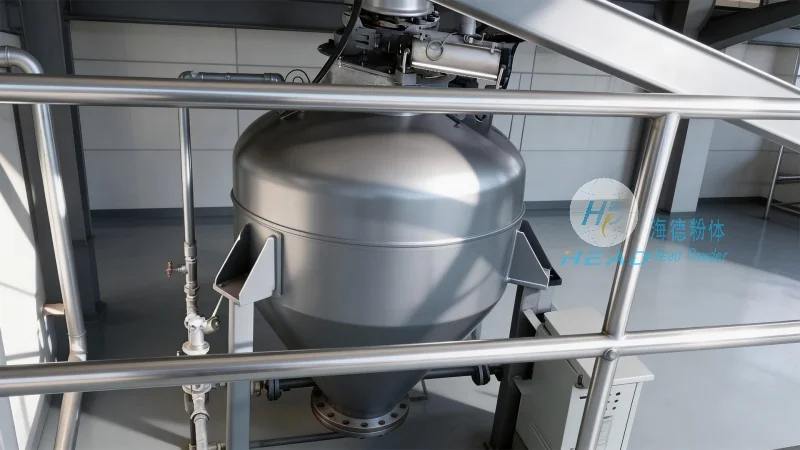
Understanding Slaked Lime Powder Material Handling
Slaked lime powder is a hygroscopic material, meaning it readily absorbs moisture from the air. This characteristic makes its handling more complex compared to other dry powders. Proper material handling systems must account for the powder's tendency to clump, stick to surfaces, and degrade in quality if exposed to moisture or air for extended periods. The primary objectives of slaked lime powder material handling are to ensure the material is transported from storage to processing units without degradation, minimize dust generation, and maintain a consistent flow rate for downstream operations.
Key Design Principles for Slaked Lime Powder Handling Systems
The design of slaked lime powder handling systems involves several critical principles to address the unique properties of the material. First, the system must be designed to minimize exposure to ambient air and moisture. This is typically achieved through the use of sealed storage silos, enclosed conveyor systems, and airtight transfer mechanisms. Second, the equipment used must be capable of handling fine powders without causing excessive friction or pressure that could lead to caking or blockages. High-quality, low-friction components such as stainless steel or special coatings are often employed to prevent material buildup. Third, the system should incorporate effective dust control measures, including dust collection systems and enclosed transfer points, to comply with occupational health and safety regulations and prevent environmental contamination. Fourth, the design must ensure a consistent and controlled flow of material, which is essential for maintaining stable production processes. This may involve the use of feeders, such as rotary valves or vibratory feeders, that can regulate the flow rate accurately.
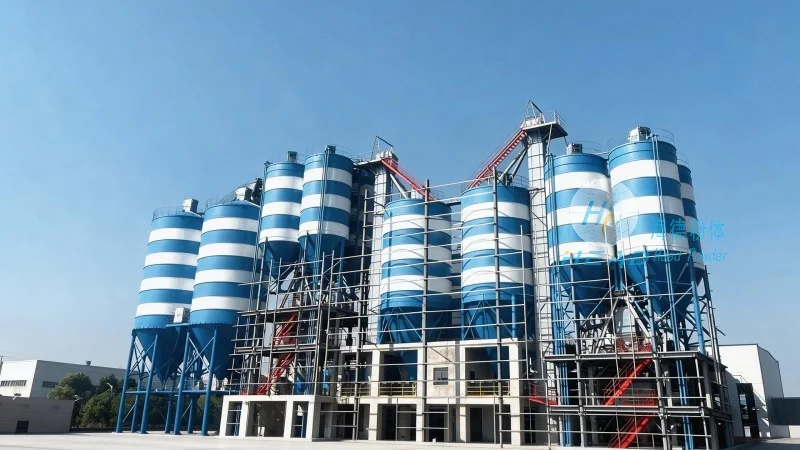
Equipment Selection for Slaked Lime Powder Handling
Several types of equipment are commonly used in slaked lime powder handling systems. Storage silos are typically used to store the material in bulk, with options including vertical or horizontal designs, depending on the available space and storage capacity requirements. The silos are often equipped with agitators or sweepers to prevent material from settling and caking at the bottom. Conveyors, such as belt conveyors or screw conveyors, are used to transport the powder from the storage silos to processing units or packaging areas. Screw conveyors are particularly suitable for handling fine powders as they can provide a smooth, continuous flow without the need for additional power for lifting. For vertical transport, bucket elevators or pneumatic conveying systems may be employed. Pneumatic conveying systems use air pressure to move the powder through pipes, which is effective for long-distance or high-rise transport but requires careful control to prevent pressure surges or material degradation. Transfer points, such as rotary valves or gate valves, are used to control the flow of material from one section of the system to another, ensuring smooth and unobstructed movement.
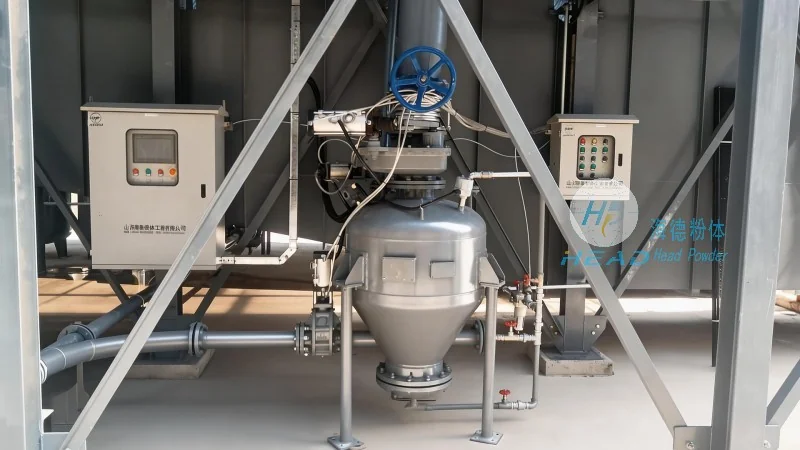
Ensuring Safety and Compliance in Slaked Lime Powder Handling
Handling slaked lime powder involves several safety considerations due to its potential to cause respiratory issues and skin irritation if not handled properly. The design of the handling system must incorporate measures to minimize dust exposure, such as enclosed equipment, local exhaust ventilation, and personal protective equipment (PPE) requirements for operators. Additionally, the system must comply with relevant environmental regulations regarding dust emissions and waste disposal. Regular maintenance and cleaning of the equipment are essential to prevent the buildup of material, which can lead to blockages and safety hazards. The use of explosion-proof components in areas where dust accumulation is likely is also a critical safety consideration, as fine powders can be combustible under certain conditions.
Conclusion
The material handling of slaked lime powder is a specialized process that requires careful consideration of the material's properties and the design principles that govern its efficient and safe processing. By implementing appropriate equipment, maintaining proper control over moisture and dust, and adhering to safety and compliance standards, industries can effectively handle slaked lime powder to meet their production needs while ensuring the well-being of their personnel and the environment. Shandong HeadPowder Engineering Co., Ltd., based in Shandong, China, specializes in the design and implementation of such material handling systems, providing tailored solutions to meet the unique requirements of various industrial applications.