

What is the Negative Electrode Material Granular Material Conveying Equipment? And What Are Its Desi
Granular material conveying equipment for negative electrode materials is a critical component in the lithium-ion battery production process. This equipment is responsible for efficiently transporting negative electrode material powders from storage to processing units, ensuring smooth material flow and maintaining product quality. Understanding the equipment's functionality and underlying design principles is essential for optimizing production efficiency and meeting industry standards.

Key Components and Functional Aspects of the Conveying Equipment
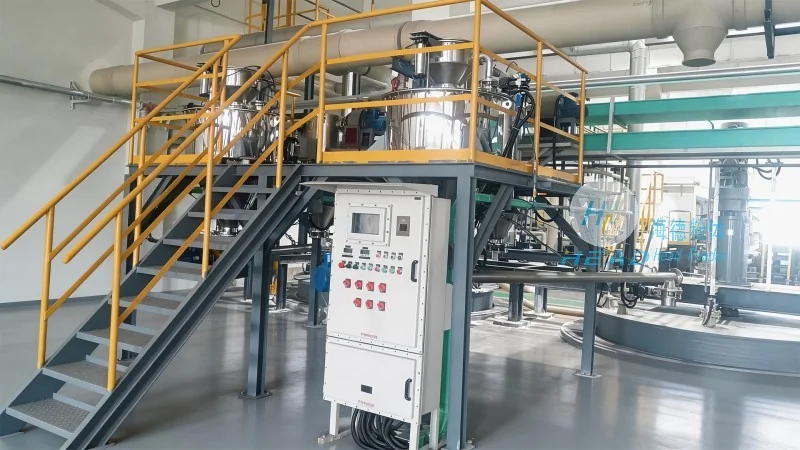
The negative electrode material granular material conveying equipment typically comprises several integrated parts, each serving a specific role in material handling. The primary components include an inlet hopper for bulk material loading, a conveying mechanism (such as screw conveyors, pneumatic systems, or belt conveyors), a control system for operational management, and a discharge outlet for material delivery. The inlet hopper is engineered to accommodate large volumes of material and ensure a consistent feed rate, preventing material buildup or clogging. The conveying mechanism is designed to handle the unique properties of negative electrode powders—like particle size, moisture content, and flowability—minimizing material degradation during transport. The control system allows real-time monitoring and adjustment of parameters like speed, pressure, and flow rate, enhancing operational flexibility and safety. The discharge outlet is configured to direct material precisely to the next processing stage, such as mixing or coating, with minimal loss.
Design Principles Guiding Equipment Development
The design of negative electrode material granular material conveying equipment is driven by several core principles aimed at maximizing efficiency, reliability, and material integrity. One fundamental principle is the minimization of material attrition and degradation. This is achieved through the use of smooth, wear-resistant surfaces in the conveying path and gentle handling mechanisms that avoid excessive friction or impact. For example, low-speed, high-torque screw conveyors are often preferred over high-speed systems to reduce particle breakage. Another key principle is the prevention of material segregation and contamination. The equipment features enclosed or semi-enclosed structures to prevent dust emissions and cross-contamination between batches. Air seals and filtration systems are integrated to maintain a clean environment and comply with environmental regulations. Energy efficiency is also a critical design consideration, as the equipment operates continuously in battery production lines. Engineers optimize motor sizes, transmission systems, and flow rates to reduce energy consumption without compromising performance. Variable frequency drives (VFDs) are commonly used to adjust motor speed based on actual demand, saving energy during low-load periods. Additionally, the design emphasizes ease of maintenance and cleaning. Components are accessible for routine inspections and cleaning, and materials are chosen to resist corrosion and adhesion, ensuring long service life and minimal downtime.
Application in Negative Electrode Material Production
The negative electrode material granular material conveying equipment is widely utilized in the production of lithium cobalt oxide (LCO), lithium iron phosphate (LFP), and other cathode materials. In these processes, the equipment transfers raw materials like graphite, nickel, and cobalt powders from storage silos to mixing and coating lines. The efficiency of the conveying system directly impacts overall production throughput. For instance, in large-scale battery manufacturing plants, the equipment must handle thousands of tons of material annually, requiring high capacity and reliability. The design principles discussed ensure the equipment meets these demands while preserving material quality. The equipment's ability to handle fine powders without clogging or agglomerating is particularly important, as these materials are sensitive to moisture and temperature changes. Proper temperature control and moisture management within the conveying system are integrated to maintain material properties. The equipment also supports batch-to-batch consistency, vital for uniform battery performance. By maintaining stable flow rates and preventing material variation, the conveying equipment contributes to overall quality control.
Advantages of Equipment from Shandong HeadPowder Engineering Co., Ltd.
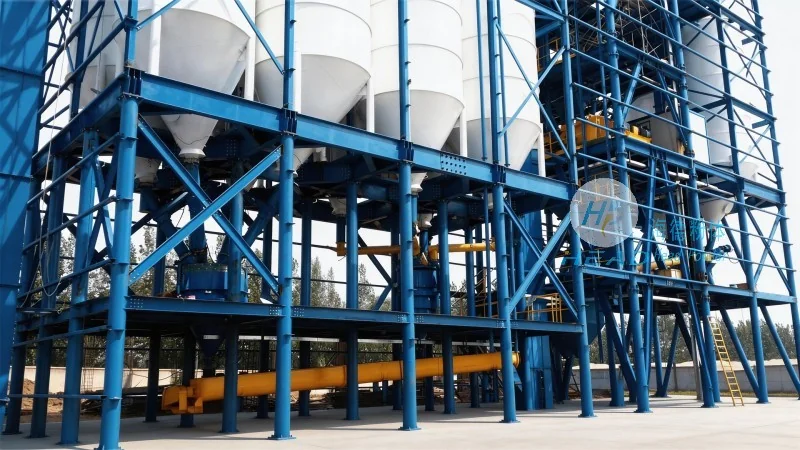
Shandong HeadPowder Engineering Co., Ltd., a leading manufacturer in the battery material handling industry, specializes in designing and producing high-quality granular material conveying equipment tailored to client needs. The company's equipment incorporates advanced design principles and robust construction to ensure optimal performance. For example, their conveying systems use durable, corrosion-resistant materials like stainless steel and special alloys, resistant to the chemical properties of negative electrode powders. The equipment is equipped with intelligent control systems for real-time monitoring and data logging, enabling operators to track material flow and identify issues promptly. This enhances operational efficiency and reduces production delays. The company also offers customized solutions based on specific requirements, including different conveying capacities, material types, and environmental specifications. Their commitment to quality and innovation has made their equipment a trusted choice for many battery manufacturers globally. By adhering to strict manufacturing standards and continuous improvement processes, Shandong HeadPowder Engineering Co., Ltd. ensures their conveying equipment meets the highest industry benchmarks, providing reliable and efficient material handling solutions for negative electrode material production.