

What is a Tailings Material Conveying Line? And What Are Its Design Principles?
Understanding the role and design of tailings material conveying lines is crucial for efficient mining operations. These systems are integral to the transportation of tailings, which are the fine-grained residues left after mineral processing. The design principles behind such lines are tailored to handle the unique characteristics of tailings, ensuring safe, reliable, and cost-effective material transport. This article explores the fundamental aspects of tailings material conveying lines, focusing on their purpose, key components, and the engineering principles that guide their construction.
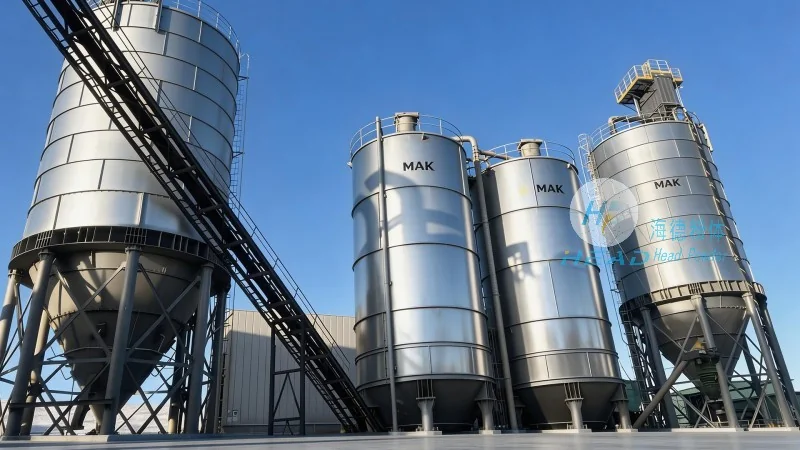
Defining Tailings Material Conveying Lines
A tailings material conveying line, often referred to as a tailings pipeline or conveyor system, is a specialized infrastructure used to transport tailings from mining sites to disposal or storage facilities. Tailings are the byproducts of mineral extraction processes, typically consisting of fine particles that require careful handling due to their abrasive nature and potential environmental impact. The primary goal of these conveying lines is to move large volumes of tailings over long distances with minimal operational disruption and environmental risk. The design of such systems must account for factors like particle size distribution, moisture content, and the potential for clogging or blockage, which can significantly affect system performance.
Key Design Principles for Tailings Conveying Lines
The design of tailings material conveying lines is governed by several critical principles that ensure optimal functionality and durability. First, the system must be capable of handling the high abrasiveness of tailings, which can wear down conventional conveyor components over time. This often leads to the use of specialized materials, such as high-strength steel or wear-resistant coatings, for the conveyor belts, pipes, and other components. Second, the design must address the variable flow rates and particle characteristics of tailings. Tailings can vary in consistency, from slurry to dry powder, and the conveying line must be adaptable to these changes without compromising efficiency. This adaptability is achieved through adjustable pump speeds, variable speed drives, and flexible piping systems that can accommodate different flow conditions.
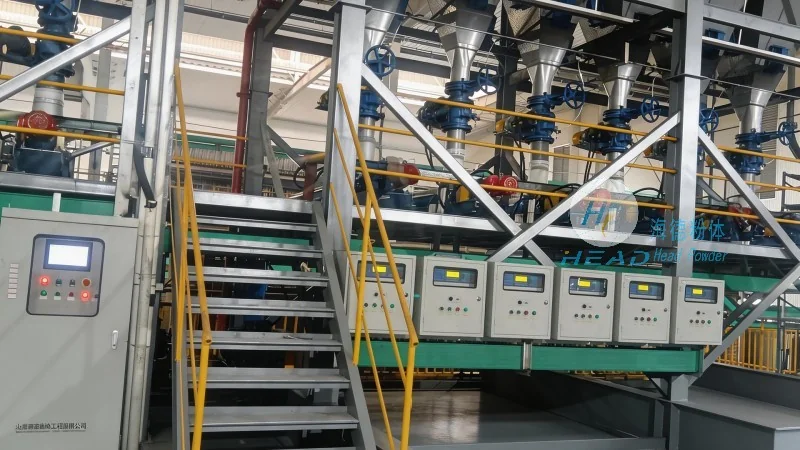
Third, the design emphasizes safety and environmental compliance. Tailings are often toxic or hazardous, and the conveying line must be constructed to prevent leaks or spills that could contaminate water sources or soil. This includes the use of sealed pipelines, regular maintenance schedules, and monitoring systems to detect any potential failures. Additionally, the design must consider the long-term stability of the tailings disposal site, ensuring that the conveying line does not contribute to instability or erosion of the surrounding terrain. The integration of these safety and environmental considerations into the design is essential for sustainable mining operations.
Components and Technologies in Tailings Conveying Systems
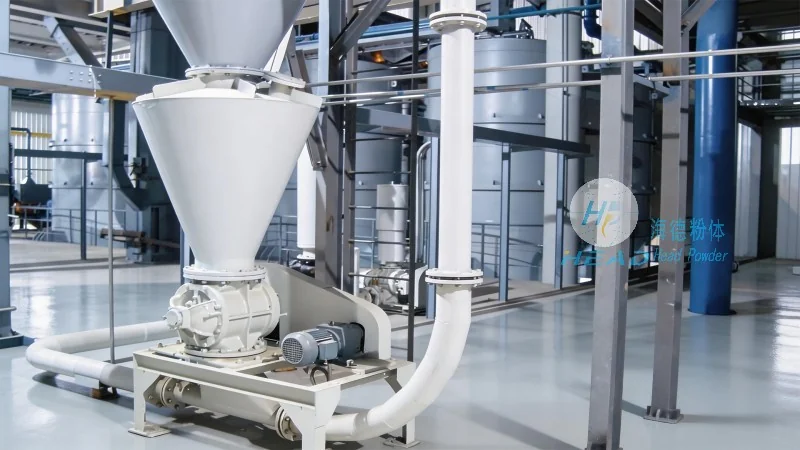
Tailings material conveying lines typically consist of several key components that work together to achieve efficient transport. The primary components include a feeding system, which introduces tailings into the conveying line, often using pumps or feeders. The conveying medium, such as a pipeline or conveyor belt, transports the tailings to the destination. For slurry-based tailings, pipelines are commonly used due to their ability to handle high volumes and abrasive materials. The pipeline system may include bends, valves, and expansion joints to accommodate changes in direction and elevation. At the receiving end, a deposition system, such as a tailings dam or storage basin, collects the tailings. The entire system is often controlled by a central monitoring and control system that tracks flow rates, pressure, and other critical parameters, allowing for real-time adjustments and maintenance.

Advanced technologies have also been integrated into modern tailings conveying lines to enhance performance and reliability. For example, automated control systems use sensors to detect changes in tailings consistency and adjust pump speeds or flow rates accordingly. This ensures consistent operation even when tailings characteristics vary. Additionally, predictive maintenance technologies are employed to identify potential equipment failures before they occur, reducing downtime and maintenance costs. These technologies, combined with robust design principles, contribute to the overall efficiency and longevity of tailings conveying systems.
Applications and Benefits of Tailings Conveying Lines
Tailings material conveying lines are widely used in the mining industry, particularly in the processing of ores such as gold, copper, and iron. The benefits of these systems extend beyond mere transportation; they also contribute to improved operational efficiency and reduced environmental impact. By transporting tailings over long distances without the need for trucks or other vehicles, the system minimizes the carbon footprint associated with mining operations. This is particularly important as the industry moves towards more sustainable practices. Additionally, the controlled deposition of tailings in designated areas helps prevent the spread of contaminants and reduces the risk of environmental degradation.
From a practical standpoint, tailings conveying lines offer significant cost savings compared to traditional transportation methods. The use of pipelines reduces labor costs associated with trucking and allows for continuous operation, which can increase overall productivity. The reduced need for large storage areas at the mine site also frees up space and reduces the risk of accidents related to stockpiling. These benefits make tailings material conveying lines a preferred choice for many mining operations, especially those with large-scale tailings production.
Conclusion
In conclusion, tailings material conveying lines are essential components of modern mining operations, designed to efficiently and safely transport tailings from processing sites to disposal or storage facilities. The design principles behind these systems prioritize durability, adaptability, and environmental safety, ensuring that they can handle the unique challenges of tailings transport. With advancements in technology and materials, these systems continue to evolve, offering improved performance and sustainability for the mining industry. For companies like Shandong HeadPowder Engineering Co., Ltd., based in China, the development and implementation of such systems represent a critical contribution to the efficient and responsible management of mining byproducts.