

What is Soybean Grain Powder Conveying Equipment? What are the Design Principles?
For businesses involved in the processing and handling of soybean grain, efficient and reliable equipment is crucial for maintaining production efficiency and product quality. Soybean grain powder conveying equipment plays a vital role in this process, ensuring that raw materials are transported smoothly from one stage of production to another. This article will explore the fundamental aspects of such equipment, including its design principles and operational features.
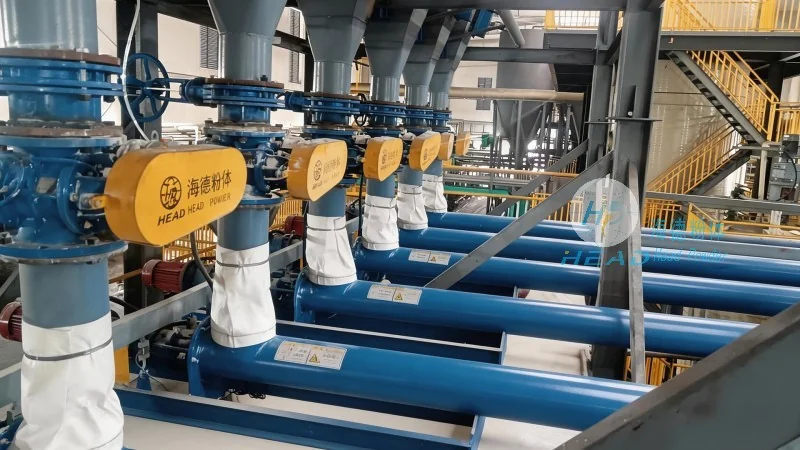
Understanding the Core Components of the Equipment
At the heart of soybean grain powder conveying equipment are several key components that work in tandem to achieve effective material handling. These typically include feed hoppers, conveying mechanisms (such as screw conveyors or pneumatic systems), control panels, and discharge outlets. The feed hopper is designed to hold the soybean grain powder, providing a consistent supply to the conveying system. The conveying mechanism, which can vary based on the specific application, is responsible for transporting the material through the system. Control panels allow operators to monitor and adjust the speed and flow rate, ensuring optimal performance. Discharge outlets are strategically placed to direct the material to the next processing stage.
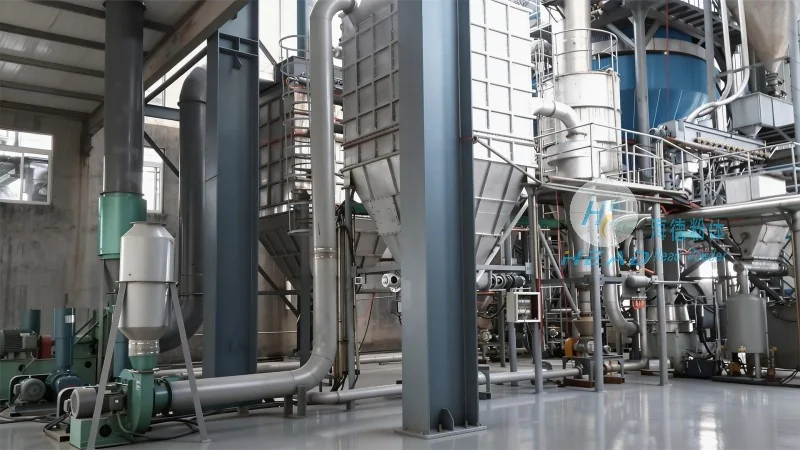
Design Principles Behind the Equipment
The design of soybean grain powder conveying equipment is guided by several critical principles aimed at maximizing efficiency, safety, and durability. One of the primary principles is the minimization of material degradation during transport. This is achieved through the use of smooth, non-stick surfaces and gentle conveying mechanisms that prevent friction and abrasion. Another key principle is the prevention of dust accumulation and air leakage, which are common issues in powder handling systems. The equipment is often constructed with sealed components and proper ventilation systems to maintain a safe working environment. Additionally, the design emphasizes ease of maintenance and cleaning, as soybean grain powder can adhere to surfaces and require regular upkeep. The overall design also considers the specific properties of soybean grain powder, such as its moisture content and particle size, to ensure that the equipment can handle these characteristics effectively.
Operational Considerations and Best Practices
When operating soybean grain powder conveying equipment, several considerations are essential to ensure optimal performance and longevity. First, regular maintenance is crucial. This includes cleaning the hopper and conveying components to prevent clogging and ensure smooth operation. Lubrication of moving parts should be performed according to the manufacturer's guidelines to reduce wear and tear. Monitoring the system for any signs of wear, such as increased noise or reduced efficiency, is also important. Additionally, proper training of operators is necessary to ensure they understand how to use the equipment safely and effectively. Operators should be aware of the safety features, such as emergency stop buttons, and know how to respond to any issues that may arise. Finally, adhering to the recommended operating parameters, such as flow rates and speed settings, will help maintain the equipment's performance and extend its lifespan.
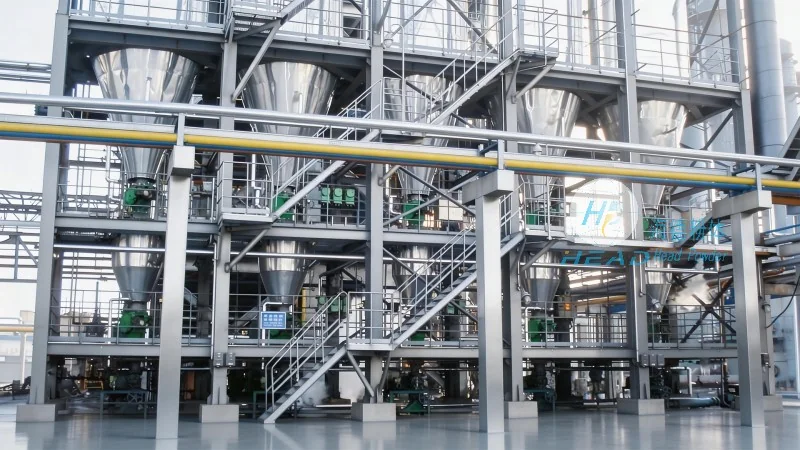
About Shandong HeadPowder Engineering Co., Ltd.
Shandong HeadPowder Engineering Co., Ltd., commonly known as HeadPowder, is a leading manufacturer of specialized equipment for the powder handling industry. With a focus on innovation and quality, the company has established itself as a trusted partner for businesses in the food processing, pharmaceutical, and chemical sectors. HeadPowder's expertise lies in designing and manufacturing equipment that meets the unique needs of each client, ensuring that their products are both efficient and reliable. The company's commitment to customer satisfaction and technical excellence has earned it a strong reputation in the industry. HeadPowder's facilities are located in Shandong, China, where they leverage advanced technology and skilled craftsmanship to produce high-quality equipment that meets international standards.