

What is a Powder Handling System for Explosives? And What Are Its Design Principles?
For companies involved in the production and processing of explosive powders, efficient and safe handling of these materials is paramount. A powder handling system, specifically designed for explosives, plays a critical role in ensuring the smooth operation of production lines while maintaining safety standards. This article explores the concept of a powder handling system for explosives and delves into its fundamental design principles, providing insights into how such systems are engineered to meet industry requirements.
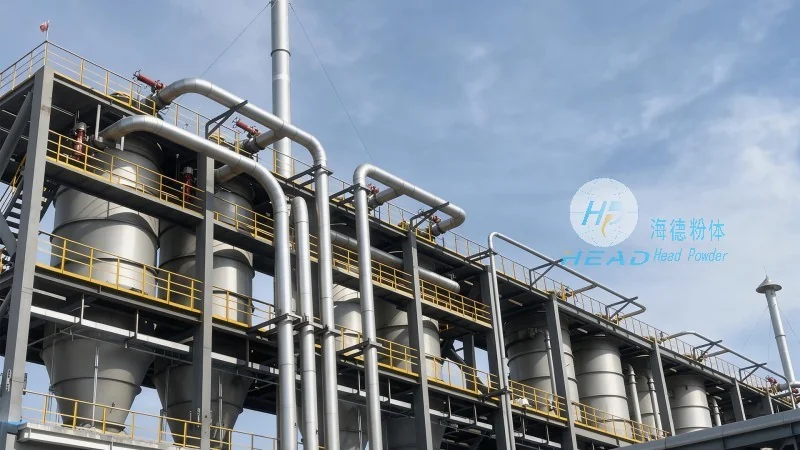
Understanding the Core Components of a Powder Handling System
The powder handling system for explosives typically consists of several key components that work in tandem to facilitate the movement, storage, and processing of explosive powders. These components are meticulously designed to minimize the risk of dust explosions and ensure operational efficiency. The primary components include:
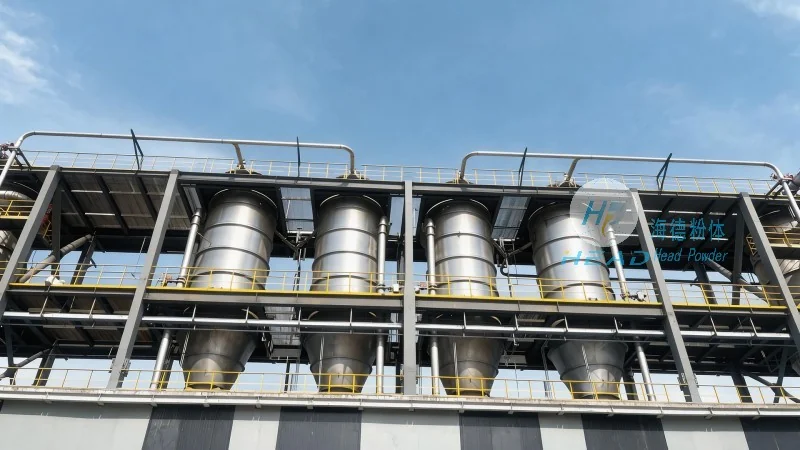
- Pneumatic Conveying Systems: These systems use air pressure to transport powders through pipelines. They are preferred for their ability to handle fine powders without the need for mechanical parts that could cause friction and generate sparks.
- Storage Silos and Hoppers: These are used to store large quantities of explosive powders safely. The design of these containers is crucial, as they must be explosion-proof and capable of withstanding the pressures and temperatures associated with explosive materials.
- Feeding and Metering Equipment: This equipment controls the flow rate of powders from storage to processing units. Accurate metering is essential to maintain consistent product quality and prevent overloading or underloading of processing equipment.
- Filtering and Dust Collection Systems: These systems are vital for maintaining air quality and preventing the accumulation of explosive dust in the workplace. They capture fine particles and return clean air to the environment.
Design Principles for Safe and Efficient Powder Handling
The design of a powder handling system for explosives is guided by several critical principles aimed at safety, efficiency, and compliance with industry regulations. The primary design principles include:
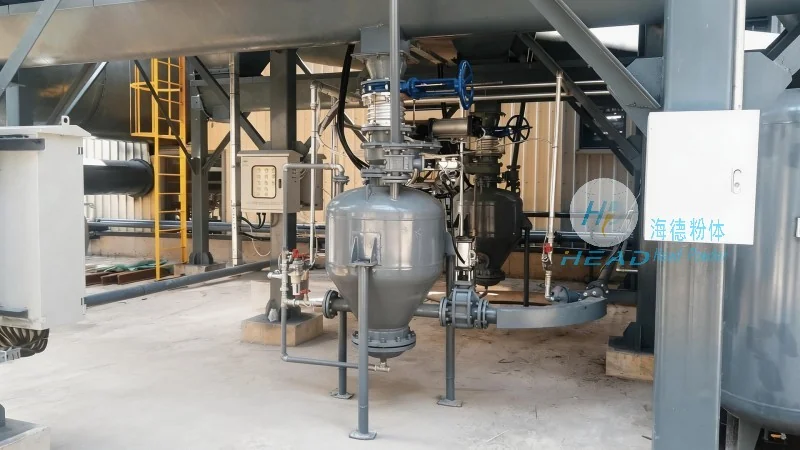
- Explosion Protection: All components of the system must be designed to prevent the ignition of explosive dust. This includes the use of explosion-proof motors, spark-resistant materials, and proper ventilation systems.
- Material Compatibility: The materials used in the construction of the system must be compatible with the explosive powders being handled. This includes resistance to corrosion and chemical reactions that could degrade the materials over time.
- Process Control and Automation: Modern powder handling systems often incorporate advanced control systems to monitor and adjust the flow of powders in real-time. Automation helps reduce human error and ensures consistent performance.
- Accessibility and Maintenance: The design must allow for easy access to components for maintenance and cleaning. Regular maintenance is crucial to prevent the buildup of dust and ensure the system operates at optimal levels.
Key Considerations in System Integration and Operation
When integrating a powder handling system into an existing production facility, several factors must be considered to ensure seamless operation. These include:
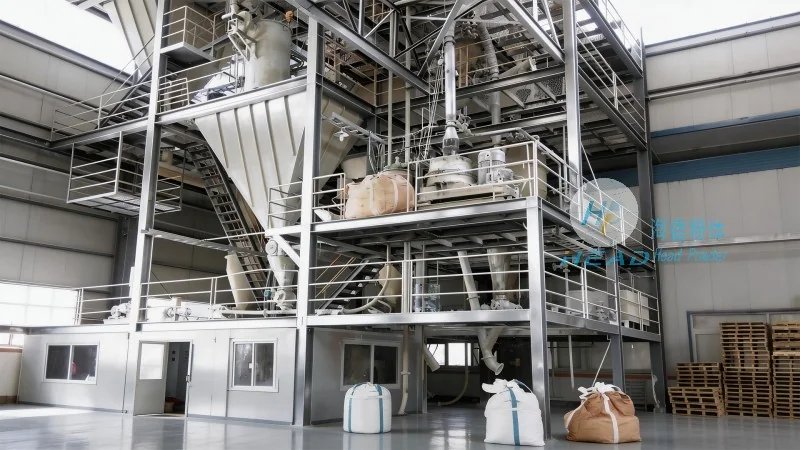
- Space Constraints: The system must be designed to fit within the available space in the production facility, without compromising safety or efficiency.
- Integration with Existing Equipment: The new system must be compatible with existing processing equipment, such as mixers, presses, or extruders, to ensure a smooth workflow.
- Regulatory Compliance: The system must adhere to local and international regulations regarding the handling of explosive materials. This includes standards set by organizations like the National Fire Protection Association (NFPA) and the International Society of Explosives Engineers (ISEE).
- Training and Safety Protocols: Proper training of operators on the safe operation of the system is essential. This includes understanding emergency procedures and maintaining a safe working environment.
Conclusion: The Importance of a Well-Designed Powder Handling System
A powder handling system for explosives is a critical investment for any company involved in the production of these materials. By adhering to the design principles outlined above, companies can ensure the safe and efficient handling of explosive powders, reducing the risk of accidents and maintaining high-quality production standards. The expertise of companies like Shandong HeadPowder Engineering Co., Ltd. is invaluable in designing and implementing such systems, providing tailored solutions that meet the specific needs of each client.