

What is the Potassium Hydroxide Powder Conveying Line? What are the Design Principles?
When it comes to handling potassium hydroxide (KOH) powder in industrial settings, the design and implementation of a specialized conveying line are crucial for ensuring safety, efficiency, and operational reliability. This article explores the concept of a potassium hydroxide powder conveying line, delving into its core components, operational mechanisms, and the underlying design principles that govern its functionality.
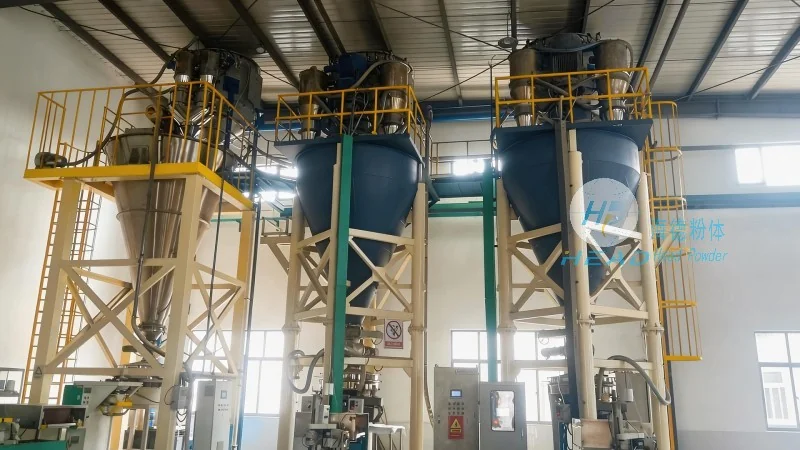
Understanding the Potassium Hydroxide Powder Conveying Line
A potassium hydroxide powder conveying line is a system engineered to transport KOH powder from storage silos or bulk containers to processing units, such as reactors or mixing equipment. This system is essential in industries like chemical manufacturing, where KOH is used as a key raw material in processes like soap production, battery manufacturing, and water treatment. The line typically integrates various components, including feeders, conveyors, and control systems, all designed to handle the unique properties of KOH powder, which can be hygroscopic and reactive under certain conditions.
Key Components of the Conveying Line
The effectiveness of a potassium hydroxide powder conveying line depends on several critical components that work in tandem to ensure smooth material flow. The primary components include:
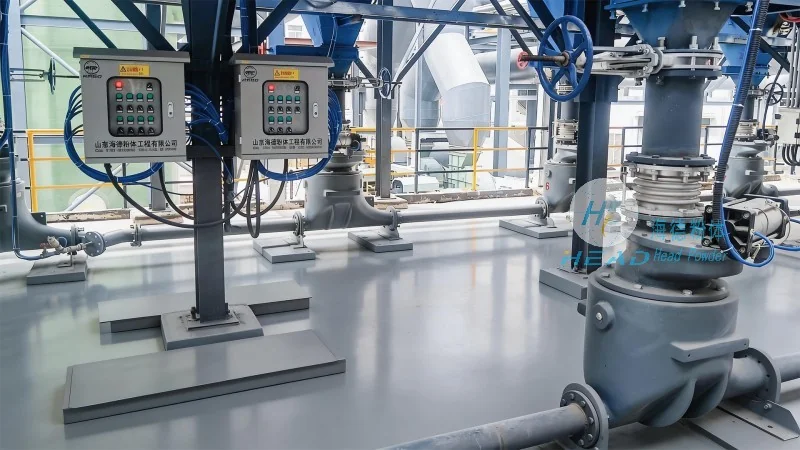
- Feeder: The feeder is responsible for uniformly discharging the KOH powder from the storage silo. Common types include rotary feeders and screw feeders, which are chosen based on the powder's flow characteristics and the required flow rate. The feeder ensures that the material is released at a consistent rate, preventing overloading or underloading of the conveyor.
- Conveyor: The conveyor is the heart of the system, responsible for transporting the KOH powder from the feeder to the processing unit. There are several types of conveyors suitable for powder handling, such as pneumatic conveyors (air-assisted) and mechanical conveyors (like belt or screw conveyors). Pneumatic conveyors are often preferred for KOH powder due to their ability to handle fine powders and minimize dust generation, while mechanical conveyors provide a more direct and energy-efficient solution for bulk material transport.
- Control System: The control system monitors and regulates the operation of the conveying line. It includes sensors to detect the level of material in the silo, flow rates, and pressure in the conveyor system. The system also incorporates safety features, such as emergency shut-off valves and alarms, to prevent accidents and ensure compliance with safety regulations. Modern control systems often use programmable logic controllers (PLCs) and human-machine interfaces (HMIs) to provide real-time monitoring and remote operation capabilities.
Design Principles for Safe and Efficient Operation
The design of a potassium hydroxide powder conveying line must adhere to several key principles to ensure safe and efficient operation. These principles are centered around material handling safety, system reliability, and energy efficiency:
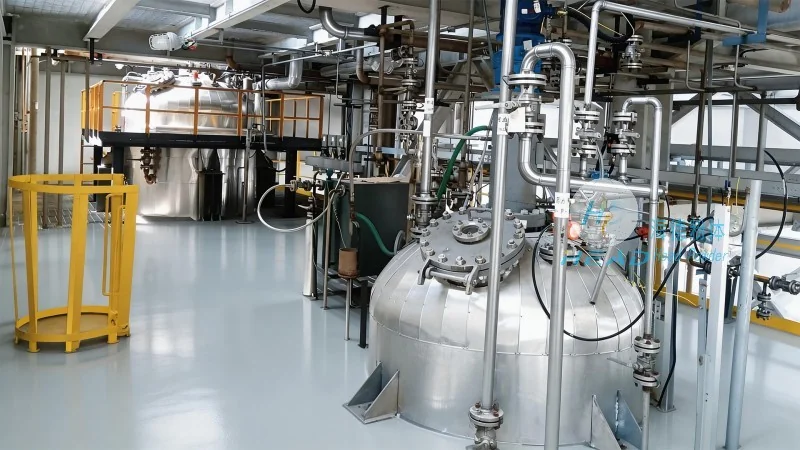
- Material Compatibility: The components of the conveying line must be compatible with KOH powder to prevent corrosion or chemical reactions. Materials like stainless steel, PTFE, and special alloys are commonly used for parts that come into direct contact with the powder. These materials resist the alkaline nature of KOH and prevent contamination of the product.
- Dust Control: KOH powder is hygroscopic and can generate dust, which poses health and safety risks. The design incorporates dust collection systems, such as cyclones or baghouses, to capture and remove airborne particles. Additionally, the use of sealed conveyors and enclosed feeders minimizes dust exposure and ensures a clean working environment.
- Preventing Corrosion: KOH is a strong base and can cause corrosion to metal surfaces over time. The design incorporates corrosion-resistant materials and coatings for all components that come into contact with the powder. Regular maintenance and inspection are also essential to detect and address any signs of corrosion early.
- Energy Efficiency: The conveying line is designed to operate with minimal energy consumption. This is achieved through the selection of efficient conveyor types, such as screw or belt conveyors, and the optimization of system parameters like flow rate and pressure. The control system also helps in reducing energy waste by automatically adjusting the conveyor speed based on the material level and demand.
Operational Considerations and Maintenance
Proper operation and maintenance of the potassium hydroxide powder conveying line are critical to ensure its longevity and performance. Regular maintenance tasks include cleaning the conveyor system to remove accumulated powder, inspecting the feeder and conveyor for wear and tear, and checking the control system for proper functionality. It is also important to monitor the material flow rate and pressure in the system to detect any blockages or inefficiencies early. Training operators on the proper use of the system and safety procedures is essential to prevent accidents and ensure smooth operation.
About Shandong HeadPowder Engineering Co., Ltd.
Shandong HeadPowder Engineering Co., Ltd., a leading manufacturer in the field of powder handling equipment, specializes in designing and manufacturing customized conveying lines for various industrial applications. With years of experience and a commitment to quality, HeadPowder provides reliable solutions for handling potassium hydroxide and other hazardous powders. The company's products are designed to meet international safety standards and are tailored to the specific needs of each client, ensuring optimal performance and safety in industrial settings.