

What is a Malt Spent Grain Powder Conveyor? And What Are Its Design Principles?
For industrial operations dealing with malt spent grain, an efficient and reliable powder conveyor system is essential. This article explores the concept of a malt spent grain powder conveyor, detailing its purpose and the underlying design principles that make it effective in handling this specific material. The information is presented by Shandong HeadPowder Engineering Co., Ltd., a company based in Shandong, China, specializing in engineering solutions for material handling.
What is a Malt Spent Grain Powder Conveyor?
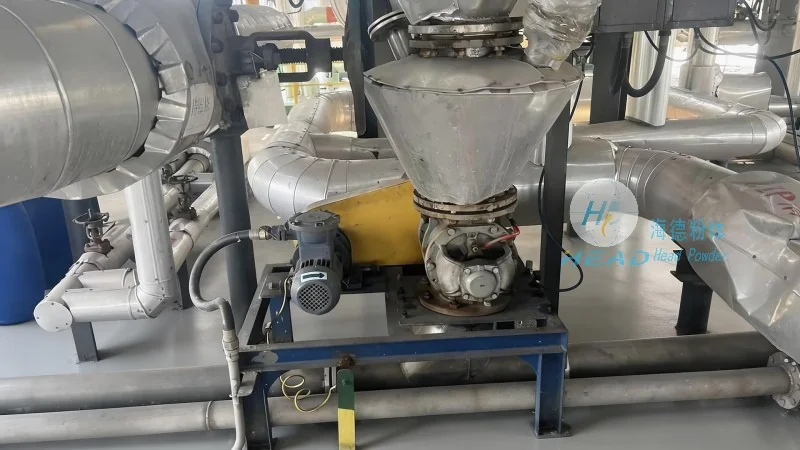
A malt spent grain powder conveyor is a specialized piece of equipment designed to transport malt spent grain from one location to another within a processing facility. Malt spent grain, also known as spent grain or spent malt, is the byproduct of the brewing process, typically consisting of spent barley or other grains that have been used in the production of malt. This material is often dry and powdery, requiring a system that can handle fine particulates without clogging or losing material. The conveyor system is engineered to move this material efficiently, ensuring it can be collected, stored, or further processed without manual intervention.
Key Design Principles of the Conveyor System
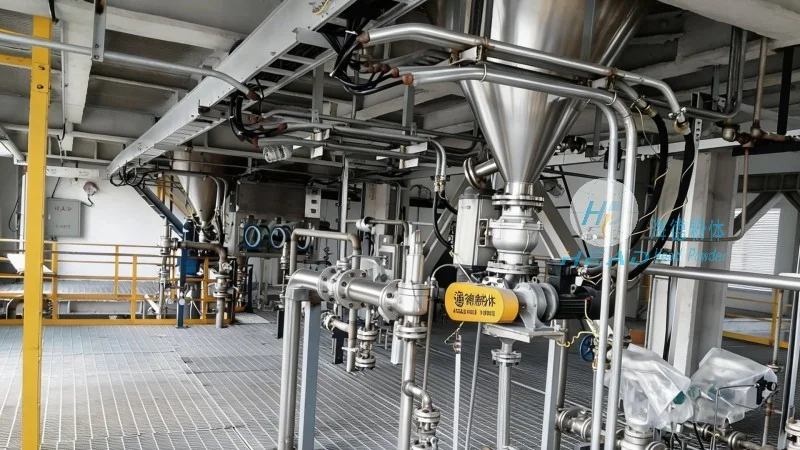
The design of a malt spent grain powder conveyor is centered on several critical principles to ensure optimal performance with malt spent grain. First, the system must be capable of handling fine, dry powders without the risk of blockages or material bridging. This is achieved through the use of specific components such as flexible hoses, rotary valves, or screw conveyors that can accommodate the particulate size and flow characteristics of spent grain. Second, the material handling system must be robust and durable to withstand the abrasive nature of the grain and the potential for moisture or contamination. The construction often involves materials like stainless steel or high-grade polymers that resist wear and corrosion. Third, the design emphasizes energy efficiency and low maintenance. This includes features like variable speed drives, which adjust the conveyor speed based on the material load, reducing energy consumption and wear on components. Additionally, the system is designed for easy cleaning and maintenance, with access points for inspection and cleaning to prevent buildup and ensure long-term reliability.
Components and Functionality
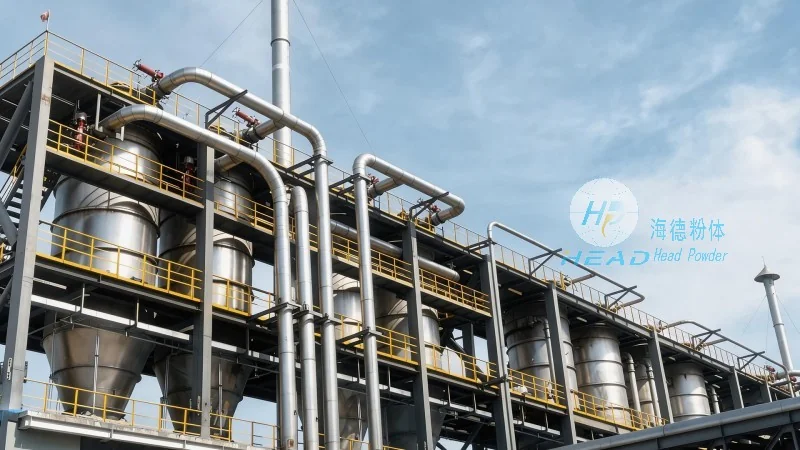
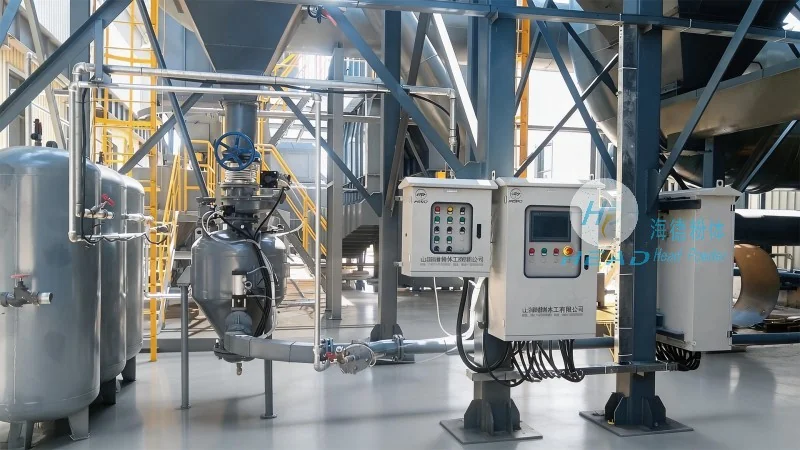
The malt spent grain powder conveyor typically consists of several key components that work together to transport the material. The primary components include a feeding hopper, which collects the spent grain and feeds it into the conveyor system. The hopper is designed with a sloped bottom to facilitate material flow and prevent clogging. Next, the conveyor itself, which can be a screw conveyor, pneumatic conveyor, or a combination of both, depending on the specific application. Screw conveyors are common for vertical or inclined transport, as they can handle dry powders and maintain a consistent flow. Pneumatic conveyors use air pressure to move the material, which is effective for fine powders but requires careful control of air pressure and flow rates to prevent material degradation or loss. The system also includes control valves and sensors that monitor the material flow and adjust the conveyor speed or air pressure as needed. These components work in tandem to ensure the efficient and reliable transport of malt spent grain from the source to the destination, whether it's a storage silo, a processing unit, or a waste disposal area.
Applications and Benefits
The malt spent grain powder conveyor finds applications in various industries, primarily in the brewing and food processing sectors. Its primary benefit is the ability to handle malt spent grain efficiently, reducing the need for manual handling and minimizing the risk of contamination or material loss. By automating the transport process, the system improves operational efficiency and reduces labor costs. Additionally, the design of the conveyor helps maintain the quality of the spent grain, which can be used as animal feed or for other industrial applications. The system's ability to handle fine powders without clogging also ensures that the material is transported in a consistent manner, which is crucial for downstream processing. Overall, the malt spent grain powder conveyor is a critical component in the processing of malt spent grain, providing a reliable and efficient solution for material handling in industrial settings.
Conclusion
In summary, a malt spent grain powder conveyor is a specialized equipment designed to transport malt spent grain efficiently and reliably. The design principles, including the ability to handle fine powders, robust construction, and energy efficiency, make it an essential tool for industrial operations. By understanding the components and functionality of this system, as well as its applications and benefits, businesses can make informed decisions about implementing such a system to improve their material handling processes. Shandong HeadPowder Engineering Co., Ltd., with its expertise in engineering solutions, provides high-quality malt spent grain powder conveyors that meet the specific needs of industrial clients in Shandong, China, and beyond.