

What is a Lithium-Ion Battery Powder Handling System? And What Are Its Design Principles?
The lithium-ion battery industry has seen rapid growth, and with it, the need for efficient and reliable powder handling systems has become increasingly critical. This article explores the concept of a lithium-ion battery powder handling system, its core components, and the underlying design principles that ensure optimal performance and safety in material transport and processing. The discussion will also touch upon the technical aspects that make such systems essential for modern battery manufacturing.
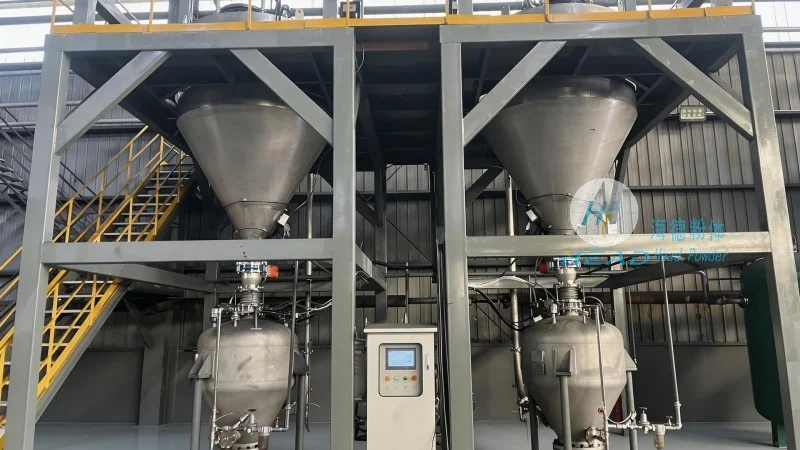
About HeadPowder: A Leading Provider of Powder Handling Solutions
HeadPowder, or Shandong HeadPowder Engineering Co., Ltd., is a reputable company based in Shandong, China, specializing in the design, manufacturing, and integration of advanced powder handling systems. With a strong focus on innovation and customer-centric solutions, HeadPowder has established itself as a key player in the battery materials processing sector. The company's expertise lies in developing customized systems that meet the stringent requirements of lithium-ion battery production, ensuring high efficiency, low maintenance, and adherence to industry safety standards.
Understanding the Lithium-Ion Battery Powder Handling System
A lithium-ion battery powder handling system is a specialized equipment setup designed to handle, transport, and process the various powders used in the production of lithium-ion batteries. These powders typically include cathode materials (such as lithium cobalt oxide, lithium nickel manganese cobalt oxide), anode materials (like graphite), and other additives (e.g., conductive agents, binders). The system is crucial for ensuring that these powders are handled in a controlled environment, minimizing contamination and optimizing the quality of the final battery components.
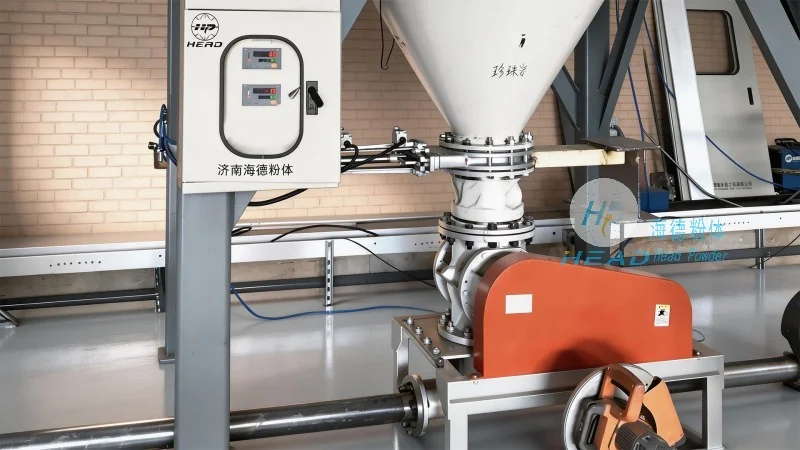
Key Components of a Lithium-Ion Battery Powder Handling System
The lithium-ion battery powder handling system comprises several key components, each playing a vital role in the overall operation. These components include:
- Powder Storage Hoppers: These are large containers used to store the raw powder materials. They are designed with features like aeration and vibration to prevent material bridging and ensure smooth discharge.
- Pneumatic Conveying Systems: This is the core transport mechanism, typically using air pressure to move the powder from the storage hoppers to the processing units. The system can be either positive or negative pressure, depending on the material and process requirements.
- Pneumatic Valves and Control Systems: These components regulate the flow of powder, ensuring precise dosing and preventing backflow or contamination. Advanced control systems allow for real-time monitoring and adjustment of the conveying process.
- Filtering and Dust Collection Systems: To maintain a clean and safe working environment, the system includes filters and dust collection units that capture any airborne particles and return them to the process or dispose of them safely.
- Processing Equipment: This includes mixers, classifiers, and other units that further process the powder to achieve the desired particle size distribution and composition.
Design Principles for Lithium-Ion Battery Powder Handling Systems
The design of a lithium-ion battery powder handling system follows several fundamental principles to ensure efficiency, safety, and reliability. These principles include:
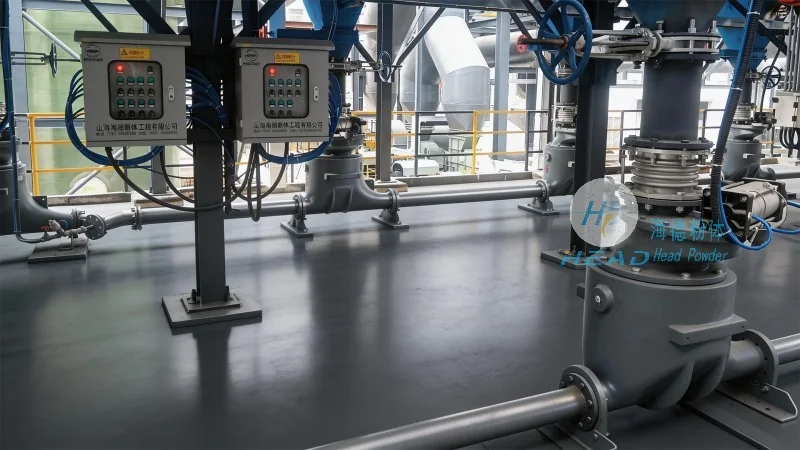
- Aseptic and Contamination Control: Given the sensitivity of battery materials, the system is designed to minimize the risk of contamination from external sources. This includes using sealed hoppers, filtered air, and cleanroom-compatible materials.
- Material Compatibility: The components of the system are selected to be compatible with the specific powders being handled. For example, materials like stainless steel or specialized plastics are used to prevent chemical reactions or material adhesion.
- Energy Efficiency: Modern systems are designed to optimize energy consumption, using efficient air compressors and conveying methods to reduce operational costs.
- Scalability and Flexibility: The system is designed to be scalable, allowing for expansion as production needs grow. It also offers flexibility to handle different types of powders and process configurations.
- Safety and Compliance: The design adheres to international safety standards and regulations, incorporating features like explosion-proof components, emergency shut-off valves, and proper ventilation to protect operators and the environment.
How the System Works: A Step-by-Step Overview
The operation of a lithium-ion battery powder handling system typically involves the following steps:
- Powder Loading: Raw powder materials are loaded into the storage hoppers. The hoppers are equipped with level sensors to monitor the material level and trigger refilling when necessary.
- Conveying: The powder is conveyed from the hoppers to the processing units using the pneumatic system. The flow rate is controlled by the control system to ensure precise dosing.
- Processing: The powder is processed in units like mixers or classifiers to achieve the desired particle size and composition. This step is critical for ensuring the quality of the final battery components.
- Distribution: The processed powder is then distributed to the battery cell manufacturing lines or other downstream processes.
- Dust Management: Any airborne particles are captured by the dust collection system and returned to the process or disposed of safely.
The Importance of a Well-Designed System for Battery Manufacturing
For lithium-ion battery manufacturers, a well-designed powder handling system is not just an accessory but a critical component of the production line. It directly impacts the quality of the final product, as any contamination or inconsistent powder quality can lead to battery performance issues or even safety hazards. Additionally, an efficient system reduces production downtime, lowers operational costs, and enhances overall productivity. By investing in a high-quality powder handling system, manufacturers can ensure consistent product quality, improve operational efficiency, and maintain a competitive edge in the market.